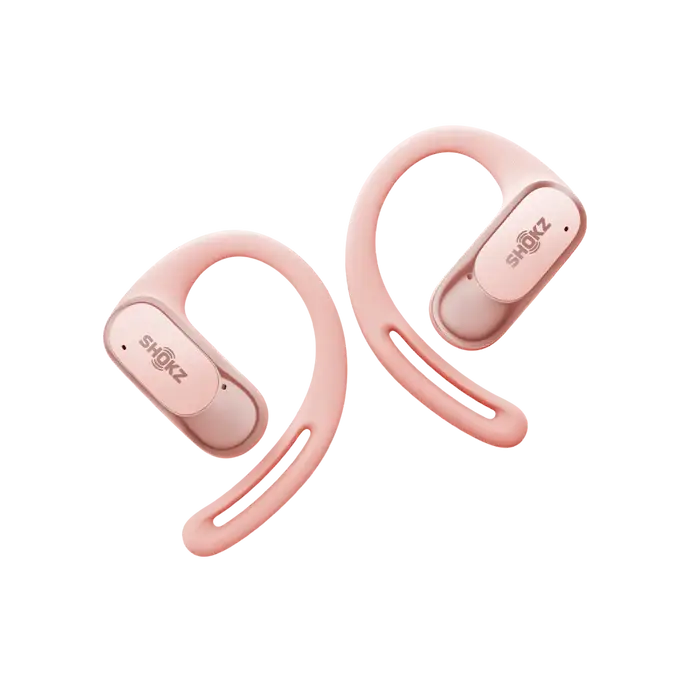
Open-Ear Headphones for Tinnitus Sound Therapy: Shokz and the App Approach
Dedicated tinnitus sound therapy devices work, but they are expensive, single-purpose, and not always practical for everyone. There is a more accessible approach that accomplishes the same goal: open-ear headphones that stream tinnitus therapy sounds from an app, leaving the ear canal completely unobstructed.
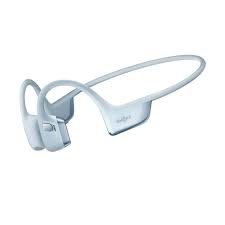
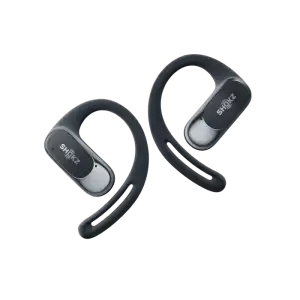
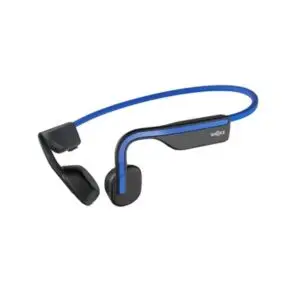
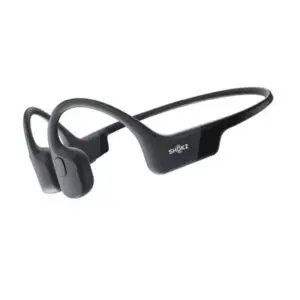
At Hears Hearing & Hearables, we carry Shokz open-ear headphones, the OpenFit Air and OpenFit 2, which pair with a range of tinnitus therapy apps to deliver white noise, fractal tones, nature sounds, and other therapeutic audio without anything sitting in or blocking the ear canal. This post explains how the approach works, which apps pair well with it, and who is a good candidate.
Why Open-Ear Matters for Tinnitus
Most tinnitus therapy approaches that use sound work best when the ear canal stays open. Here is why:
- The occlusion effect: when something blocks the ear canal, an earplug, an in-ear earbud, an in-ear hearing aid, it amplifies internal sounds, including the patient’s own voice, chewing, jaw movements, and in some cases tinnitus itself. For tinnitus patients, this can be counterproductive.
- Extended wear: tinnitus sound therapy is most effective with six to eight or more hours of daily use. In-ear devices that occlude the canal become uncomfortable over extended wear. Open-ear devices do not.
- Natural hearing preserved: open-ear designs allow environmental sound to enter normally. The therapy sound adds to the acoustic environment rather than replacing it. This is what sound therapy is supposed to do, add sound, not block the world.
Sound therapy for tinnitus works by reducing the contrast between the tinnitus signal and the surrounding acoustic environment. An open-ear device that streams therapy audio while allowing normal environmental hearing achieves exactly this: the ear canal stays unoccluded, and the therapy sound mixes naturally with the world around you.
Shokz OpenFit Air and OpenFit 2: What You Need to Know
Shokz OpenFit Air
The OpenFit Air uses Shokz DirectPitch technology; an open-ear air conduction design that delivers sound without the ear canal being blocked. The driver sits just outside the ear canal opening. The ear canal itself stays completely open.
- Battery life: up to 8 hours continuous use on a single charge — sufficient for a full day or overnight use.
- Water resistance: IP55 sweat and water resistant. Practical for active use.
- Bluetooth:1 for stable, seamless wireless connection to smartphones and tablets.
- Weight: ultra-lightweight for extended wear comfort.
Shokz OpenFit 2
The OpenFit 2 is the more advanced model, with the same open-ear design and improved specifications:
- Battery life: up to 48 hours total with the charging case, significantly more than the OpenFit Air, making it practical for patients who want extended multi-day use without daily charging.
- Bluetooth:4 with noise-cancelling microphones for clearer phone calls.
- Water resistance: IP55 sweat and water resistant.
- Ideal for: patients with small ears, ear drainage, recurring ear infections, or anyone who finds in-ear devices uncomfortable. The flexible dolphin-bend earhook adapts to ear shape without pressure.
Tinnitus Therapy Apps to Stream Through Open-Ear Headphones
The headphone is the delivery mechanism. The therapy content comes from the app. Here are the best options:
Hearing Aid Brand Apps: For Hearing Aid Owners
If you wear hearing aids, the apps that come with your devices often include dedicated tinnitus sound therapy programs. These can also be streamed through Bluetooth headphones separately:
- Widex Moment app: includes Widex Zen fractal tones and SoundRelax programs. Fractal tones are mathematically generated tonal sequences with strong clinical research support. Multiple tone styles available.
- ReSound Smart 3D app: includes tinnitus sound therapy programs including ocean wave modulated noise. Customizable within the app.
- My Starkey app: tinnitus management programs available through the app for Starkey hearing aid users.
- myPhonak app: Tinnitus Balance programs, white noise, pink noise, ocean waves, and customizable options.
These hearing aid brand apps are designed for use with their respective hearing aids, but the sound therapy content can be streamed via Bluetooth to any paired device, including Shokz open-ear headphones. This means patients who wear hearing aids during the day can extend tinnitus sound therapy overnight or during downtime using the same app through their Shokz headphones.
Standalone Tinnitus and Sound Therapy Apps
For patients without hearing aids, or anyone who wants dedicated tinnitus therapy content:
- ReSound Relief: a standalone tinnitus sound therapy app from ReSound, available to anyone regardless of hearing aids. Includes white noise, nature sounds, and a mixing feature. Free download.
- Starkey Relax app: a standalone tinnitus relief app from Starkey with nature sounds and masking audio. Free download.
- White noise and nature sound apps: numerous general-purpose apps, including White Noise Lite, Rain Rain, Calm, and others, provide suitable tinnitus therapy content. Search app stores for white noise, tinnitus relief, or sleep sounds.
- Widex SoundRelax: Widex’s tinnitus and relaxation app available through the Widex hearing aid ecosystem.
The Approach: How to Use Open-Ear Headphones for Tinnitus
- Pair your Shokz headphones to your smartphone via Bluetooth
- Download your chosen tinnitus or sound therapy app
- Set the sound at a comfortable level, just audible above the tinnitus, not masking it completely
- Wear consistently, six to eight hours daily, is the recommended minimum for habituation benefit over time
- Use at night if tinnitus is most distressing during sleep, the open-ear design is comfortable for side sleeping, unlike most in-ear options
The goal is mixing, not masking. The therapy sound should add to the acoustic environment rather than drowning out the tinnitus entirely. Sound therapy that competes with the tinnitus at a level just below complete masking is the approach most consistently supported by habituation research.
Who This Approach Suits Best
- Patients without hearing aids who want accessible, affordable tinnitus sound therapy without purchasing a dedicated medical device.
- Patients who find in-ear devices uncomfortable: the Shokz open-ear design eliminates the occlusion and irritation that limits compliance with in-ear sound generators.
- Hearing aid wearers who want overnight therapy: extending daytime hearing aid app therapy into nighttime use through Shokz headphones.
- Patients with ear drainage, infections, or sensitivity: the open canal design avoids contact with the ear canal entirely.
- Active lifestyle patients: sweat-resistant, lightweight, practical for wear during exercise and daily activity.
What This Approach Is Not
- Not a medical device: Shokz headphones are consumer audio products, not medically classified tinnitus devices. The therapy comes from the app content and consistent use habits, not from the hardware itself.
- Not a substitute for hearing aids: if you have hearing loss, hearing aids address the auditory deprivation component of tinnitus in ways headphones cannot. The open-ear headphone approach is a supplement or an option for patients who are not hearing aid candidates.
- Not a standalone cure: sound therapy alone is most effective when combined with counseling that addresses the attentional and emotional response to tinnitus. Consider combining with the CBT program for a more complete approach.
Not sure whether open-ear headphones, hearing aids with tinnitus programs, the Oto CBT program, or a combination is the right fit for your tinnitus? Contact Hears Hearing & Hearables. We carry the Shokz lineup and can discuss the full range of tinnitus management options for your specific situation.
Frequently Asked Questions: Open-Ear Headphones and Tinnitus
Can open-ear headphones help with tinnitus?
Yes, as a delivery mechanism for tinnitus sound therapy. Open-ear headphones stream white noise, nature sounds, fractal tones, or other therapeutic audio from a smartphone app while leaving the ear canal completely unobstructed. This allows extended wear without the occlusion effect that can worsen tinnitus, and delivers the same sound therapy content that dedicated tinnitus devices use, at a significantly lower cost.
What is the difference between the Shokz OpenFit Air and OpenFit 2?
Both use open-ear designs that leave the ear canal unblocked, making both suitable for tinnitus sound therapy use. The OpenFit 2 has significantly longer battery life — up to 48 hours total with the case versus 8 hours for the OpenFit Air, better Bluetooth (5.4 vs 5.1), and noise-cancelling microphones. For patients who want multi-day use without daily charging, the OpenFit 2 is the better choice. For a lighter, simpler option with sufficient daily battery life, the OpenFit Air works well.
Which tinnitus apps work best with Shokz headphones?
Any Bluetooth audio app works with Shokz headphones. For tinnitus specifically: ReSound Relief (free, standalone, nature sounds and white noise), Starkey Relax (free, standalone), a CBT program (provider-guided, structured habituation), and general white noise apps. If you wear Widex, ReSound, Phonak, or Starkey hearing aids, your hearing aid brand’s app tinnitus programs can also be streamed through Shokz for overnight or supplemental use.
Can I wear Shokz headphones while sleeping?
The OpenFit 2 and OpenFit Air both have open-ear designs comfortable enough for extended wear, including sleep, for many users. The earhook style means they do not protrude into the ear canal or create pressure. Some users find them comfortable for side sleeping; others prefer to use them when falling asleep and remove them once asleep. This is one of the practical advantages over in-ear sound generators for overnight tinnitus therapy.
Should I get hearing aids or open-ear headphones for tinnitus?
If you have hearing loss, hearing aids are the better primary tinnitus intervention; they address the auditory deprivation that contributes to phantom sound generation and include dedicated tinnitus programs such as Signia Notch Therapy and Widex Zen. Open-ear headphones are a practical supplement for extended or overnight use, or a primary sound therapy option for patients with normal hearing. Many patients benefit from both. Contact Hears Hearing & Hearables to discuss which combination is appropriate for your hearing profile and tinnitus presentation.