Cognitive Behavioral Therapy: The Strongest Evidence
CBT is a structured psychological skills program that addresses the unhelpful thoughts and behavioral patterns that amplify tinnitus distress. It does not try to eliminate the tinnitus sound. It changes how the brain responds to it.
- What it addresses: catastrophic thinking about tinnitus, constant monitoring and avoidance behaviors, fear responses, sleep disruption, and the attentional amplification that makes tinnitus louder in perception than it needs to be.
- Delivery: individual, group, or internet-based. Structured sessions over eight to twelve weeks. Internet-based CBT has been validated in ten randomized controlled trials across Europe and the US.
- Goal: habituation, reaching a point where tinnitus is present but no longer distressing, intrusive, or disruptive.
What the Research Shows
- Cochrane Review (2020, 28 RCTs, approximately 2,700 participants): CBT reduces the negative impact of tinnitus at the end of treatment versus no treatment, usual audiological care, TRT, and other active controls. Long-term durability beyond six to twelve months needs more study. Adverse effects are rare.
- American Academy of Family Physicians guideline (2021): CBT is described as the only treatment shown to improve quality of life for tinnitus.
- Beukes et al. (Journal of Medical Internet Research, 2022): Internet-based audiologist-guided CBT in a US population produced significantly greater improvement in tinnitus distress compared to weekly monitoring, with benefits maintained at two-month follow-up. First US-based RCT after nine European trials.
Tinnitus Retraining Therapy: Counseling Plus Sound
TRT combines two components: directive counseling based on the Jastreboff neurophysiological model of tinnitus, and sound therapy using low-level broadband sound generators or hearing aids. The counseling explains tinnitus mechanisms and reframes the sound as non-threatening. The sound therapy creates a low-level acoustic environment to facilitate habituation, reducing the silence-to-tinnitus contrast over time.
- What it addresses: the meaning and threat value assigned to tinnitus, and the silence that makes tinnitus more prominent.
- Duration: twelve to twenty-four months of structured treatment with regular follow-up sessions.
- Sound level: TRT uses sound at the mixing point, just below the tinnitus level, not masking it completely. The goal is to reduce contrast without hiding the tinnitus entirely, which proponents argue is necessary for habituation.
What the Research Shows
- JAMA Otolaryngology RCT (2019, n=151, 18-month follow-up): Full TRT, partial TRT (one component only), and standard-of-care counseling all produced meaningful reductions in tinnitus questionnaire scores. No statistically significant differences were found between groups.
- Cochrane Review (2018) on sound therapy devices: Across RCTs of hearing aids, sound generators, and combination devices, no clear superiority over controls or between device types. Many participants improved. Evidence quality rated low.
- Practical implication: TRT is a reasonable, safe approach. People improve with it. The evidence does not currently support it being superior to high-quality counseling alone. If you have access to an experienced TRT provider, it remains a legitimate option, but CBT has a stronger evidence base for tinnitus distress reduction.
Sound Therapy Alone: Relief Without a Complete Treatment
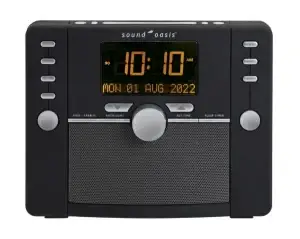
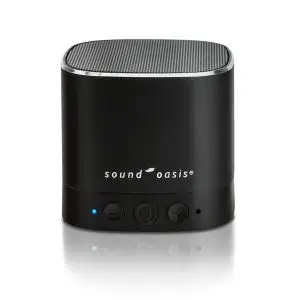
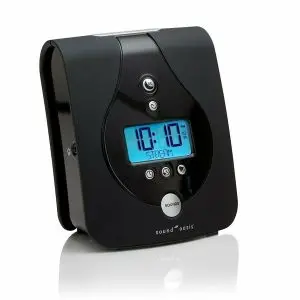
Sound therapy in isolation, white noise machines, hearing aid noise programs, apps, fans, music, reduce the contrast between tinnitus and silence and provides immediate relief for many people. It is not CBT or TRT and does not constitute a complete treatment program on its own.
- What it does: reduces the acoustic prominence of tinnitus by raising the background acoustic level. Makes tinnitus less noticeable during use.
- What it does not do: address the attentional, emotional, or cognitive components of tinnitus distress. Benefits typically stop when the sound stops.
- Best use: as a support tool alongside counseling, hearing aids, or a structured therapy program, particularly for sleep and concentration.
Hearing Aid-Based Tinnitus Programs
Modern hearing aids from major brands include dedicated tinnitus programs that combine amplification benefit with structured sound therapy:
- Signia Notch Therapy: targets tonal tinnitus inaudibly by filtering the amplification signal at the tinnitus frequency. Neurologically targeted.
- Widex Zen fractal tones: mathematically generated tonal sequences that prevent habituation to the therapy sound itself. Research-backed across multiple clinical trials.
- Phonak Tinnitus Balance: four broadband sound therapy options via myPhonak app.
- ReSound, Starkey, Oticon: all include sound therapy programs, broadband noise and ocean wave variations across current platforms.
Open-Ear Headphones With Tinnitus Apps
An accessible alternative to dedicated tinnitus devices: Shokz open-ear headphones stream white noise, nature sounds, or fractal tones from a tinnitus app while leaving the ear canal completely unblocked. The open-ear design prevents the occlusion effect, allows comfortable extended wear including overnight, and works with free apps including ReSound Relief and Starkey Relax as well as structured programs like Oto.
- Shokz OpenFit Air: up to 8 hours battery, IP55 water resistant, ultra-lightweight.
- Shokz OpenFit 2: up to 48 hours total with case, Bluetooth 5.4, ideal for multi-day use without daily charging.
Trihear Liber Assisted Listening Device: comes with a remote microphone, Bluetooth 5.3, offering hearing assistance.
Shop Shokz open-ear headphones. Learn more about this approach
Practical Guidance: Choosing an Approach
- If distress, anxiety, or sleep disruption is primary: start with CBT. Strongest evidence for improving the quality of life. Available in-person, group, or internet-delivered through telehealth.
- If hearing loss is present: hearing aids address the auditory deprivation component that contributes to tinnitus. Sound therapy programs built into hearing aids provide ongoing acoustic support.
- If tinnitus is tonal with an identifiable pitch: Signia Notch Therapy is worth discussing with your audiologist, inaudible, passive, and neurologically targeted.
- If noise therapy is fatiguing: Widex Zen fractal tones offer a pleasant tonal alternative that avoids the fatigue some patients experience with broadband noise.
- If you prefer structured habituation with steady sound: TRT is a reasonable option with experienced providers. Set expectations that current evidence shows similar outcomes to high-quality counseling.
Hears Hearing & Hearables and our Hears to U clinic in Hopkins, Minnesota offer tinnitus-focused audiological assessment and can discuss which treatment pathway fits your specific presentation. Contact us to start the conversation.
Frequently Asked Questions: Tinnitus Therapy
Is CBT or TRT better for tinnitus?
CBT has a stronger evidence base. A Cochrane Review of 28 randomized controlled trials found CBT consistently reduces tinnitus distress compared to no treatment, standard care, TRT, and other active controls. The largest RCT comparing full TRT, partial TRT, and standard counseling found no significant differences between groups; all improved. CBT is endorsed by clinical guidelines as the treatment with the most consistent evidence for tinnitus quality-of-life improvement.
Does sound therapy cure tinnitus?
No. Sound therapy reduces the acoustic contrast between tinnitus and the background, making tinnitus less prominent during use. It does not address the attentional, emotional, or cognitive components of tinnitus distress. Benefits typically end when the sound stops. Sound therapy is most effective as a support tool alongside structured counseling, not as a standalone treatment.
How long does tinnitus therapy take to work?
CBT typically shows meaningful improvements over eight to twelve weeks of structured sessions. TRT programs run twelve to twenty-four months. Hearing aid tinnitus programs including Signia Notch Therapy have shown benefit in as few as three weeks in research settings, with full effects developing over six months. Consistent daily engagement with any therapy approach produces better outcomes than intermittent use.
Can tinnitus therapy be done online?
Yes. Internet-based audiologist-guided CBT has been validated in ten randomized controlled trials across Europe and the United States. Hears Hearing & Hearables offers the Oto CBT-based tinnitus program through telehealth, with audiologist-guided check-ins.