Tinnitus Habituation: How It Works and the Six Therapeutic Sound Types
Tinnitus habituation is the process by which the brain learns to classify the tinnitus signal as unimportant and stop bringing it to conscious attention. It is not the tinnitus going away. It is the brain deciding, through repeated exposure in a non-threatening context, that the sound does not require a response.
This is the goal of most tinnitus management, not silence, but a state where the sound is present but no longer intrusive, distressing, or disruptive to daily life.
The Bakery Example
An easy way to understand habituation: when you first walk into a bakery, the smell of baking is immediate and powerful. If you worked in that bakery for a week, you would stop noticing the smell. The smell has not gone away; you have habituated to it. Your brain has classified it as a constant, non-threatening background feature that does not require attention.
Tinnitus habituation works on the same neurological principle. The difference is that tinnitus is an unwanted sound that triggers a negative emotional response, which makes habituation harder to achieve naturally. The emotional alarm response keeps pulling attention back to the sound, reinforcing its significance rather than allowing the brain to deprioritize it. The goal of habituation therapy is to interrupt that cycle, allowing the brain to re-evaluate the tinnitus signal as safe, unimportant, and not requiring vigilance.
Why Tinnitus Is Harder to Habituate Than Other Sounds
The brain habituates readily to neutral, non-threatening, repeated stimuli. Tinnitus rarely stays neutral for patients who seek treatment. The perception that the sound is a warning sign, a sign of damage, or a worsening condition, combined with the frustration of not being able to escape it, creates a stress response that actively prevents habituation.
The more you try to suppress or escape tinnitus, the more significant the brain treats it. Attention directed at the tinnitus signal confirms to the brain that it is important. Habituation therapy works in part by changing this relationship, reducing the emotional alarm response so the brain can reclassify the signal as background noise.
The Four Stages of Tinnitus Habituation
- Stage 1: tinnitus feels inescapable. Sleep, concentration, and daily life are disrupted. The sound feels overwhelming and constant.
- Stage 2: Tinnitus is noticed less during activity. Focus and sleep begin to improve. Awareness decreases when attention is engaged elsewhere.
- Stage 3: tinnitus is noticeable mainly during stress or fatigue. The sound may still be present but no longer causes significant emotional distress.
- Stage 4: tinnitus fades into the background. It is noticed only in very quiet settings and no longer affects daily function.
Progress through these stages is not linear. Stress, illness, sleep deprivation, and noise exposure can temporarily reverse gains. The trajectory over months is what matters, not day-to-day variation.
The Six Therapeutic Sound Types That Support Habituation
Sound therapy supports habituation by reducing the silence-to-tinnitus contrast that makes tinnitus prominent. Adding a background sound makes the tinnitus less acoustically significant. Here are the six main types:
1. Noise Maskers: White, Pink, and Other Filtered Noise
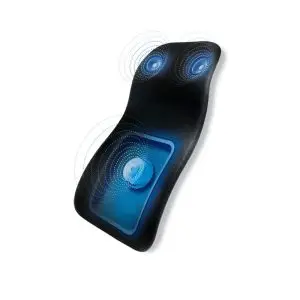
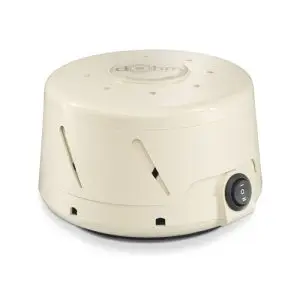
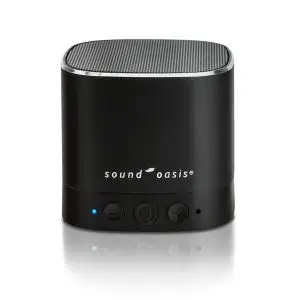
White noise is broadband sound with equal energy across all frequencies. Pink noise has more energy in lower frequencies, giving it a softer quality. Brown noise emphasizes low frequencies further. These can be played through apps, phone speakers, fans, white noise machines, Bluetooth speakers, hearing aids, or dedicated sound generators. Many patients find modulated noise, like ocean wave sounds that vary in rhythm, more pleasant than static noise for extended use.
2. Notch Noise: Signia Notch Therapy
Notch noise filters out a narrow frequency band centered at the tinnitus pitch from an otherwise broadband noise signal, or in Signia’s implementation, from the hearing aid’s amplified output. The surrounding frequencies receive relatively more stimulation, which researchers believe promotes lateral inhibition, neurological suppression of activity at the tinnitus frequency. This is the only hearing aid tinnitus therapy that works inaudibly.
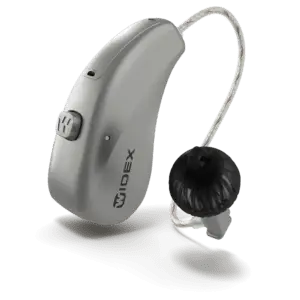
3. Fractal Tones: Widex Zen
Fractal tones are mathematically generated semi-random tonal sequences that sound like wind chimes without musical structure. The mathematical variability prevents the brain from habituating to the therapy sound itself, a key design feature. Multiple clinical trials support their effectiveness for both tonal and non-tonal tinnitus, including in patients with normal hearing thresholds.
4. Environmental and Relaxation Sounds
Nature sounds, rain, streams, birdsong, and ocean waves serve a dual function: they reduce tinnitus contrast and engage the parasympathetic nervous system, reducing the stress and arousal that amplify tinnitus distress. Mindful listening to environmental sounds rather than focusing inward on the tinnitus is a component of several evidence-based tinnitus management approaches.
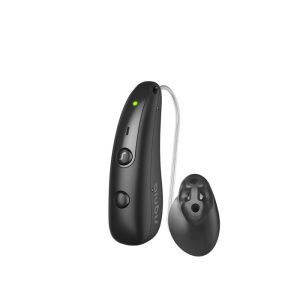
5. Hearing Aids
For patients with hearing loss, hearing aids address the auditory deprivation that contributes to tinnitus. By restoring acoustic input at frequencies where the cochlea has reduced sensitivity, hearing aids reduce the brain’s over-compensation that generates phantom sound. Many patients report significant tinnitus improvement from hearing aids alone, before any dedicated tinnitus program is activated. All major hearing aid brands include additional tinnitus sound therapy programs as a supplement to the amplification benefit.
6. Filtered Music
Some tinnitus management approaches use music that has been frequency-filtered to reduce energy at the tinnitus pitch, combined with residual amplification of surrounding frequencies. This approach shares theoretical ground with Signia Notch Therapy. The evidence base is still developing, and specific products and protocols vary.
Counseling: The Component That Makes Sound Therapy Work
Sound therapy alone rarely produces lasting tinnitus habituation. The research consistently shows that counseling, addressing the meaning, emotional response, and attentional patterns associated with tinnitus, is what separates patients who habituate from those who plateau. Sound therapy reduces acoustic contrast. Counseling changes the brain’s evaluation of the signal. Both are needed.
CBT-based approaches are the most evidence-supported for addressing the psychological component of tinnitus. Internet-delivered CBT, such as the Oto program offered through Hears Hearing & Hearables, makes this accessible without requiring specialist in-person access. [LINK to T6: Oto]
We work with tinnitus patients at our Hears to U clinic in Hopkins, Minnesota, and through telehealth. If tinnitus is affecting your sleep, concentration, or quality of life, contact Hears Hearing & Hearables to discuss which habituation approach fits your situation.
Frequently Asked Questions: Tinnitus Habituation
Can you really habituate to tinnitus?
Yes. Habituation is the primary goal of most evidence-based tinnitus management, and it is achievable for most patients with consistent engagement over time. The brain regularly habituates to persistent non-threatening stimuli, tinnitus habituation applies this natural neurological mechanism intentionally. Patients who achieve stage 4 habituation describe tinnitus as something they are aware of only in quiet settings and no longer affected by in daily life.
How long does tinnitus habituation take?
Most patients see meaningful improvement in tinnitus distress within two to three months of consistent sound therapy and counseling. Full habituation, where tinnitus is no longer a significant daily concern, typically develops over six to twenty-four months, depending on severity and the consistency of treatment engagement. Progress is not linear; stress, fatigue, and noise exposure cause temporary setbacks that do not indicate treatment failure.
What is the best sound for tinnitus at night?
The best sound for nighttime use varies by patient preference, but modulated sounds, ocean waves, rain, or other sounds with natural rhythm and variation are frequently preferred over static white noise for extended overnight use. Widex Zen fractal tones are designed specifically for the kind of extended use required for habituation, including overnight, and are available in a small device that does not require wearing hearing aids during sleep.
Do I need hearing aids to habituate to tinnitus?
Not necessarily, but if you have hearing loss, hearing aids significantly support the habituation process by restoring the auditory input that the brain is over-compensating for with phantom sound. For patients with normal hearing, fractal tones and other sound therapy approaches can be used without amplification — the Sweetow et al. (2015) study demonstrated significant tinnitus relief from fractal tones alone in patients with minimal hearing need.