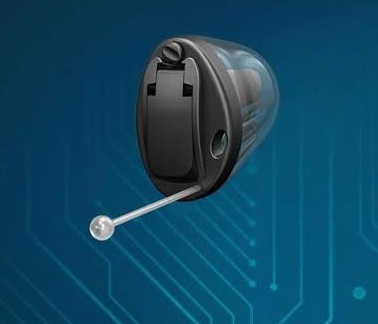
Tinnitus and hearing loss frequently travel together. Most people who experience chronic tinnitus also have some degree of hearing loss, and the relationship runs in both directions: hearing loss reduces the auditory input the brain expects, which can heighten the perception of phantom sound, and noise-induced hearing loss often damages the same cochlear regions that tinnitus most commonly affects.
Oticon addresses tinnitus through two distinct mechanisms: amplification and dedicated sound therapy. Both are available across their entire Intent lineup, meaning tinnitus management is not a premium add-on. It is a standard feature of the platform.
How Amplification Itself Helps Tinnitus
The most underappreciated tinnitus benefit of hearing aids is the one that happens before any dedicated tinnitus program is activated. When hearing loss goes untreated, the brain responds to reduced auditory input by turning up its own internal gain, essentially trying to compensate for the missing signal. This neural gain amplification is one of the leading mechanisms behind tinnitus perception. Simply restoring auditory input through well-fitted hearing aids reduces the contrast between the tinnitus sound and the ambient environment, making it less perceptually dominant.
Many Oticon patients report meaningful tinnitus reduction from amplification alone, before adding any dedicated sound therapy. This is not a placebo effect. It reflects the underlying neuroscience of how tinnitus develops and responds to treatment. For some patients, proper amplification is sufficient on its own. For others, dedicated sound therapy provides additional relief.
Tinnitus SoundSupport: What It Is and What It Offers
Tinnitus SoundSupport is Oticon’s integrated tinnitus sound therapy system, available at all four Intent technology levels. It delivers therapeutic sounds directly through the hearing aids to reduce the perceived contrast between the tinnitus and background sound, supporting the habituation process over time.
The sound options available through Tinnitus SoundSupport include:
- Ocean wave sounds: rhythmic, natural amplitude modulation that many tinnitus patients find easier to habituate to than static noise.
- White noise: broadband noise covering the full audible frequency range, a traditional and well-researched masking sound.
- Pink noise: spectrally shaped noise with more energy in lower frequencies, which some patients find more comfortable than white noise for extended use.
- Customizable sounds: additional therapeutic sounds that can be set up by the audiologist based on the patient’s tinnitus characteristics and preferences.
Sound therapy is streamed alongside normal amplification rather than replacing it, so the patient continues hearing the environment while the therapeutic sound plays underneath. Volume and blend can be adjusted through the Oticon Companion app or by the audiologist during programming.
How Tinnitus SoundSupport Is Set Up
Tinnitus SoundSupport is activated and configured during the hearing aid fitting or at a follow-up appointment. The audiologist sets up a dedicated tinnitus program in the hearing aids, selects the appropriate sound type based on the patient’s tinnitus characteristics and tolerance, and calibrates the volume relative to the patient’s tinnitus loudness match. The patient can then access the program directly through the Oticon Companion app and adjust the sound level independently.
This setup matters. A tinnitus program configured generically, without accounting for the patient’s specific tinnitus pitch, loudness, and tolerance profile, is less effective than one calibrated to the individual. This is one of the reasons prescription hearing aids with audiologist-managed tinnitus programming consistently outperform OTC sound therapy apps in clinical outcomes.
Oticon Tinnitus SoundSupport Across Technology Levels
One of the most clinically significant points about Oticon’s tinnitus approach: Tinnitus SoundSupport is available at all four Intent technology levels, Intent 1, 2, 3, and 4. Patients who choose a lower tier for budget reasons do not give up tinnitus management capability. The DNN 2.0 processing that helps reduce the listening effort and auditory fatigue associated with tinnitus is also present at every level.
The technology level decision for a tinnitus patient follows the same logic as for any other patient: how complex are the listening environments? Tinnitus patients who struggle primarily in noisy environments benefit from the upper tiers’ stronger noise suppression, which reduces the acoustic stress that often worsens tinnitus perception. Tinnitus patients whose primary challenge is quiet environments at home or at night may find Intent 3 or 4 fully sufficient.
How Oticon Compares to Widex for Tinnitus
This is the most common brand comparison question for tinnitus patients, and the honest answer is that both are strong, with a genuine philosophical difference worth understanding.
Widex Zen, available on the Moment platform (not the current Allure), uses fractal music tones rather than noise-based sounds. Fractal tones are algorithmically generated, non-repetitive musical patterns specifically designed to be engaging without capturing active attention, supporting a relaxed state that facilitates tinnitus habituation. Research on Widex Zen shows genuine outcomes for patients who find noise-based therapy uncomfortable or attention-capturing.
Oticon Tinnitus SoundSupport uses nature and noise-based sounds. For patients who respond well to ocean sounds or broadband noise, Oticon’s approach is effective and highly customizable through the Companion app. For patients who have tried noise-based therapy and found it irritating or difficult to habituate to, the Widex Zen fractal tone approach is worth exploring.
Neither approach is universally superior. The right choice depends on tinnitus type, patient preference, and how the individual auditory system responds to each sound category. We carry both platforms and can demonstrate both.
For most tinnitus patients, the first and most important question is not which sound therapy program to use. It is whether the hearing aids are properly fitted to the audiogram. Sound therapy layered on top of a poorly fitted device will not produce the outcomes that sound therapy built on proper amplification delivers. Fitting quality first, tinnitus program second.
Interested in trying Oticon’s Tinnitus SoundSupport, or want to compare Oticon and Widex tinnitus approaches before deciding? Contact Hears Hearing & Hearables. We can arrange a demonstration and walk through which approach fits your specific tinnitus profile.
Frequently Asked Questions: Oticon Hearing Aids and Tinnitus
Do Oticon hearing aids help with tinnitus?
Yes, through two mechanisms. First, by restoring auditory input through proper amplification, Oticon hearing aids reduce the neural gain the brain applies in response to hearing loss, which directly reduces the contrast between tinnitus and the ambient sound environment. Many patients notice meaningful tinnitus improvement from amplification alone. Second, Tinnitus SoundSupport provides dedicated therapeutic sound options that support habituation. Both mechanisms are available on every Intent technology level.
What sounds does Oticon Tinnitus SoundSupport offer?
Tinnitus SoundSupport includes ocean wave sounds, white noise, pink noise, and customizable sounds that can be configured by the audiologist based on the patient’s specific tinnitus characteristics. The sounds stream alongside normal amplification through the hearing aids and can be adjusted in volume through the Oticon Companion app.
Is Oticon Tinnitus SoundSupport available on all Intent technology levels?
Yes. Tinnitus SoundSupport is a standard feature on all four Oticon Intent technology levels, Intent 1, 2, 3, and 4. Patients who choose a lower tier for budget or other reasons do not give up tinnitus management capability.
How is Oticon’s tinnitus approach different from Widex Zen?
Oticon Tinnitus SoundSupport uses nature and noise-based sounds, including ocean waves, white noise, and pink noise. Widex Zen uses fractal music tones, algorithmically generated non-repetitive musical patterns designed to support a relaxed state that facilitates habituation without capturing active attention. Both approaches have research support. The difference is meaningful for patients who find noise-based therapy uncomfortable or attention-capturing, in which case Widex Zen’s fractal approach may be better tolerated. We carry both platforms and can demonstrate both.
Can Oticon hearing aids be used for tinnitus even if my hearing loss is mild?
Yes. Tinnitus often occurs alongside hearing loss across the severity spectrum, including mild loss. Hearing aids fitted to a mild audiogram still restore the auditory input the brain expects, which can reduce the neural gain driving tinnitus perception. The degree of benefit from amplification varies by individual, but mild hearing loss is not a reason to avoid hearing aids when tinnitus is the primary concern.