Costco Hearing Aids vs. Independent Audiologist: An Interesting Comparison
Costco’s hearing centers offer professionally fitted prescription hearing aids at prices that are genuinely difficult for independent audiologists to match. That is worth acknowledging plainly. Dismissing Costco as simply inferior does not serve patients; it just sounds defensive.
What is also worth acknowledging plainly: there are specific ways Costco’s model falls short that matter clinically, and patients deserve to understand them before making a decision. This post covers both sides honestly. We are a small independent audiology practice, and we have a stake in this conversation, but we also have an obligation to tell you the truth about your options.
What Costco Is Actually Offering
Understanding what you are buying at Costco starts with understanding that every hearing aid Costco sells is a rebranded device from a major manufacturer:
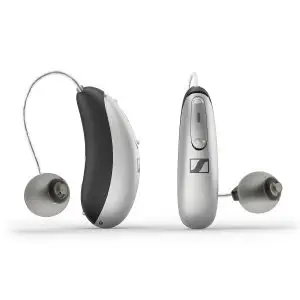
- Sennheiser Sonite R: built by Sonova on the Phonak Lumity platform (2022 generation). Costco’s current flagship at $1,599.99 per pair.
- Jabra Enhance Pro: built by GN Hearing on the ReSound platform. Jabra is a consumer audio brand, the underlying technology is ReSound.
- Philips HearLink: built by Demant on the Bernafon-based platform. Demant also owns Oticon, but Philips HearLink uses Bernafon’s audiological strategy, not Oticon’s directly.
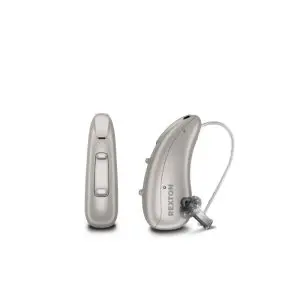
- Rexton Reach: built by WS Audiology on the Sivantos platform, the same platform as Signia. Rexton is an independent brand we also carry, the Costco version uses proprietary Costco software.
The rebranding practice is not dishonest, the underlying technology is genuine hearing aid hardware from world-class manufacturers. But it creates two practical problems: patients often do not know what platform they actually own, and the software that controls the device is proprietary to Costco, which means only Costco can fully service and reprogram it.
What Costco Does Well, Honestly
- Price: the Sennheiser Sonite R at $1,599.99 for a Phonak Lumity-generation device is real value. An equivalent device at a private audiology practice typically runs $3,000 to $5,000 or more. The savings are meaningful.
- Return policy: Costco’s 180-day return window is the most generous in the industry. Most audiology practices offer 30 to 45 days. This genuinely reduces purchase risk.
- Professional fitting: Costco hearing aids are fitted by licensed hearing care professionals using a hearing evaluation and audiogram-based programming. They are not OTC self-fit devices.
- Broad access: Costco operates hundreds of U.S. locations and provides access to professionally fitted hearing aids in communities where independent audiology is limited.
Where Costco’s Model Falls Short
1. Proprietary Software Locks You In
This is the limitation with the longest-term consequences. Costco’s rebranded hearing aids– Sennheiser Sonite R, Jabra Enhance Pro, Philips HearLink, use software that only Costco audiologists can access. If you move, if your Costco location closes, if you want care from an independent audiologist, or if you buy Costco accessories and need them serviced, you are limited to what Costco can provide.
This is why we do not accept Costco-branded hearing aids in our consignment store. We cannot verify, program, or service them. If you outgrow Costco’s care model, the hearing aids you purchased there cannot easily transfer to independent care.
2. Real-Ear Measurement Is Inconsistent
Real-ear measurement is the gold standard for verifying that a hearing aid is actually delivering the correct amplification to your specific eardrum. It involves a small probe microphone placed in the ear canal that measures what the hearing aid produces versus what your prescription requires. Without REM, the fitting is based on software targets alone, which may or may not match what your ear canal actually needs.
Some Costco locations perform REM routinely. Others do not. If REM matters to you, and clinically it should, ask specifically before your fitting appointment whether they use it. If they do not, that is a meaningful gap in the standard of care.
3. The Acclimatization Gap
Acclimatization is the process by which the brain adjusts to amplified sound after a period of untreated hearing loss. It is not instant. For patients who have had untreated hearing loss for years, the adjustment period can take three to six months and requires structured follow-up, starting at slightly reduced amplification and gradually increasing to full prescription as the brain adapts.
Common experiences during acclimatization that require clinical guidance:
- Tinny or harsh sound quality: the brain is hearing high-frequency sounds it has not processed in years. This is normal and resolves with time and gradual programming adjustments, but patients who do not understand this abandon their hearing aids, assuming the devices are wrong rather than the fitting needing refinement.
- Own voice discomfort: hearing your own amplified voice is one of the most common early complaints. It typically resolves within weeks but benefits from counseling and minor programming adjustments.
- Soft sounds feeling overwhelming: rustling papers, distant conversations, ambient sounds the patient stopped noticing years ago are now audible again. This is the hearing aids working correctly, but without explanation, patients interpret it as over-amplification.
High-volume environments like Costco often reduce amplification at the initial fitting to ensure comfort, an acceptable starting point. The problem is when no structured follow-up exists to gradually bring amplification to the appropriate prescription level. Patients may be wearing hearing aids that are significantly under-amplified months after fitting, simply because they never returned for the adjustment appointments that would have completed the process.
4. Hearing Instrument Specialists vs Audiologists
Costco hearing centers typically employ hearing instrument specialists rather than licensed audiologists. Both are qualified to fit hearing aids for straightforward cases. Audiologists have advanced clinical training for complex presentations, unusual audiogram patterns, auditory processing issues, ear pathology, previous hearing aid failure, and patients who have not had success with prior devices. For simple mild to moderate hearing loss, the difference may not matter. For complex cases, it does.
5. Previous-Generation Technology
Costco’s rebranded devices are typically one to two generations behind the manufacturer’s current flagship. The Sennheiser Sonite R is Phonak Lumity, released in 2022. Phonak’s current platform is Infinio and Infinio Sphere, released in 2024 to 2025. Lumity is a solid platform, but patients who want the latest DNN processing, Auracast capability, or current app features will not find them in Costco’s current lineup.
The Proprietary Software Problem in Practice
This deserves its own section because it affects more patients than any other Costco limitation. When you buy a ReSound Vivia from Hears Hearing & Hearables, any licensed audiologist with ReSound’s fitting software can adjust, service, and reprogram it. If you move to another state, your new audiologist can pull up your fitting and continue your care seamlessly.
When you buy a Jabra Enhance Pro at Costco, only Costco can access the fitting software. If you need accessories for your Jabra Enhance Pro, TV streamer, remote microphone, replacement receivers, you need to know they run on the GN/ReSound platform, but they may not be labeled that way. If you come to Hears Hearing & Hearables with Jabra aids and need accessory help, we can assist, but we cannot reprogram the hearing aids themselves. That limitation is permanent for the life of the device.
Who Costco Is Right For
- Budget-conscious patients with straightforward mild to moderate hearing loss: who want professionally fitted prescription devices at lower cost and are comfortable remaining within Costco’s ecosystem for all future care.
- Patients in areas with limited independent audiology access: Costco’s broad geographic presence makes it the practical option in many communities.
- Patients who want the most generous return window: the 180-day trial period is a genuine advantage for first-time hearing aid users who want time to evaluate.
Who Should Consider an Independent Audiologist
- Patients with complex hearing loss: asymmetric loss, auditory processing difficulty, or prior hearing aid failure benefit from audiologist-level expertise.
- Patients who want current technology: the latest Phonak Infinio, Signia IX, ReSound Vivia, Oticon Intent, Starkey Edge AI, or Widex Allure platforms are only available through independent providers and manufacturer-authorized retailers.
- Patients who want real-ear measurement as a standard: at Hears Hearing & Hearables and our Hears to U clinic in Hopkins, REM is standard, not optional.
- Patients who want structured acclimatization: follow-up appointments, gradual amplification increases, and counseling through the adjustment period are built into our care model.
- Patients who want flexibility: independent hearing aids programmed by an audiologist can be serviced by any provider with the fitting software. You are not locked into one company for life.
If You Already Have Costco Hearing Aids
We welcome patients who purchased hearing aids at Costco and want additional support. We cannot reprogram the devices themselves; the proprietary software prevents this, but we can:
- Help you understand what accessories are compatible with your specific platform
- Perform real-ear measurement to verify your current programming
- Provide acclimatization counseling if you are struggling with the adjustment period
- Help you understand whether your current devices are meeting your needs
- Discuss options when you are ready to transition to independently serviceable hearing aids
Hearing aids are an investment in your quality of life regardless of where you bought them. If yours are not working the way you hoped, contact us, we are happy to help.
A Note on Supporting Independent Audiology
There is a broader issue worth naming. The shift of hearing care toward warehouse retail and large chains follows the same pattern seen in pharmacy, where CVS, Walgreens, and large chains absorbed the independent drugstores that once provided personalized care in communities across the country. Independent audiology is not immune to this pressure.
We are not asking you to choose us simply out of loyalty to small business. We are asking you to understand what you are trading when you choose a high-volume model: personalized follow-up, provider flexibility, current technology, and the kind of relationship where a clinician knows your hearing history, your listening environments, and your specific challenges. Some patients trade those things knowingly and are satisfied with the result. Others discover the trade-off later and wish they had understood it upfront. This post exists to make sure you understand it before you decide.
Have questions about Costco hearing aids, compatible accessories, or whether an independent fitting would better serve your needs? Contact Hears Hearing & Hearables. We will give you an honest answer based on your specific situation, not on what benefits us most.
Frequently Asked Questions: Costco Hearing Aids
Are Costco hearing aids real hearing aids?
Yes. Costco’s hearing aids are prescription devices built by major hearing aid manufacturers — Sonova (Phonak), GN Hearing (ReSound), and Demant, and sold under consumer-recognizable brand names like Sennheiser and Jabra. They are fitted by licensed hearing care professionals using your audiogram. They are not OTC self-fit devices. The technology is genuine, the limitation is the proprietary software and the care model, not the hardware.
Can an independent audiologist service my Costco hearing aids?
Not for full programming. Costco’s rebranded hearing aids use proprietary fitting software accessible only to Costco hearing centers. An independent audiologist can help with accessories, real-ear measurement verification, and acclimatization counseling, but cannot fully reprogram the devices. This is the most significant long-term limitation of Costco hearing aids.
What happened to the Kirkland Signature hearing aids at Costco?
Kirkland Signature hearing aids, which were built by Sonova on Phonak platforms, have been discontinued. They were replaced by the Sennheiser Sonite R, also built by Sonova on the Phonak Lumity platform. The rebranding from Kirkland to Sennheiser reflects the same practice: a consumer-recognizable audio brand applied to Sonova-built hearing aid hardware.
Does Costco use real-ear measurement?
It varies by location. Some Costco hearing centers perform real-ear measurement as a standard part of their fitting process. Others do not. If REM matters to you, and clinically it is the gold standard for verifying that your hearing aid is delivering the right amplification, ask specifically before your appointment whether they use it.
Is the Philips HearLink at Costco made by Oticon?
No, not directly. Philips HearLink is manufactured by Demant A/S, the same parent company that owns Oticon. However, Philips HearLink uses Bernafon’s audiological platform rather than Oticon’s. Demant and Oticon are related at the corporate level, but the hearing aid technology inside Philips HearLink is Bernafon-based, not Oticon-based.
What is acclimatization and why does Costco’s model struggle with it?
Acclimatization is the process by which the brain adjusts to amplified sound after a period of hearing loss. It typically takes weeks to months and requires multiple follow-up appointments where amplification is gradually increased from a comfortable starting point to the full prescription target. Costco’s high-volume model can make timely follow-up difficult, booked schedules and limited availability mean patients who need adjustments may wait weeks or go without. Patients who do not receive proper acclimatization support often abandon their hearing aids unnecessarily, assuming the devices are wrong when the process was simply incomplete.
💙