What Is Tinnitus? Causes, Neuroscience, and What the Research Tells Us
Tinnitus is the perception of sound in the absence of an external source. The sound can be ringing, buzzing, hissing, clicking, humming, or a high-pitched tone. It can appear in one ear or both, seem close or far away, be constant or intermittent. For some people, it is a mild background presence easily ignored. For others, it significantly disrupts sleep, concentration, and quality of life.
What tinnitus is not: a disease. It is a symptom, the auditory system and brain producing a signal that has no external cause. Understanding why that happens, and what the research says about the mechanisms involved, is the foundation for understanding why certain treatments work and others do not.
Who Gets Tinnitus
Tinnitus affects an estimated 10 to 15 percent of adults. The relationship with hearing loss is real but incomplete:
- A majority of people with tinnitus have some degree of hearing loss
- Roughly half of the people with clinically diagnosed hearing loss also have tinnitus
- About 20 percent of tinnitus sufferers have normal hearing thresholds on standard audiograms
This last point is clinically important. If tinnitus were simply caused by hearing loss, normal-hearing patients would not develop it. The relationship is more complex; hearing loss is a major contributing factor, but not the only one, and not always necessary.
The Neurological Basis: Why the Brain Generates Phantom Sound
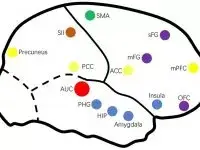
The prevailing understanding of tinnitus treats it primarily as a neurological phenomenon, even when it originates from auditory system damage. Here is the current model:
- Peripheral damage: noise exposure, aging, ototoxic medications, or other causes reduce the input the cochlea sends to the auditory nerve at specific frequencies.
- Central compensation: the brain, receiving less input from those frequency regions, increases its own neural activity in the auditory cortex to compensate. This is a known mechanism called central gain increase.
- Phantom signal: the increased central activity is perceived as sound, even though no external sound at that frequency is present. The brain is generating signal to fill the gap left by reduced peripheral input.
- Persistence: tinnitus that continues long after the triggering event, noise exposure, ear infection, or medication is maintained by neural plasticity in the auditory cortex and its connections to emotional and attentional brain regions. The sound is no longer coming from the ear; it is coming from the brain.
Tinnitus is primarily a brain phenomenon, not an ear phenomenon, even when ear damage triggers it. This is why treating the ear directly rarely resolves established chronic tinnitus, and why the most effective management approaches target the brain’s response to the tinnitus signal rather than trying to eliminate the signal at the cochlea.
Six Research Perspectives on Tinnitus: Insights From the ARO 2021 Review
A 2021 review published in the Journal of the Association for Research in Otolaryngology by Knipper, Mazurek, Van Dijk, and Schulze synthesized current understanding across six research domains, presented at the Annual Mid-Winter Meeting of the Association for Research in Otolaryngology in February 2021. A review of this paper by Karen examines what each domain contributes to understanding tinnitus.
1. Bottom-Up vs Top-Down Processing
Is tinnitus generated in the peripheral auditory system (bottom-up) or is it a central cognitive phenomenon (top-down)? Current evidence suggests it may be both — peripheral damage triggering a top-down cognitive and emotional response that sustains the perception independently of the original peripheral trigger. A key research question: could medications that address the peripheral trigger prevent the top-down impairment from becoming established?
2. Attention and Cognitive Resources
Multiple studies report impaired executive attention, selective attention, and working memory in chronic tinnitus patients. The mechanism is consistent: negative emotional responses to tinnitus consume cognitive resources, increasing vigilance toward the tinnitus signal. This creates a feedback loop where trying to ignore tinnitus actually amplifies it. Individual differences in attentional and cognitive profiles may explain why some people with identical audiograms develop severe tinnitus distress while others are barely aware of the same level of tinnitus.
3. Stress and the Limbic System
Insomnia, hearing distress, and anxiety are the best predictors of tinnitus severity, stronger predictors than the acoustic characteristics of the tinnitus itself. The presence of stress activates limbic system pathways that amplify the emotional significance of the tinnitus signal. Distinguishing between oxidative stress from acoustic trauma, general physiological stress, and psychological stress is important for understanding the mechanism and developing targeted interventions.
4. Tinnitus Subtypes and Hyperacusis
Not all tinnitus is the same. Evidence suggests distinct sub-categories, particularly the difference between patients with tinnitus alone versus patients with tinnitus and hyperacusis (an exaggerated, sometimes painful reaction to everyday sounds). Patients with both tinnitus and hyperacusis may have parallel peripheral and central changes that affect a wider frequency range and produce more severe distress. Treatment approaches may need to be differentiated by subtype rather than treating all tinnitus as a single condition.
5. Tinnitus as Prediction Error
One emerging framework treats tinnitus as a prediction error produced by the brain’s predictive processing system. The brain constantly generates predictions about incoming sensory input based on memory and prior experience. When the auditory system fails to deliver expected input at certain frequencies, the brain generates an internal signal to fill the prediction gap. Under this model, tinnitus is a side effect of the brain’s effort to maintain accurate auditory perception despite peripheral damage.
6. Deafferentation and the Auditory Cortex
Deafferentation, the disruption of sensory nerve impulses from cochlear damage, may trigger reorganization in the auditory cortex that generates tinnitus. The question of whether the conscious perception of tinnitus requires cortical involvement, and whether it originates in the brainstem before reaching consciousness, remains active in the literature. Future therapies targeting specific auditory cortex regions, including brainstem implants and neuromodulation approaches, are under investigation.
The Tinnitus-Hearing Loss Relationship: What a 2021 Study Found
A study published in Scientific Reports (December 2021) by Rafay Khan, Bradley Sutton, Yihsin Tai, Sarah Schmidt, Somayeh Shahsavarani, and Fatima Husain investigated anatomical connectivity changes in brain white matter associated with tinnitus using neuroimaging.
The study was able to detect distinct pattern changes in nerve pathways attributable to tinnitus, hearing loss, or both conditions together, confirming the possible existence of tinnitus-specific neural networks distinct from those associated with hearing loss alone. The study proposed a mechanism for how tinnitus persists in patients with co-occurring hearing loss, involving brain regions that play a larger role than previously described. Importantly, the proposed mechanism applies specifically to patients with both tinnitus and hearing loss; the mechanism for tinnitus without hearing loss remains less well understood.
Khan, R., Sutton, B., Tai, Y., Schmidt, S., Shahsavarani, S., & Husain, F. (2021). Neural connectivity changes in tinnitus. Scientific Reports, published December 3, 2021.
Internet-Based CBT for Tinnitus: A Clinical Trial
A 2022 randomized controlled trial published in the Journal of Medical Internet Research by Beukes, Andersson, Fagelson, and Manchaiah evaluated internet-based audiologist-guided cognitive behavioral therapy for tinnitus in a US population, the first such trial in the United States after nine prior European trials.
158 participants were randomized: 79 to internet-based CBT, 79 to weekly monitoring as control. Over eight weeks, those receiving CBT showed significantly greater improvement in tinnitus distress on the Tinnitus Functional Index compared to monitoring alone. Benefits were maintained at two-month follow-up. CBT participants also showed significantly greater reduction in negative tinnitus cognitions and insomnia. Anxiety and depression did not show significant improvement in this study, potentially due to the exclusion of participants with severe pre-existing mental health conditions.
Beukes, E.W., Andersson, G., Fagelson, M., & Manchaiah, V. (2022). Internet-based audiologist-guided cognitive behavioral therapy for tinnitus: Randomized controlled trial. Journal of Medical Internet Research, 24(2). Published February 14, 2022.
The significance of this trial: CBT for tinnitus had been validated in nine prior European studies. This was the first US-based trial, using a culturally adapted version also translated into Spanish. The results extend the evidence base to American patients and support the use of telehealth-delivered CBT as a viable treatment pathway.
Future Directions in Tinnitus Treatment
Current management reduces distress and improves quality of life through counseling, sound therapy, and hearing aids. No curative treatment exists. Research directions with near-term potential:
- Neuromodulation: electrode array technology from companies including Neurosoft Bioelectronics is being developed for neurological conditions with planned extension to tinnitus, using soft flexible implants to modulate specific neural circuits involved in phantom sound generation.
- Vagus nerve stimulation: paired with sound therapy in research settings, showing some early promise though side effect profiles remain a concern for widespread use.
- Cognitive behavioral therapy at scale: internet-delivered CBT validated in multiple international trials now makes evidence-based tinnitus management accessible without specialized in-person providers.
- Diet and physical activity: emerging evidence for the role of cardiovascular health, metabolic factors, and stress physiology in tinnitus severity — potentially modifiable through lifestyle.
- Targeted pharmacology: medications addressing specific peripheral or central mechanisms are under investigation, though no pharmacological treatment is currently approved specifically for tinnitus.
What This Means for People With Tinnitus Right Now
Tinnitus research is active and moving. A curative treatment does not yet exist. What does exist is a meaningful set of management tools that reduce distress significantly for most patients who engage with them consistently:
- Hearing aids address the auditory deprivation component for patients with hearing loss
- Sound therapy programs reduce the acoustic contrast that makes tinnitus perceptible
- CBT addresses the attentional and emotional amplification that turns a manageable sound into a disabling one
- Habituation, with time, support, and the right tools, is achievable for most patients
If tinnitus is affecting your sleep, concentration, or quality of life, the evidence-based starting points are a hearing evaluation and a referral to a provider experienced in tinnitus management. Hears Hearing & Hearables and our Hears to U clinic in Hopkins, Minnesota, offer tinnitus-focused audiological care.
Frequently Asked Questions: What Is Tinnitus
What causes tinnitus?
The most common contributing factor is sensorineural hearing loss from noise exposure, aging, or ototoxic medications. When the cochlea sends less input to the brain at specific frequencies, the auditory cortex increases its own neural activity to compensate, generating phantom sound. However, approximately 20% of tinnitus sufferers have normal hearing thresholds, suggesting additional mechanisms. Stress, anxiety, sleep disruption, head or neck injury, certain medications, cardiovascular conditions, and Meniere’s disease are among the documented contributing factors.
Is tinnitus a neurological disorder?
Tinnitus has a significant neurological component. While it is often triggered by peripheral auditory system damage, chronic tinnitus is largely maintained by neural activity in the auditory cortex and its connections to emotional and attentional brain regions. The 2021 Khan et al. study in Scientific Reports identified tinnitus-specific neural network changes distinct from those caused by hearing loss alone. Current best evidence treats tinnitus as involving both peripheral and central neurological mechanisms.
Why do some people with hearing loss not have tinnitus?
Approximately half of people with clinically diagnosed hearing loss do not develop tinnitus. Current research suggests that individual differences in attentional systems, stress response, limbic system reactivity, and cortical plasticity influence whether peripheral damage results in tinnitus. The cognitive and emotional processing response to auditory input reduction appears to vary significantly between individuals, which may explain why identical audiograms can produce very different tinnitus experiences.
Can tinnitus be cured?
No curative treatment currently exists. Tinnitus can be managed effectively; hearing aids, cognitive behavioral therapy, sound therapy, and habituation approaches reduce distress significantly for most patients who engage with them consistently. Research into neuromodulation, vagus nerve stimulation, and pharmacological approaches is ongoing. The goal of current management is habituation: reaching a point where tinnitus is present but no longer distressing or disruptive.
Does internet-based CBT work for tinnitus?
Yes. A 2022 randomized controlled trial published in the Journal of Medical Internet Research demonstrated that internet-based audiologist-guided CBT produced significantly greater improvement in tinnitus distress than weekly monitoring alone, with benefits maintained at two-month follow-up. This was the first US-based trial, extending findings from nine prior European studies. Internet-delivered CBT makes evidence-based tinnitus management accessible without requiring specialized in-person providers.