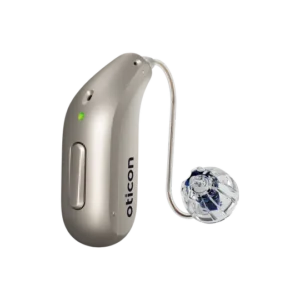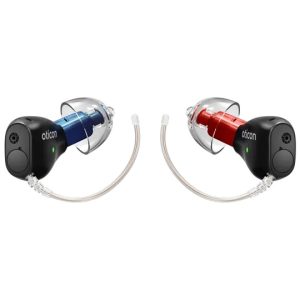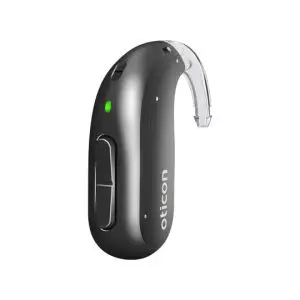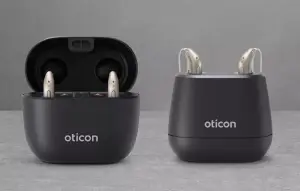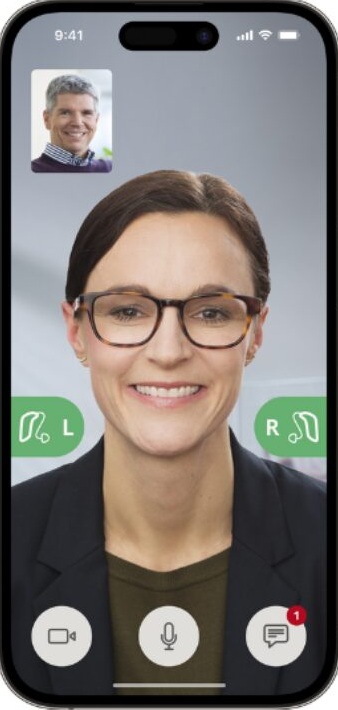
The Oticon Companion app supports remote care, and Oticon does offer telehealth follow-up programming. But Oticon’s remote care has real, specific limitations that matter for certain patients, and being clear about them upfront is more useful than discovering them after purchase. This is similar in accessibility as their pricing guidelines.
The short version: if you need your initial fitting done remotely, Oticon is not the right choice for you. If you need tinnitus programming adjusted remotely, again, Oticon is not the right choice for you. If you are comfortable with an in-person first fitting and only need remote follow-up adjustments afterward, Oticon’s telehealth works well and is a genuine convenience.
What Oticon Remote Care Can Do
Through the Oticon Companion app, your audiologist can connect to your hearing aids remotely during a video appointment and make programming adjustments in real time. This covers the majority of routine follow-up needs:
- Volume and gain adjustments: fine-tuning overall amplification based on what you report from real-world experience.
- Program adjustments: modifying existing listening programs, adjusting how the hearing aids behave in specific environments you have identified as challenging.
- Noise processing settings: adjusting the aggressiveness of noise reduction based on patient feedback.
- Streaming and app settings: adjusting how the hearing aids handle Bluetooth audio, app controls, and related preferences.
- General fine-tuning: the kind of incremental refinements that most patients need in the weeks and months after initial fitting as they adapt to amplification and identify what is and is not working in their actual listening environments.
For the majority of Oticon patients, after their first in-person fitting, remote care through the Companion app handles everything they need between annual in-person check-ins.
What Oticon Remote Care Cannot Do
Two specific limitations are important enough to be decision-relevant before purchasing Oticon hearing aids.
Oticon does not currently permit the initial hearing aid fitting to be performed remotely. The first programming appointment, where the hearing aids are set to your audiogram targets and verified, must be done in person with a licensed provider. This is a manufacturer’s policy, not a technical limitation.
Tinnitus SoundSupport adjustments cannot be made remotely through Oticon’s current remote care platform. Setting up or modifying the tinnitus program requires an in-person appointment. For patients whose tinnitus management needs frequent program adjustments, this is a meaningful constraint.
Why This Matters for Specific Patients
For most hearing aid patients, the initial fitting requirement is manageable. Most people can get to a clinic at least once, even if distance makes frequent visits difficult. The remote follow-up capability handles everything after that initial appointment.
For two specific groups, however, Oticon’s current remote care limitations are a real barrier:
- Patients who are entirely homebound or in very remote locations: if getting to a clinic for even a single initial fitting is genuinely not possible, Oticon is not a workable option right now. Brands that permit fully remote first fittings, including Phonak , Starkey, and Signia, may be better suited.
- Tinnitus patients who need ongoing remote program management: tinnitus management often requires iterative adjustments as the patient’s response to sound therapy evolves. If those adjustments cannot be made remotely, patients who live at a distance from their provider face a meaningful inconvenience that may affect the consistency of care.
How Oticon’s Remote Care Compares to Other Brands
Full remote care capability, including first fittings, varies by brand and by manufacturer policy. Phonak and Signia both support more comprehensive remote fitting workflows than Oticon currently does. ReSound, Starkey, and Widex also offer remote care, each with its own specific capabilities and limitations.
This is an area where manufacturer policies can and do change. Oticon’s current stance on remote first fittings and tinnitus adjustments reflects where they are today. As telehealth becomes more standard across audiology and as Oticon continues developing the Companion app ecosystem, it is reasonable to expect these limitations to evolve. We will update this post when Oticon’s remote care policy changes.
The Honest Bottom Line
Oticon’s remote care works well for what it covers, which is routine follow-up programming after an initial in-person fitting. The Companion app is reliable, the remote adjustment process is straightforward, and the majority of Oticon patients have no reason to visit the clinic more than once or twice a year after their initial fitting.
For patients who need fully remote care from day one, or who need tinnitus programming managed remotely on an ongoing basis, Oticon is not the right fit right now. That is not a criticism of the platform, it is accurate information that helps the right patients choose Oticon and the wrong patients look elsewhere before they buy. Honesty about limitations serves patients better than glossing over them to close a sale.
Not sure whether Oticon’s remote care limitations affect your situation? Contact Hears Hearing & Hearables. We will walk through your location, access to in-person care, and tinnitus management needs honestly before recommending Oticon or pointing you toward a brand whose remote care model is a better fit.
Frequently Asked Questions: Oticon Telehealth and Remote Programming
Can Oticon hearing aids be programmed remotely?
Yes, for follow-up adjustments after an initial in-person fitting. The Oticon Companion app supports remote care appointments where your audiologist can connect to your hearing aids and make programming changes in real time during a video call. The initial first fitting must be performed in person. Tinnitus SoundSupport adjustments also require an in-person visit under Oticon’s current remote care policy.
Why does Oticon require the first fitting to be done in person?
This is Oticon’s current manufacturer policy rather than a technical limitation. Oticon’s position is that the initial fitting, which involves setting hearing aid targets to your audiogram, real-ear measurement verification, and physical fitting of the device, requires in-person professional oversight. Other manufacturers have different policies. As telehealth audiology standards evolve, Oticon’s position on this may change.
Can tinnitus programs be adjusted remotely with Oticon?
Not under Oticon’s current remote care framework. Tinnitus SoundSupport setup and adjustments require an in-person appointment. For patients whose tinnitus management needs frequent program changes and who cannot easily access in-person care, this is a meaningful limitation worth factoring into the brand decision.
Which hearing aid brands allow fully remote first fittings?
Phonak and Signia both support more comprehensive remote fitting workflows that can include initial fittings performed remotely under appropriate circumstances. ReSound, Starkey, and Widex also offer remote care with varying degrees of capability. Contact us to discuss which brand’s remote care model best fits your specific access situation.
If I live far from a clinic, can I still get Oticon hearing aids?
Possibly, depending on how far you are and what in-person options exist near you. The minimum requirement is being able to get to a clinic for the initial fitting appointment. Follow-up care can be handled remotely through the Companion app after that. We have a provider network and can help identify a clinic near you for the initial fitting if you are not in the Minneapolis area.