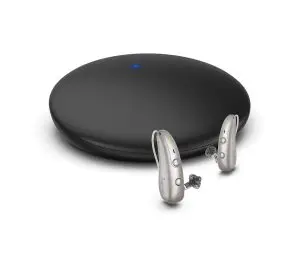
Hearing aids are remarkable devices. They amplify sound, process noise, and deliver a customized signal tuned to your specific hearing loss, all in a device smaller than a fingertip. But hearing aids have limits. Distance, reverberation, background noise, and the physics of microphone placement mean that even the best hearing aid cannot do everything alone.
Accessories solve specific problems that hearing aids cannot. They extend what your hearing aids can do in particular situations, such as TV watching, noisy restaurants, phone calls, and public venues, in ways that amplification alone never fully accomplishes. The patients who get the most from their hearing aids are almost always the ones who also use one or two well-chosen accessories.
Betty’s TV Story
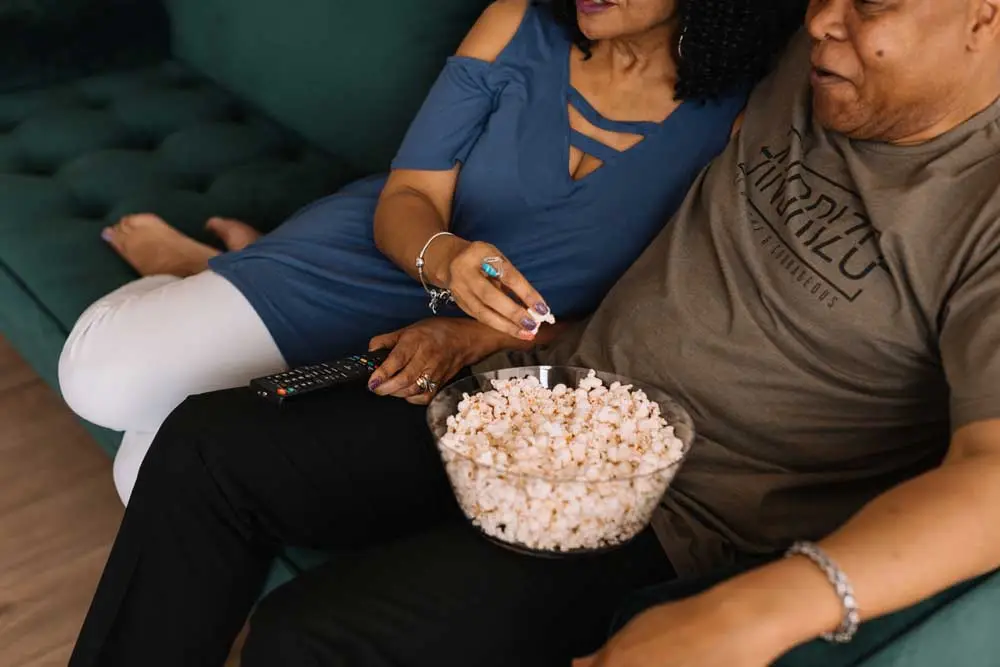
Betty values her relaxation time in front of the television. Like many people with hearing loss, she found herself straining to follow dialogue even with her hearing aids, missing subtle lines, asking family members to repeat themselves, and having the volume set higher than anyone else in the room wanted. She invested in a TV streamer for her hearing aids. The transformation was immediate. Dialogue she had been missing for years came through clearly. The volume that had been a point of friction with her family came down. Betty did not just hear better, she reconnected with the shows she loved and stopped feeling like she was missing out.
Betty’s experience is common. Once a patient uses a TV streamer for the first time, they rarely go back. The difference between amplified room sound and direct streaming to the hearing aids is not subtle; it is the difference between straining to hear and simply hearing.
What Accessories Cannot Do?
Before covering what accessories can do, one thing worth stating plainly: hearing aids cannot cancel noise. They can reduce it, process it, and use directionality to favor speech over background, but they cannot make a noisy restaurant quiet. Accessories address this by moving the microphone closer to the sound source rather than asking the hearing aid microphone to reach across a room through noise. That is a physics solution, not a technology limitation.
The Main Categories of Hearing Aid Accessories
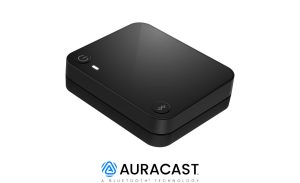
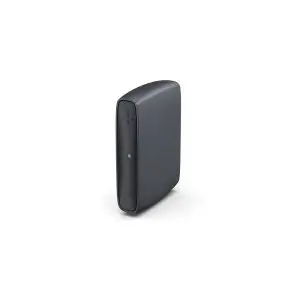
TV Streamers
Connect to the television and stream audio directly and wirelessly to your hearing aids. You hear the TV at your preferred volume while others hear it through the room speakers at theirs. No more volume disagreements. No more missed dialogue. Every patient who tries one describes it the same way: a game changer.
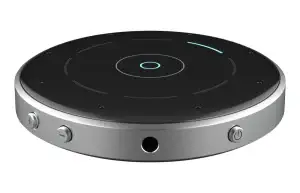
Remote Microphones
A small microphone worn or placed near the speaker that streams their voice directly to your hearing aids. Solves the problem hearing aids cannot solve on their own: distance and noise. Your companion clips it to their collar at a restaurant, and their voice arrives in your hearing aids clearly, bypassing the background completely.
Remote Controls
Physical buttons for adjusting volume, switching programs, and muting, without touching the hearing aids or opening an app. Preferred by patients who want discreet tactile control in situations where pulling out a smartphone is not practical.
Hearing Loops and FM Systems
Assistive listening systems installed in theaters, churches, airports, and public venues. Hearing loops transmit audio directly to hearing aids with a telecoil, delivering the venue’s audio signal without any additional device. FM systems use radio frequency transmission, more portable and user-specific.
Essential Maintenance Accessories
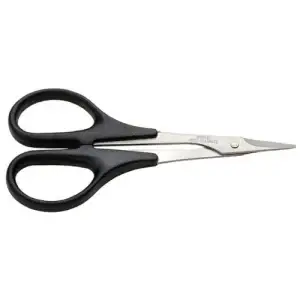
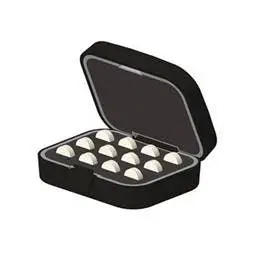
Receivers, domes, wax guards, and chargers keep hearing aids functioning. Dehumidifiers extend lifespan. UV-C sanitizing systems keep the ear-contact surfaces clean. These are not optional add-ons; they are standard maintenance.
Accessories Are Brand Specific
Almost all hearing aid accessories work only with the brand they are made for. A Widex Sound Assist does not connect to Phonak hearing aids. A ReSound Multi Mic+ does not stream to Starkey hearing aids. Before purchasing any accessory, confirm it is compatible with your specific hearing aid brand and model. Contact Hears Hearing & Hearables if you are not sure.
The Maintenance Accessories You Cannot Skip
Beyond the lifestyle accessories, a category of maintenance items is required for hearing aids to function properly:
- Wax guards: the small filter at the receiver tip that catches earwax. The most common cause of hearing aid failure when not changed regularly.
- Domes and ear tips: the soft rubber tips that direct sound into the ear canal. Need periodic replacement.
- Cleaning kits: brushes and tools for microphone ports and receiver surfaces.
- Dehumidifiers: moisture is the most consistent cause of hearing aid damage. A dryer used every night is standard maintenance for any daily wearer.
- Receivers: the speaker wire of RIC hearing aids. The most common hardware failure, and one of the easiest DIY replacements.
Storing and Traveling with Your Accessories
Beyond keeping accessories clean, how you store them day to day and when you travel matters just as much for their lifespan. Store accessories in their protective cases when not in use, this prevents loss, physical damage (including from curious pets), dust accumulation, and moisture exposure. Keep them in a dry, cool place, away from direct sunlight and humid rooms like bathrooms. If you live somewhere genuinely humid, a dehumidifier is worth using for your accessories as well as your hearing aids themselves.
When traveling, pack accessories in a protective travel case, secured well enough to avoid damage in transit. It’s also worth packing a spare charger, or leaving a backup in your suitcase, since a forgotten or left-behind charger while traveling is one of the most common reasons people need a replacement in a hurry. Many newer hearing aid chargers even offer a portable charger. Read the information on portable chargers we wrote for you. For charging contact cleaning specifically, see our full guide on troubleshooting a hearing aid that won’t charge. For zinc-air battery storage and the newer childproof packaging, see our battery packaging guide.
Not sure which accessories are compatible with your hearing aids or where to start? Contact Hears Hearing & Hearables. We carry accessories for all major brands and can confirm compatibility before you purchase.
Frequently Asked Questions: Hearing Aid Accessories
Do I really need hearing aid accessories?
Not every patient needs every accessory, but most patients benefit significantly from at least one. The TV streamer is the most universally valued: virtually every patient who tries one purchases one. Remote microphones are the second most impactful for patients who struggle in restaurants, meetings, or group conversations. The question is not whether accessories help; research consistently shows they do. The question is which specific accessories address your specific listening challenges.
Are hearing aid accessories covered by insurance?
Most insurance plans do not cover hearing aid accessories. Some employer flex spending accounts (FSA) or health savings accounts (HSA) can be used for hearing aid accessories as qualifying medical expenses. Check your specific plan. Accessories purchased at Hears Hearing & Hearables are priced transparently without bundling into service fees.
Can I use accessories from one brand with a different brand’s hearing aids?
Generally no. Hearing aid accessories use proprietary wireless protocols that are brand-specific. A Phonak TV Connector streams to Phonak hearing aids. A ReSound Multi Mic+ streams to ReSound hearing aids. There are exceptions; the Phonak Roger system can connect to non-Phonak devices through the Roger X universal receiver, and hearing loop systems work with any telecoil-equipped hearing aid regardless of brand. But as a rule, accessories and hearing aids should be the same brand. Contact us to confirm compatibility before purchasing.
What is the most useful hearing aid accessory?
For most patients, the TV streamer delivers the most immediate and dramatic improvement. The difference between amplified room sound and direct wireless streaming to the hearing aids is profound; patients who try it almost universally describe it as a revelation. Remote microphones are the second most impactful for patients whose primary challenge is noise and distance in social situations.
See our full charger troubleshooting guide.
Learn about zinc-air battery packaging changes.
Browse hearing aid accessories by brand.
Not sure what you need? Contact us.