Battery Battle: Why Your Hearing Aid Batteries Are Now Childproof (And a Bit Trickier!)
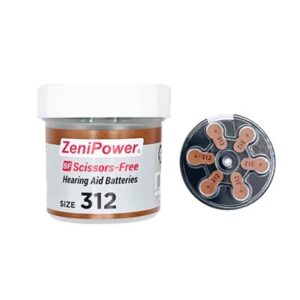
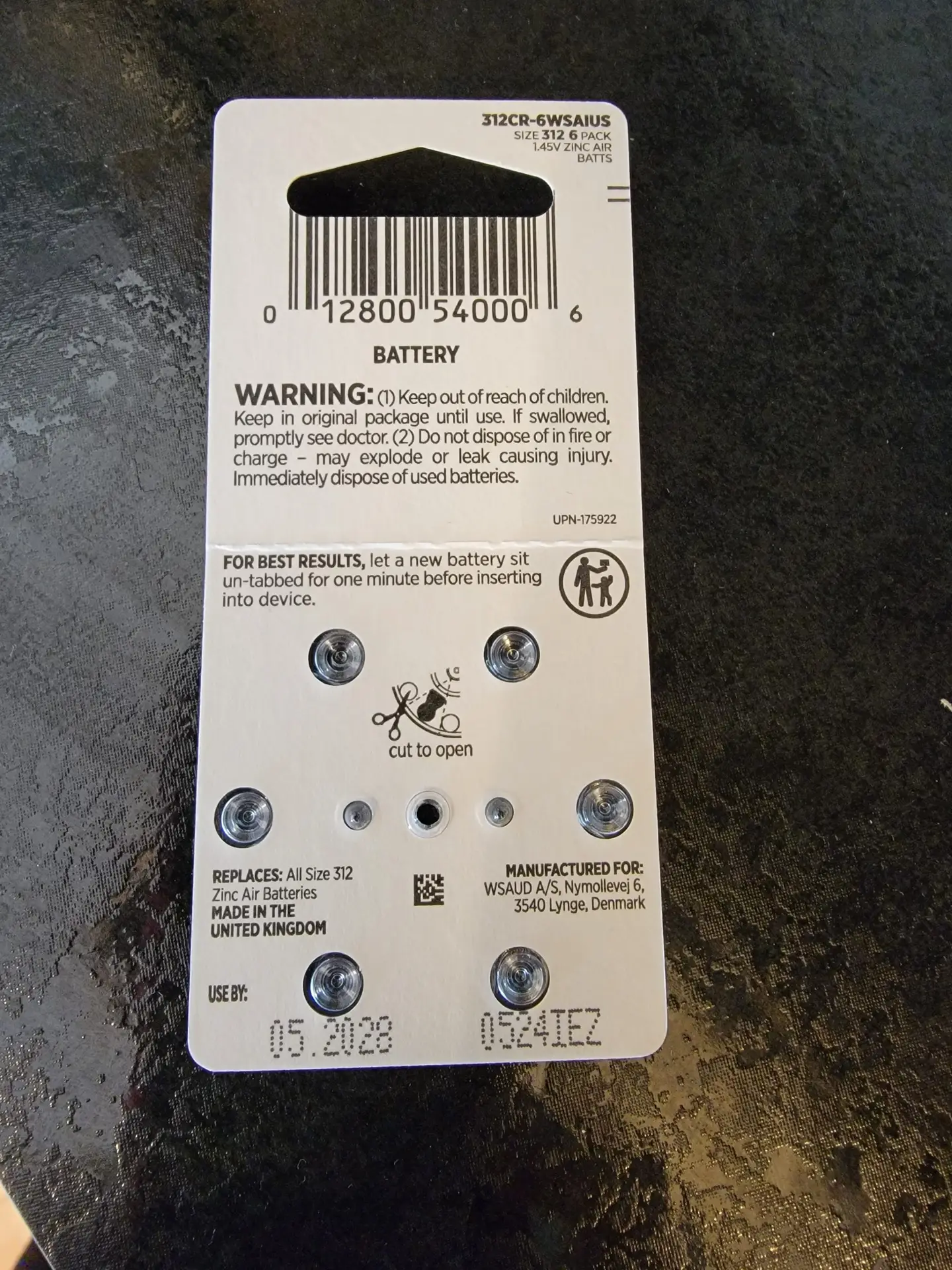
If you use zinc-air hearing aid batteries, you have probably noticed something different about the packaging lately, harder to open, more steps, maybe even a pair of scissors required where a simple plastic flap used to do the job. This is not a packaging design accident. It is the result of a new federal law, and it is worth understanding both why it exists and how to work with it.
Reese’s Law: Safety First
In 2022, Congress passed Reese’s Law, a significant step in battery safety legislation. It is named after Reese Hamsmith, an eighteen-month-old child who died after swallowing a button battery. Her story drove a national push to make packaging for small batteries, including the ones used in hearing aids, genuinely difficult for curious children and pets to access.
The law requires childproof packaging for all zinc-air button cell and coin batteries imported after March 8, 2024. The intent is unambiguous and important: prevent more tragedies like Reese’s. The tradeoff is that the same packaging built to stop a toddler can also be genuinely difficult for adults with limited dexterity or arthritis to open.
The New Packaging Is Tougher Than It Looks
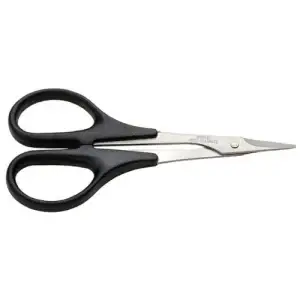
Opening the new packaging can feel like wrestling a stubborn jar lid. Expect to need scissors, a bit of patience, and possibly a second pair of hands. Popping open a simple flap is no longer how this works, it is a multi-step process by design.
If you find it tricky, you are not alone, most people do at first. One practical tip: open your batteries over a table, so if one pops free unexpectedly, it does not roll away and disappear.
Considering Rechargeable? Here Is Why Now Might Be the Time
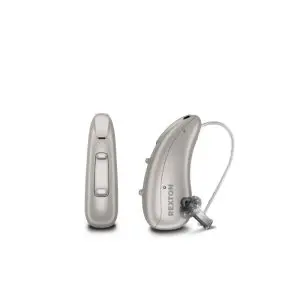
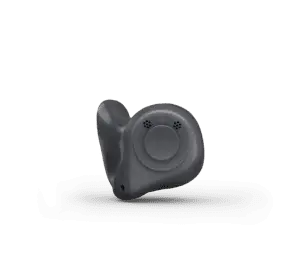
If the packaging hassle has you wondering whether there is an easier way, there is. Many hearing aid users are switching to rechargeable batteries specifically to avoid this exact frustration. No packaging to fight, no tiny tabs to peel, just place the hearing aids on a charger and you are set for up to 20 hours of use.
Rechargeable hearing aids have improved substantially in recent years. They are more convenient, more environmentally friendly than disposable batteries, and they remove the battery-safety concern from your household entirely, no small batteries around curious hands or paws to worry about in the first place. [LINK to rechargeable vs disposable guide]
Still Using Traditional Batteries? A Few Tips
- Use scissors: it sounds obvious, but it genuinely helps. Cut carefully and only open the single battery you need at the moment.
- Use a buddy system: ask a family member or friend to help if dexterity is a challenge.
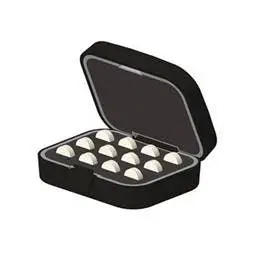
- Store batteries securely: keep both new and used batteries out of reach of children and pets. Used batteries still carry risk. A storage case that is itself difficult to open adds an extra layer of protection.
- Watch a tutorial: a short video walkthrough can make the new packaging far less intimidating the first few times.
Reese’s Law makes the world safer for the people who matter most in moments like this, young children and curious pets, even when it makes the packaging more annoying for the rest of us. That tradeoff is worth keeping in perspective.
Curious whether rechargeable hearing aids might be the right upgrade for you?
What is Reese’s Law and why did hearing aid battery packaging change?
Frequently Asked Questions: Hearing Aid Battery Packaging and Reese’s Law
What is Reese’s Law and why did hearing aid battery packaging change?
Reese’s Law is a 2022 federal law named after Reese Hamsmith, an eighteen-month-old who died after swallowing a button battery. It requires childproof packaging for all zinc-air button cell and coin batteries imported after March 8, 2024, which is why hearing aid battery packaging now requires more effort to open than it used to.
Why is the new hearing aid battery packaging so hard to open?
The packaging is intentionally designed to be difficult for young children to open, which unfortunately also makes it harder for adults with limited dexterity or arthritis. Using scissors and opening only one battery at a time over a flat surface makes the process more manageable.
Are rechargeable hearing aids a good alternative to disposable batteries?
For many users, yes. Rechargeable hearing aids eliminate the packaging issue entirely, typically provide up to 20 hours of use per charge, and remove the safety concern of having small batteries in the home. They are also generally considered more environmentally friendly than disposable zinc-air batteries over the life of the device.
How do I store used hearing aid batteries safely?
Used batteries still carry a safety risk and should be kept out of reach of children and pets, the same as new batteries. A dedicated storage case that is difficult to open adds extra protection, particularly in households with young children or pets.
Does Reese’s Law apply to all small batteries, or just hearing aid batteries?
Reese’s Law applies broadly to zinc-air button cell and coin batteries, which includes hearing aid batteries but also extends to batteries used in other small electronics like watches, remote controls, and toys imported after March 8, 2024.