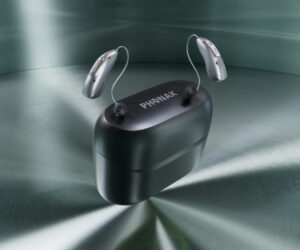
Most hearing aid problems that bring people into our clinic, weak sound, static, a device that won’t charge properly, trace back to something simple: buildup that a 30-second daily habit would have prevented. You don’t need special equipment to start. You need a routine you’ll actually stick to.
Every Day
- Wipe down the entire hearing aid with a soft, dry cloth each night before storage, removing skin oils, sweat, and general grime.
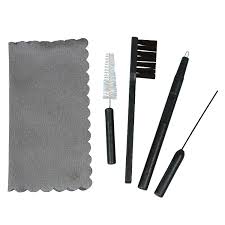
- Check the microphone ports and receiver opening for visible wax or debris, and gently brush them clean with the soft brush that came with your hearing aids.
- Open the battery door overnight if you use disposable batteries, or place rechargeable models in the charger, both let any trapped moisture evaporate.
- Never use water, alcohol, or cleaning wipes directly on your hearing aids. A dry or slightly damp cloth is all you need for the exterior.
Weekly
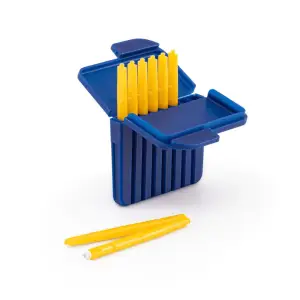
- Take a closer look at the wax guard or filter and replace it if it looks visibly clogged; don’t wait for sound quality to drop first.
- Inspect domes or earmolds for wax buildup or hardening, and clean them according to their specific material, we cover this in more detail in our domes and earmolds guide.
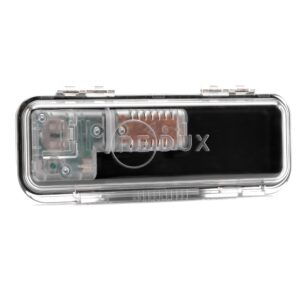
- If you use a dehumidifier or drying system, this is a good time for a deeper drying cycle, especially after a particularly sweaty or humid week.
When to Go Beyond the Basics
A daily wipe-down and weekly check handle most day-to-day maintenance, but a few situations call for more. If you live somewhere humid, sweat heavily, or wear hearing aids during exercise, a dedicated moisture system does more than air-drying alone. If you’re considering a pre-owned or consignment hearing aid, UV-C sterilization is the gold standard for a genuinely clean starting point. And if you’ve been sick, your hearing aids deserve some extra attention too.
Learn about filters and wax guards.
Compare hearing aid dryers and dehumidifiers.
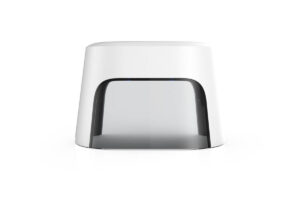
Learn about UV-C sterilization.
Cleaning domes and earmolds.