Domes and Earmolds: Sizing, Cleaning, and When to Replace Them
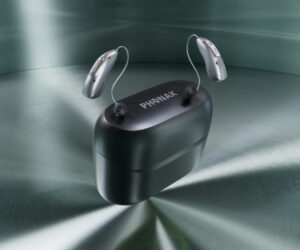
Domes and earmolds are the part of your hearing aid that actually sits in your ear canal, which means they’re also the part most directly exposed to earwax and moisture every single day, and the part most responsible for how your hearing aid actually sounds and fits. Getting the size right matters just as much as keeping them clean.
Understanding Dome Types and Sizing
Domes come in a few basic styles, and getting the right one is about more than comfort; it affects how well your hearing aid actually works.
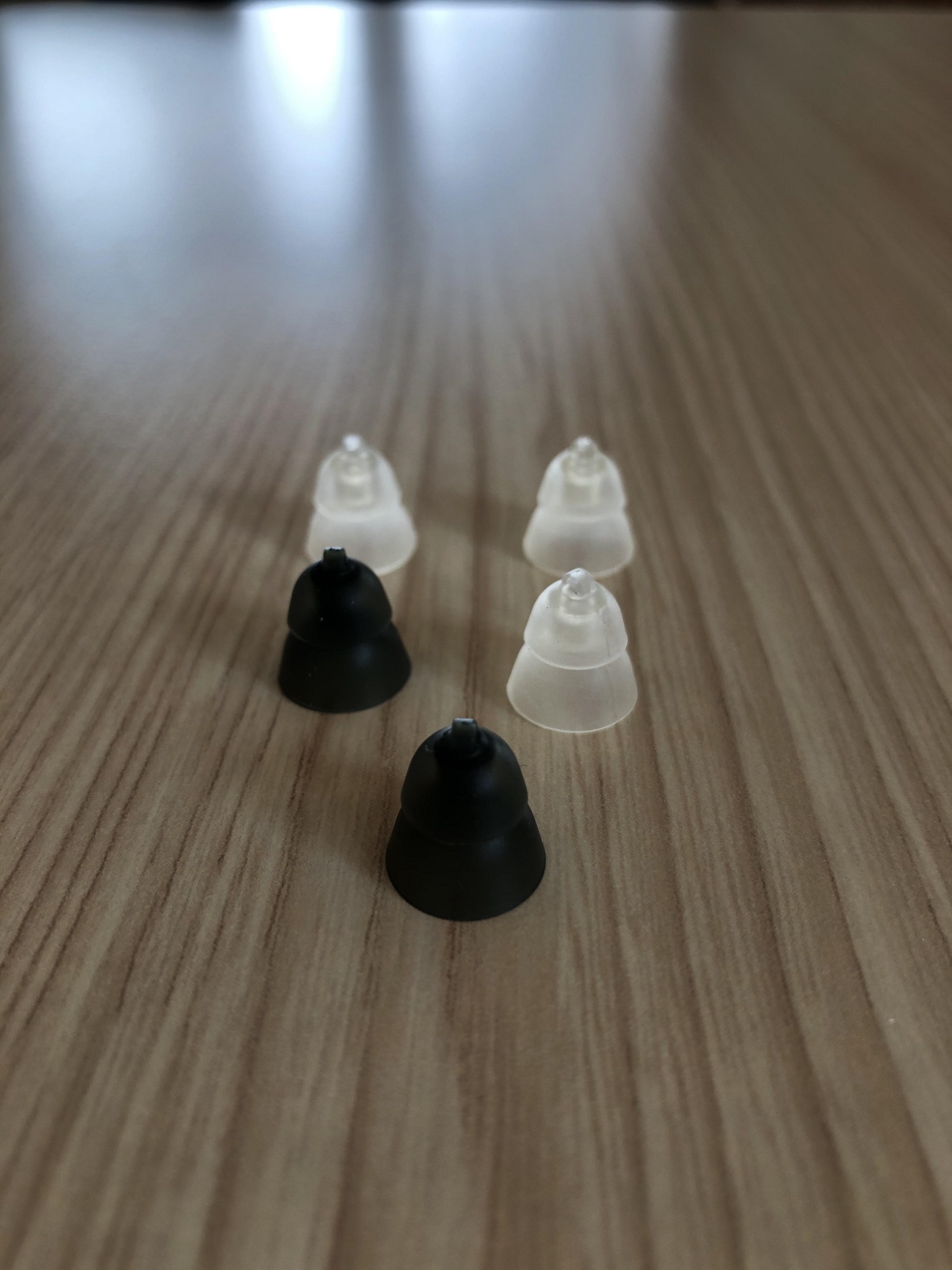
- Open domes have larger vents that let more natural sound into the ear canal alongside the amplified sound. They’re typically used for mild to moderate hearing loss and tend to feel less occluded, or plugged up, than closed domes.
- Closed or power domes seal the ear canal more fully, which reduces the amplified sound leaking back out. They’re generally used for moderate to severe hearing loss, where more amplification is needed and feedback is more likely without a tighter seal.
- Tulip or double domes use additional flanges for extra retention and a more secure seal, often for people who found a standard dome worked its way loose.
Within each style, domes come in a numbered size scale, typically small, medium, and large, or a numbered range depending on the manufacturer. The right size creates a snug, secure seal without being uncomfortable or difficult to insert. Your audiologist selects your starting size based on your ear canal and your hearing loss, but ears can change slightly over time, so it’s worth knowing the signs that your size may no longer be right.
Signs Your Dome Size or Fit Might Be Wrong
- Whistling or feedback: a dome that’s too small or has worked loose lets amplified sound leak out and get picked up by the microphone again, causing that whistling sound. We cover this in more detail in our guide to hearing aid feedback and chirping.
- A plugged, occluded feeling, or hearing your own voice too loudly: this often means the dome is too closed or too large for your current needs, trapping too much sound inside the ear canal.
- The dome falls out easily or doesn’t feel secure: this usually means it’s too small, or that it’s simply time for a fresh one, since domes can lose their shape and grip over months of use.
- Discomfort or pressure: a dome that’s too large for your canal can cause real irritation, especially with extended daily wear.
If any of these sound familiar, don’t just swap in a different size on your own. Contact us and we can help you figure out the right size and style for your specific hearing aid and hearing loss.
Cleaning Domes
Wipe domes with a dry or slightly damp cloth daily, and check for wax buildup inside the opening, since a clogged dome is one of the most common reasons for weak or muffled sound. Replace domes roughly every two to four weeks with regular use, sooner if you notice hardening, discoloration, or buildup that cleaning doesn’t fully clear. Domes are inexpensive and easy to swap yourself; most hearing aid users keep a small supply on hand rather than waiting until one fails.
Removing Your Dome to Check the Wax Guard
Many receiver-in-canal hearing aids have a separate wax guard or filter sitting just beneath the dome, protecting the receiver itself from wax and debris. If your dome looks clean but sound is still weak or muffled, the wax guard underneath is often the real culprit, and it’s worth checking on its own.
1. Gently grip the dome, not the thin wire or receiver, between your thumb and finger.
2. Pull the dome straight off the receiver with steady, gentle pressure. It should release without much resistance; avoid twisting or yanking, which can damage the receiver.
3. Look at the small opening on the receiver tip where the dome was attached. This is where the wax guard sits. Hold it up to the light and check for visible wax or blockage.
4. If a wax guard is visibly clogged, replace it using your hearing aid’s wax guard tool, following the same process covered in our filters and wax guards guide.
5. Once the wax guard is clear or replaced, push the dome firmly back onto the receiver until you feel or hear it click securely into place. A loose dome that isn’t fully seated is a common cause of sound cutting in and out.
If you’re ever unsure whether what you’re looking at is a wax guard, a filter, or just the receiver opening itself, don’t guess; bring your hearing aids in, and we’re glad to walk you through it in person, or set up a telehealth with one of our providers.
Custom Earmolds: Cleaning and Replacement
Custom earmolds, made from a physical impression of your ear canal, are more durable than domes but need a different cleaning approach. Wipe them daily with a dry cloth, and periodically clean them more thoroughly with mild soap and lukewarm water, making sure they’re completely dry before reattaching to your hearing aid. Never use alcohol or harsh solvents on an earmold, they can cause the material to crack or degrade over time.
Unlike domes, earmolds aren’t on a fixed replacement schedule. They typically last one to three years depending on material and wear, but should be professionally cleaned and checked periodically, and replaced sooner if they no longer fit comfortably, since ear canals can change shape gradually over time, especially in children.
Hearing whistling or feedback? See our full guide.
Learn about filters and wax guards.
Start with our daily cleaning routine.
Need help finding the right dome size? Contact us.