Moisture is the most consistent threat to hearing aid longevity and performance. Sweat, humidity, shower steam, rain, and the natural warmth of the ear canal all introduce moisture that accumulates in the device over time. The components most affected, microphones, receivers, and battery contacts, are also the most expensive to repair or replace.
A hearing aid dryer used every night is not an optional accessory. For anyone wearing hearing aids for more than a few hours a day, it is standard maintenance. This guide explains every dryer type, what each one does and does not do, and how to choose the right option for your situation.
Why Moisture Damages Hearing Aids
- Corrosion: moisture oxidizes the tiny metal contacts and components inside hearing aids, causing permanent damage over time.
- Short circuits: water and electronics do not mix. Even small amounts of moisture can cause intermittent short circuits that manifest as crackling, cutting out, or complete failure.
- Degraded performance: moisture in the microphone or receiver reduces sound quality before causing outright failure, the gradual decline that patients often attribute to the hearing aids aging rather than moisture accumulation.
- Battery issues: moisture significantly reduces battery life in both disposable and rechargeable systems, causing batteries to drain faster than expected.
The hearing aids most vulnerable to moisture damage are custom in-the-ear models, which sit entirely within the warm, humid ear canal all day. Active patients who sweat during exercise are the second-highest-risk group. For both, nightly drying is essential rather than optional.
The Three Types of Hearing Aid Dryers
Type 1: Desiccant (Dry-Aid) Kits
Desiccant dryers use silica gel or similar moisture-absorbing materials to draw moisture out of hearing aids passively over several hours. They are compact, portable, and require no power source.
- How they work: hearing aids are placed inside a sealed container with a desiccant material. Over six to eight hours, the desiccant absorbs ambient moisture from the device.
- Best for: travel, backup drying when power is unavailable, occasional mild moisture exposure.
- Limitations: passive absorption is slow and cannot reach moisture deep inside components. Desiccant must be replaced or recharged periodically. Not sufficient as the sole drying method for active wearers.
- Price range: budget-friendly, typically under $30. Ongoing cost for desiccant replacement.
- Recommended options: Audiologist’s Choice dry-aid kit, Zephyr Dry and Store.
Type 2: Electronic (Active) Dryers
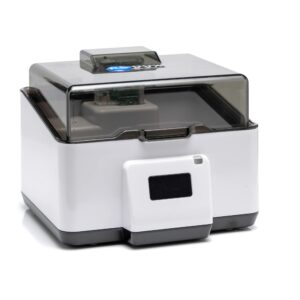
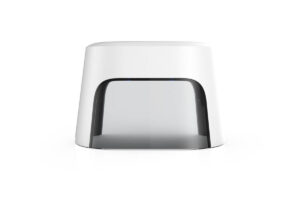
Electronic dryers use gentle heat, a low-power fan, or a combination of both to actively circulate warm air through and around hearing aids. They are more effective than desiccant kits and can remove moisture from areas passive absorption cannot reach.
- How they work: a heating element warms the air inside a sealed or semi-sealed chamber. Some models add a fan to circulate the warm air. The full cycle takes sixty to ninety minutes.
- Best for: daily use by active wearers, humid climates, patients who sweat during wear.
- Limitations: requires power. Cannot remove moisture from deep internal components the way vacuum drying can. Overnight use is recommended to allow a full cycle.
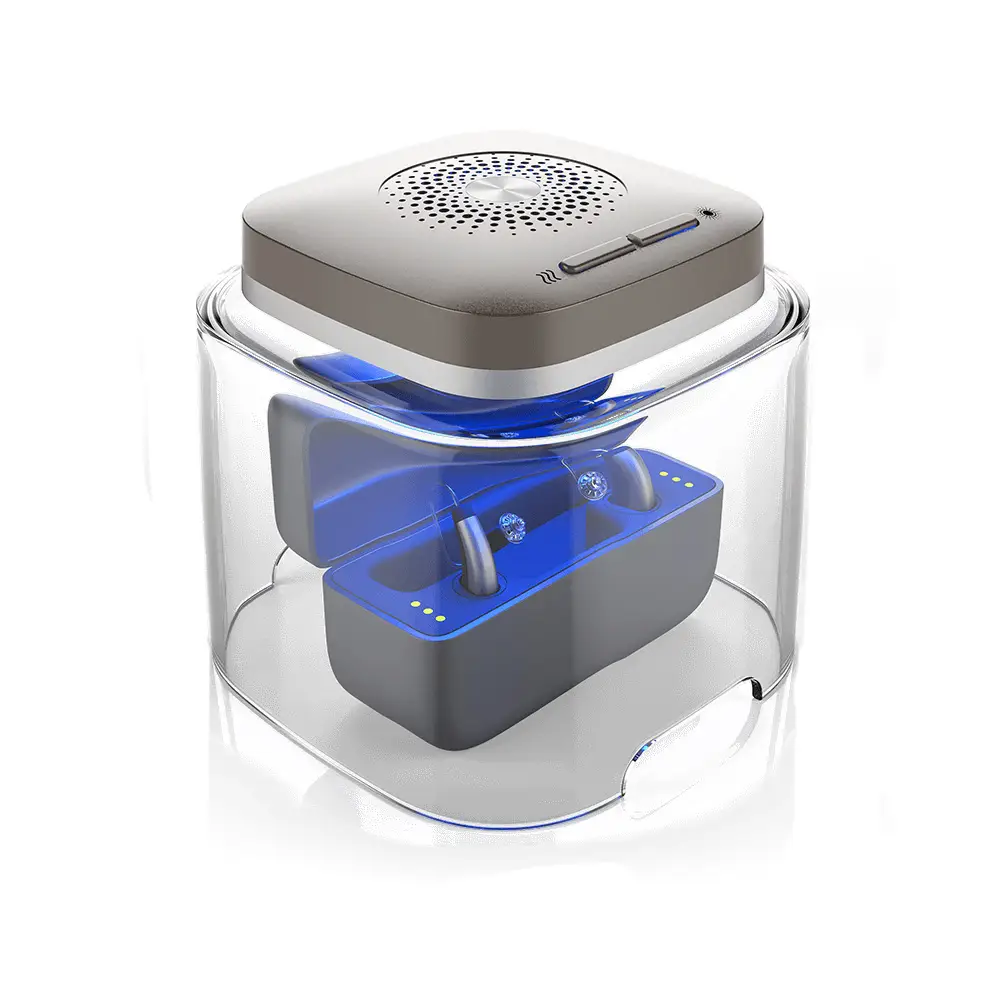
- UV-C option: many electronic dryers include UV-C light in addition to heat drying. UV-C eliminates bacteria and fungi on the hearing aid surface during the drying cycle. A meaningful hygiene benefit.
- Price range: moderate, typically $50 to $150 depending on features.
- Recommended options: PerfectDry Lux, Flo Med.
Type 3: Charger-Dryer Combinations
Several hearing aid manufacturers have integrated drying capability directly into their charging systems. These charge the hearing aids overnight while simultaneously drying them, eliminating the need for a separate drying step.
- Widex Charge N Clean: combines overnight charging with a UV-C cleaning cycle. Available for compatible Widex rechargeable models.
- Signia Dry&Clean Charger: charges IX and AX platform Signia RIC hearing aids while using UV-C and gentle heat to dry and sanitize.
- Oticon Smart Dryer: combines charging with active drying for compatible Oticon rechargeable models.
If your hearing aids are rechargeable and your manufacturer offers a charger-dryer combination, this is worth considering. The all-in-one approach eliminates a separate nightly step and ensures consistent drying without additional habits to build.
Type 4: Redux — Professional Vacuum Drying
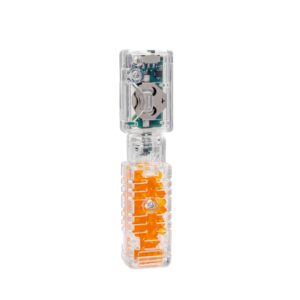
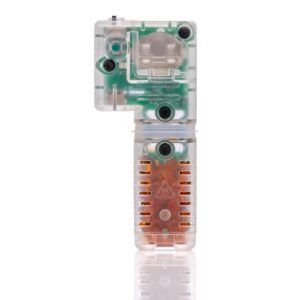
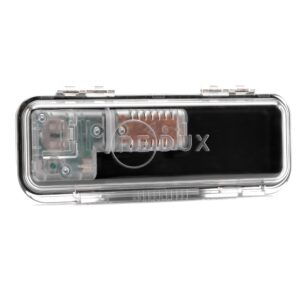
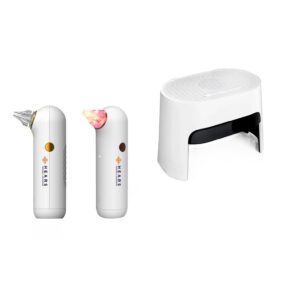
Redux occupies a separate category from all consumer dryers. It uses vacuum technology to lower the atmospheric pressure inside a sealed chamber, which causes moisture to evaporate at room temperature from components that heat and desiccant cannot reach.
Redux achieves moisture reduction to the microliter level. It can restore hearing aids that have failed due to moisture accumulation, including devices that have been through professional electronic and desiccant drying without recovery. Paul, a patient at Hears Hearing & Hearables, had hearing aids that were producing weak sound with batteries lasting only three days. A single Redux treatment restored sound quality and battery life without requiring a repair or replacement.
- Best for: hearing aids that have already accumulated significant moisture, devices that have been exposed to heavy sweat or water, periodic deep drying in addition to nightly home drying.
- Where to access: Redux is a professional clinic system. Hears Hearing & Hearables offers Redux treatment as a service. Home Redux units are also available for purchase.
- Cost: Professional treatment sessions are available at clinic pricing. Home units are a premium investment, see our Redux guide for current options and pricing.
- Our Redux products: See the category.
Comparison: Which Type Handles What
| Feature | Desiccant | Electronic | Charger-Dryer | Redux |
| Drying time | 6-8 hours | 60-90 min | Overnight | Minutes |
| Reaches deep components | Limited | Moderate | Moderate | Yes |
| UV-C sanitizing | No | Some models | Some models | Optional |
| Charges hearing aids | No | No | Yes | No |
| Power required | No | Yes | Yes | Yes |
| Portable for travel | Yes | Some models | Yes | Clinic |
| Rescues moisture-damaged aids | Limited | Moderate | Moderate | Best option |
| Cost | Budget ($) | Moderate ($$) | Moderate ($$) | Premium ($$$) |
Which Dryer Is Right for You
- Casual wearer in a dry climate: a desiccant dry-aid kit used nightly is adequate. Replace the desiccant regularly.
- Daily wearer in a normal environment: an electronic dryer used every night is the right baseline. UV-C is a worthwhile addition for hygiene.
- Active wearer, sweats during use, or humid climate: an electronic dryer nightly plus periodic Redux treatment at the clinic. Consider the Signia Dry&Clean or Widex Charge N Clean if your hearing aids are compatible.
- Rechargeable hearing aid owner: if your manufacturer offers a charger-dryer combination, that is the most convenient option; one device handles both charging and drying overnight.
- Hearing aids are already showing moisture symptoms: a professional Redux treatment first to remove accumulated moisture, then consistent nightly electronic drying going forward.
- Traveler: Pack a desiccant dry-aid kit as backup. Many electronic dryers are compact enough to travel with as well.
A Note on Dryer Lifespan
Hearing aid dryers last several years with regular use, but are not permanent. The heating element or desiccant in older units degrades over time. If your dryer is more than three to five years old and your hearing aids are experiencing moisture issues despite nightly drying, the dryer itself may be underperforming. Consider replacing it before concluding the hearing aids need repair.
Desiccant-based dryers require periodic replacement or recharging of the desiccant material. Check your specific model’s instructions. Electronic dryers generally require no consumable replacement but benefit from occasional cleaning of the chamber interior.
Not sure which dryer is right for your hearing aids and lifestyle? Hears Hearing & Hearables carries a range of hearing aid dryers and dehumidifiers, and can help you choose based on your specific devices and wearing habits. Contact the team before purchasing.
Frequently Asked Questions: Hearing Aid Dryers
Do I really need a hearing aid dryer if my hearing aids are waterproof?
Yes. IP68 water resistance means the hearing aid can withstand submersion in water up to a certain depth and duration during testing. It does not mean the device is immune to moisture accumulation from daily wear. Sweat, humidity, and ear canal moisture enter hearing aids gradually through normal use, regardless of IP rating. Even IP68-rated devices we have seen develop moisture-related problems without nightly drying. The IP rating protects against acute water exposure, a dryer protects against the chronic moisture that accumulates over months of daily wear.
What is the difference between a desiccant dryer and an electronic dryer?
Desiccant dryers use moisture-absorbing material to passively draw moisture out of hearing aids over six to eight hours. They require no power and are portable but cannot reach moisture deep inside components. Electronic dryers use gentle heat and airflow to actively remove moisture in sixty to ninety minutes and are more effective at reaching internal areas. For daily active wearers, electronic drying is the better choice. Desiccant kits are good for travel or as a backup.
What is the Redux system and is it worth it?
Redux is a professional vacuum drying system that lowers atmospheric pressure inside a sealed chamber, causing moisture to evaporate at room temperature from deep inside hearing aid components. It achieves moisture removal that heat and desiccant systems cannot match. It is particularly valuable for hearing aids that have already accumulated significant moisture and are performing poorly. A professional Redux session at the clinic can restore devices that appear damaged without requiring repair or replacement.
How often should I use my hearing aid dryer?
Every night without exception for daily wearers. Moisture accumulates gradually during each day of wear and needs to be removed before it reaches levels that affect performance or cause damage. A single night without drying will not cause immediate problems, but inconsistent drying over weeks and months is how moisture damage accumulates.
Can a hearing aid dryer fix moisture damage that has already occurred?
It depends on severity. A consumer electronic or desiccant dryer can restore mild moisture issues by removing accumulated moisture before it causes corrosion. For more significant moisture accumulation, a professional Redux treatment is more effective. Severe moisture damage that has caused corrosion or component failure requires professional repair regardless of drying. Starting nightly drying immediately after noticing moisture symptoms is always worth trying before seeking repair.
Which brands make charger-dryer combination units?
Several major manufacturers integrate drying into their charging systems. Widex offers the Charge N Clean for compatible rechargeable models. Signia offers the Dry&Clean Charger for IX and AX platform RIC hearing aids. Oticon offers the Smart Dryer for compatible rechargeable models. If your hearing aids are rechargeable and your manufacturer offers a combination unit, it is often the most convenient choice since it eliminates a separate nightly step.