
Hearing protection is sunscreen for your ears. You do not see the damage happening in the moment, but it accumulates, and once those hair cells in your inner ear are gone, they do not come back. Sound above 85 decibels, sustained over time, causes permanent noise-induced hearing loss, and the louder and more sudden the sound, the more dangerous it is.
This guide covers general noise protection, specialized protection for hunters and shooters, and protection for musicians, three groups with very different needs but the same underlying goal: protecting hearing without giving up the ability to function, perform, or enjoy the activity you are protecting your ears for.
Why Noise Protection Matters, Even If You Already Have Hearing Loss
If you already have hearing loss, protecting your remaining hearing is more important, not less. Damaged hair cells in the inner ear are more susceptible to further noise damage than healthy ones, which means existing hearing loss does not make you immune to additional harm. It makes you more vulnerable to it.
Fast, sharp, loud sounds, like gunfire or a sudden mechanical bang, are particularly dangerous because the tiny muscles in the middle ear that normally help dampen loud sound cannot react fast enough to protect you. By the time the protective reflex engages, the damaging sound has already happened.
What Noise Damage Actually Sounds Like
Noise-induced hearing loss typically affects high-frequency hearing first. This is why people with noise damage often describe a specific and frustrating experience: they can hear that someone is talking, but they cannot understand what is being said. The sounds are present but not distinguished from each other, particularly consonant sounds that carry much of speech clarity. This is different from simply needing things louder. Turning up the volume does not fix a clarity problem caused by frequency-specific damage.
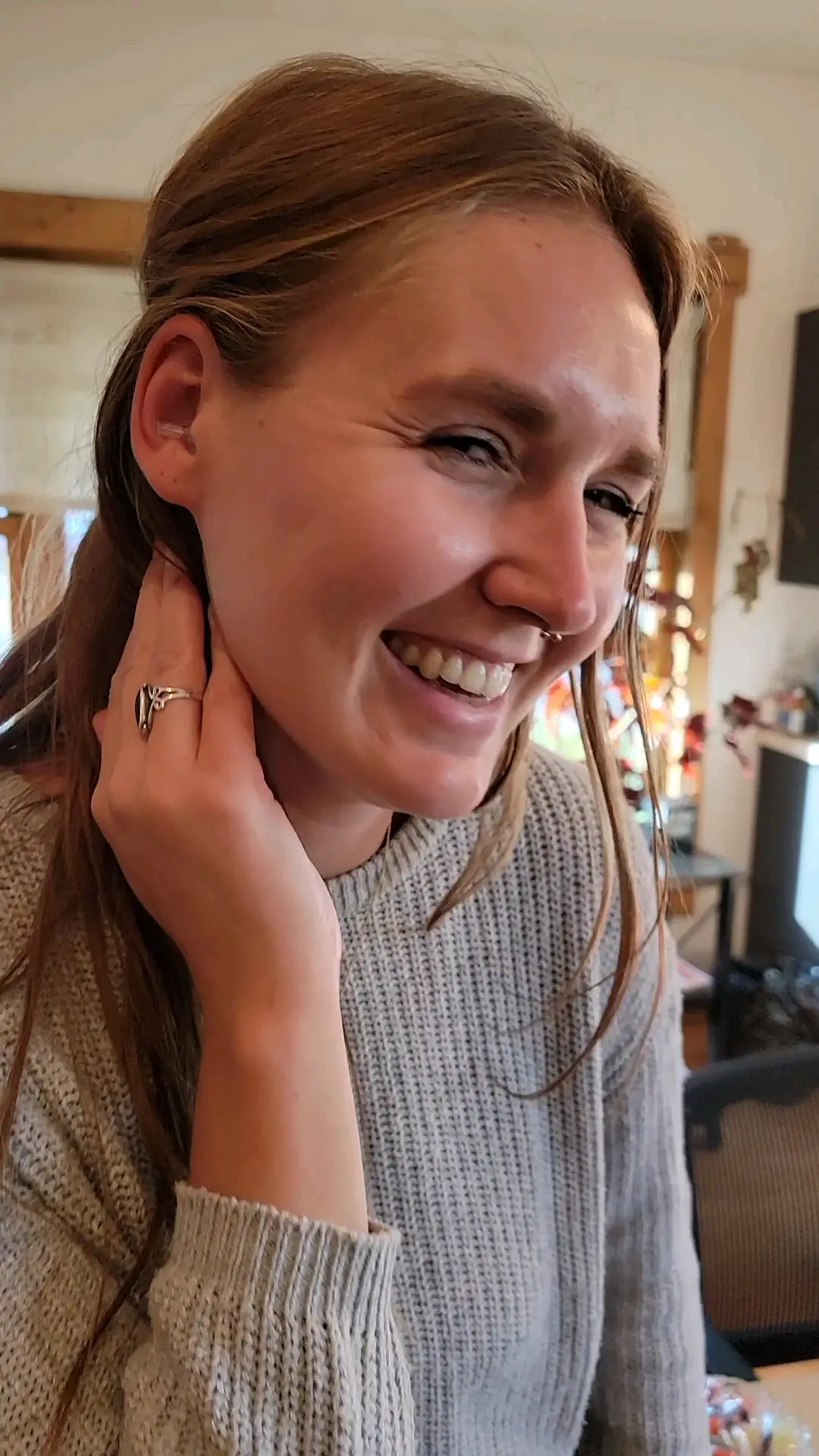
Custom earmolds can be made to your exact ear shape and are available in a range of colors. They are the most comfortable and effective protection for sustained noise exposure, whether at a concert, on a job site, or anywhere else you spend time above 85 decibels.
Hearing Protection for Hunters and Shooters
Gunfire produces some of the most damaging sound exposure a person can experience, both extremely loud and extremely sudden, which is exactly the combination that bypasses the ear’s natural protective reflex. Hunters and shooters need protection that does something standard earplugs cannot: let you hear quiet sounds normally while blocking the dangerous peak of a gunshot.
Active Electronic Hearing Protection
Active electronic hearing protection, sometimes worn as a custom or non-custom in-the-ear device, amplifies soft sounds like footsteps or a quiet voice while instantly suppressing the sound the moment a loud, sharp noise occurs. This fast attack time is the key feature; the electronics react far faster than the ear’s natural muscles can. These devices are generally mild-gain and best suited to people with normal hearing or mild hearing loss, not significant hearing loss.
Passive Hearing Protection
Passive protection offers a more straightforward, non-electronic option, with different levels of noise reduction depending on the product. The XCOR True Wireless Digital Hearing Protection is one option we carry that combines digital processing with a passive protection approach.
Ask our team about hunting and shooting protection. We carry both custom and non-custom options across a range of price points, and the right choice depends on your hearing, your shooting environment, and how much amplification of quiet sound you want while protected.
Hearing Protection for Musicians
Musicians face a different problem than hunters. The danger is not a single sudden sound, it is sustained loud exposure over hours, both from their own instrument and from standing close to other loud instruments on stage. The challenge is protecting hearing without losing the ability to hear the music clearly, including pitch, tone, and the subtle dynamics that matter for performance.
Standard foam earplugs are a poor solution for musicians because they reduce high frequencies far more than low frequencies, which muffles and distorts the sound rather than simply making it quieter. Musician earplugs solve this differently.
Musician Molds With Filters
Musician molds use a flat attenuation filter, reducing the overall decibel level evenly across frequencies rather than disproportionately cutting highs. The result is music that sounds smaller but not distorted, no frequency is blocked more than any other. Filters are available in different attenuation strengths, from mild to stronger reduction, and molds can be custom-fitted to the musician’s ear or purchased non-custom.
The Minuendo Adjustable Hearing Protection is one option we carry that allows the wearer to adjust attenuation level in real time depending on the volume of the performance.
We carry affordable non-custom hearing protection for musicians as well as custom options. Consult our team about which attenuation level and fit type makes sense for your instrument, your venue, and how often you perform.
Custom Hearing Protection Molds: Who Needs Them and What They Cost You in Attenuation
A custom hearing protection mold is exactly what it sounds like, a small mold made from an impression of your own ear canal, typically silicone or another malleable material, fitted precisely to you rather than to a generic size. Custom molds outperform standard earplugs in three ways: a better seal because they match your exact ear canal shape, more consistent noise reduction as a result, and for musicians specifically, a flatter frequency response that preserves the way music actually sounds rather than just muffling it.
- Attenuation levels for musician filters: typically available at 9, 15, and 25 dB, allowing you to choose how much reduction you want depending on the loudness of your specific performance environment.
- Comfort and discretion: custom molds are small, mostly unnoticeable, and easy to clean given the materials used.
Who Needs Custom Molds Most
- Daily occupational noise exposure: musicians, construction workers, mechanics, and dentists are among the professions that involve close, frequent contact with loud equipment and constant vibration, the combination most likely to cause permanent damage over a career.
- Frequent recreational exposure: hunters, regular concertgoers, arena attendees, and anyone who attends firework displays on a recurring basis face the same cumulative risk from repeated loud booming exposure.
A custom mold impression takes a skilled, gentle hand to get right. Kim Fishman at Hears to U Audiology has taken ear canal impressions for nearly three decades and can fit you for custom hearing protection at our Hopkins, Minnesota clinic.
Hearing Protection for Swimming and Water Activities
Swim protection solves a different problem than noise protection, keeping water out of the ear canal rather than blocking sound, but it is worth covering here since custom-made options work the same way as noise protection molds. Custom waterproof swim plugs create a tight seal against water entry, helping prevent swimmer’s ear and other water-related ear infections. Standard silicone earplugs are a more affordable non-custom alternative for occasional swimming.
Shop swim plugs and water protection
Hearing Protection for Kids
It is easy to focus on protecting your own ears at a loud event and forget that a small child standing right next to you is experiencing the exact same noise level with a smaller, more vulnerable set of ears. School concerts, fireworks displays, sporting events, holiday gatherings with a crowd of carolers or a loud Santa event, all of these add up the same way for kids as they do for adults, often faster, since children’s ear canals and developing auditory systems are more sensitive to sustained loud exposure.
Kids’ hearing protection comes in a few practical forms:
- Earmuffs sized for children: the simplest option for younger kids who may not tolerate inserted earplugs well, easy to put on and take off quickly between loud moments.
- Foam or silicone earplugs in smaller sizing: a good option for older children and teens who can manage insertion and removal independently.
- Custom molds for children with frequent exposure: for kids in band, youth sports with loud crowds, or families who attend frequent loud events, a custom-fitted option provides the same comfort and consistency benefits as it does for adults.
Pack hearing protection the same way you pack snacks and wipes, as a standing item in the diaper bag, the car, or your own bag, ready for the moment you need it, rather than something you remember only after the ringing starts. Contact us for sizing and recommendations appropriate for your child’s age.
The Health Risks of Unprotected Noise Exposure
Hearing protection does more than prevent hearing loss directly. Sustained loud noise exposure is also linked to tinnitus, elevated stress, sleep disruption, and, according to a growing body of research, increased cardiovascular risk from the stress hormone response that chronic noise exposure triggers. None of this means every loud event is dangerous; it means consistency matters: the same way sunscreen protects against cumulative sun damage rather than just a single afternoon, hearing protection protects against cumulative noise damage that builds quietly over years before it becomes noticeable.
Choosing the Right Protection for You
- Everyday loud environments (concerts, job sites, power tools): custom earmolds, available in your choice of color, offering comfortable all-day protection.
- Hunting and shooting: active electronic protection if you want to maintain situational awareness and hear quiet sounds between shots, passive protection like XCOR if you want a simpler non-electronic option.
- Performing or rehearsing music: musician molds with flat attenuation filters, custom or non-custom, or an adjustable option like Minuendo for varying performance volumes.
- Existing hearing loss plus noise exposure: protection matters more, not less. Contact us to discuss options that work alongside your current hearing aids or hearing loss specifically.
Ready to talk through hearing protection options for your specific situation, whether that is hunting season, an upcoming tour, or a noisy workplace? Contact Hears Hearing & Hearables. We carry custom and non-custom solutions across every category covered here.
Frequently Asked Questions: Hearing Protection From Noise
At what decibel level should I start protecting my hearing?
Sustained exposure above 85 decibels can cause hearing damage over time, and the louder the sound, the less exposure time it takes to cause harm. A loud concert, power tools, motorcycles, and gunfire can all exceed this threshold significantly. If you have to raise your voice to be heard by someone an arm’s length away, the environment is likely loud enough to warrant protection.
Should I wear hearing protection if I already have hearing loss?
Yes, and it matters more than ever. Hair cells already damaged by hearing loss are more vulnerable to further noise damage, not less. Protecting your remaining hearing is one of the most important things you can do if you already have some degree of hearing loss.
Why can’t I just use foam earplugs for shooting or music?
Standard foam earplugs work by blocking sound fairly uniformly but tend to muffle high frequencies more than low ones, which distorts speech and music clarity rather than simply reducing volume. For shooting, foam plugs also cannot react fast enough to protect against a sudden gunshot while still letting you hear quiet sounds, which is why active electronic protection exists. For music, this frequency-uneven blocking is why dedicated musician molds with flat attenuation filters perform better than foam.
What is the difference between custom and non-custom hearing protection?
Custom protection is molded to the exact shape of your individual ear canal, offering the best comfort and seal for extended wear, available in a range of colors. Non-custom protection uses standard sizing and is more affordable, often a good starting point before investing in a custom option. Both can be effective depending on the product and your specific needs, contact us to discuss which makes sense for you.
Can hearing protection help me hear better while still protecting my ears?
Yes, for specific situations. Active electronic hearing protection for hunters and shooters amplifies quiet sounds like footsteps or conversation while instantly suppressing dangerous loud peaks like gunfire. Musician molds with filters reduce overall volume evenly without disproportionately muffling specific frequencies, preserving the clarity of the music. Both are designed to protect without sacrificing your ability to function in the environment you are protecting yourself in.
💙



