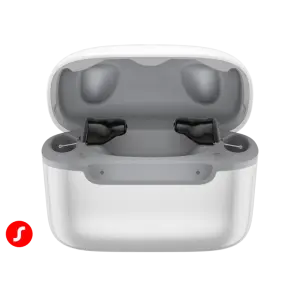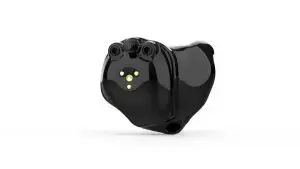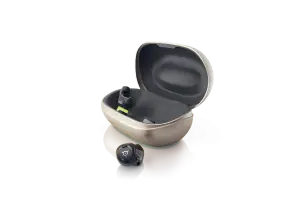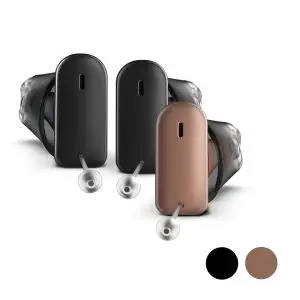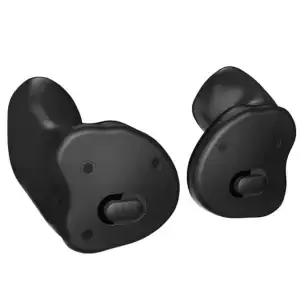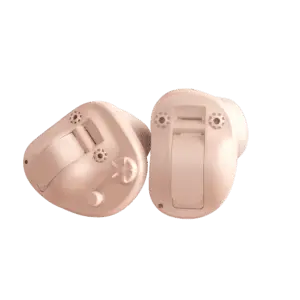
Custom hearing aids are built to fit the unique contours of your own ear, based on an impression an audiologist takes directly from your ear canal. That personalized fit is what sets them apart, and it comes with real tradeoffs worth understanding before you choose one.
Custom devices come in a range of styles, from In-the-Ear (ITE) down to Invisible-in-the-Canal (IIC). We cover exactly what each style looks like, and a full comparison of current custom ITE models, in our in-the-ear hearing aid guide. Here, we’re covering what actually makes a device “custom,” how that differs from a standard-fit OTC device, and what custom fit means for comfort, sound, and day-to-day maintenance.
Custom Fit vs. Standard-Fit OTC
A standard-fit OTC hearing aid is designed to fit a wide range of ear shapes using adjustable components like soft silicone domes, without any custom molding. That makes them quicker and more affordable to get, since there’s no ear impression or manufacturing lead time involved. Most OTC devices are also self-fitting, meaning you adjust volume and program settings yourself, often through a smartphone app, rather than having a professional program the device to your audiogram.
Prescription custom hearing aids work differently. A hearing care professional programs the device to your specific hearing loss based on a full hearing test, and the physical shell itself is built from an impression of your ear canal. That combination, custom programming plus custom fit, is generally what makes prescription custom devices more effective for more complex or significant hearing loss, though it also means a longer process to get one and a higher price point.
The Occlusion Effect: Why a Snug Fit Can Feel Strange at First
Custom hearing aids, because they fill more of the ear canal than an open-fit device, can produce something called the occlusion effect. When the ear canal is more fully sealed, your own voice can suddenly sound louder, boomier, or more resonant to you, almost like speaking with your fingers in your ears or talking inside a barrel. That’s the occlusion effect, and it’s a normal, well-understood response to sealing the canal, not a sign anything is wrong with the device.
If you notice this, a feeling of fullness, pressure, or your own voice sounding too loud or strange, it’s worth mentioning at a follow-up appointment. Adjustments to the fit or the venting can meaningfully reduce or eliminate that sensation.
Why Custom Devices Take More Upkeep
The same small, precisely fitted components that make custom hearing aids comfortable and discreet also make them more work to maintain than a larger behind-the-ear device. Their compact size and deeper placement in the ear canal put them in more direct contact with earwax and moisture, which means they’re more prone to buildup-related issues, and their smaller components are genuinely harder to clean without the right tools.
Repairs work differently too. Because of their custom shell and compact internal components, many issues on a custom device can’t be resolved in a typical clinic visit the way they often can on a larger device, they need to go back to the manufacturer. That can mean a longer stretch without your hearing aids while repairs are completed, which is worth factoring in if you’re deciding between a custom style and a less compact alternative.
Battery Options for Custom Hearing Aids
Custom hearing aids have traditionally used small disposable zinc-air batteries, in sizes like 10, 312, or 13 depending on the model. Rechargeable lithium-ion options have become increasingly common, including in several current custom devices from Starkey, Signia, and Rexton, offering all-day power on a single charge without the hassle of handling small disposable batteries.
Weighing the Tradeoffs
- Comfort and fit: built to your exact ear shape, generally more comfortable and secure than a non-custom device.
- Discretion: styles like CIC and IIC are among the least visible hearing aid options available.
- Cost: custom manufacturing means a higher price than most non-custom options.
- Maintenance and repair: smaller components require more careful cleaning, and many repairs require sending the device back to the manufacturer.
Choosing between a custom device and a non-custom or OTC option comes down to your specific hearing loss, budget, lifestyle, and how much you value discretion versus ease of maintenance. That’s exactly the kind of decision worth talking through with a professional rather than guessing at on your own.
See our full guide to in-the-ear hearing aid styles and current models.
Not sure if custom or OTC is right for you? Contact us.