If your workplace is loud, hearing protection is not a nice-to-have; it is a legal requirement with specific thresholds, specific monitoring obligations, and real consequences for getting it wrong. We get calls from safety managers and HR teams who inherited a hearing conservation program nobody fully explained to them, and we get calls from employees whose employer never set one up at all. This post is for both of you.
Here is what OSHA actually requires, what a hearing conservation program needs to include, and where we fit in if you need help executing any part of it.
The 85 Decibel Threshold, and Why It Is Lower Than You Think
OSHA’s action level for hearing conservation is an 8-hour time-weighted average of 85 decibels. That number sounds abstract until you realize how many ordinary workplaces hit it without anyone noticing, a busy commercial kitchen, a print shop, a warehouse running forklifts and packing equipment all day, a dental office with multiple high-speed drills running near simultaneously. You do not need to run a foundry to trigger OSHA’s requirements.
Above 85 dB averaged over an 8-hour shift, OSHA requires employers to implement a hearing conservation program. Above 90 dB, hearing protection is mandatory, not optional, and exposure time limits apply, the louder the environment, the less time an employee can legally spend in it without protection.
A rule of thumb that holds up surprisingly well: if two people standing three feet apart have to raise their voices to hear each other clearly, the environment is very likely at or above 85 decibels. It is not a substitute for an actual sound level measurement, but it is a fast way to know whether you need one.
What a Hearing Conservation Program Actually Has to Include
OSHA’s hearing conservation standard (29 CFR 1910.95) is specific about what counts as compliance. A program is not just handing out a box of foam earplugs and calling it done.
Noise Monitoring
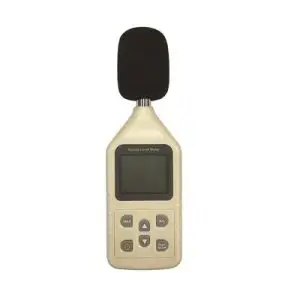
Employers must measure noise levels in areas where exposure may approach or exceed the action level. This identifies which employees need to be enrolled in the hearing conservation program and which job functions or zones require protection.
Audiometric Testing
Employees exposed at or above the action level must receive a baseline hearing test within six months of first exposure, followed by annual testing to monitor for any standard threshold shift, a meaningful change in hearing from the baseline. This is the part of the program most often skipped or allowed to lapse, and it is also the part most likely to catch a problem before it becomes permanent and litigable.
Hearing Protection, Provided and Enforced
Employers must provide hearing protectors at no cost to employees exposed at or above the action level, and must ensure they are actually worn, not just available in a bin by the door. A variety of options should be offered so employees can choose protection that fits comfortably enough to actually wear consistently. Protection that gets pushed into a pocket because it is uncomfortable is not protection.
Training
Employees must be trained annually on the effects of noise, the purpose and proper use of hearing protectors, and the purpose of audiometric testing. This is not a one-time onboarding checkbox, it is an ongoing requirement.
Recordkeeping
Noise exposure measurements and audiometric test records must be retained, exposure records for two years, audiometric test records for the duration of employment. These records matter enormously if a hearing loss claim is ever filed.
The most common compliance gap we see is not the absence of a program, it is a program that exists on paper but has quietly lapsed. Annual audiometric testing gets skipped during a busy year. Training becomes a five-minute mention at an all-hands instead of real instruction. Hearing protection sits in a supply closet instead of being issued and tracked. None of this shows up as a problem until an employee files a claim or OSHA shows up for an inspection, at which point the gap is very expensive to discover.
Choosing Hearing Protection for a Workplace Program
Not all hearing protection is appropriate for every workplace, and the right choice depends on the noise profile and the job.
- Foam or silicone disposable earplugs: lowest cost, suitable for environments with consistent moderate noise, requires consistent correct insertion to be effective, which is worth building into training rather than assuming.
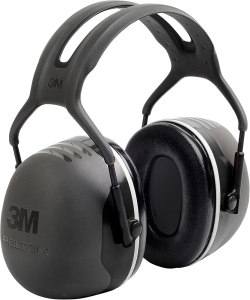
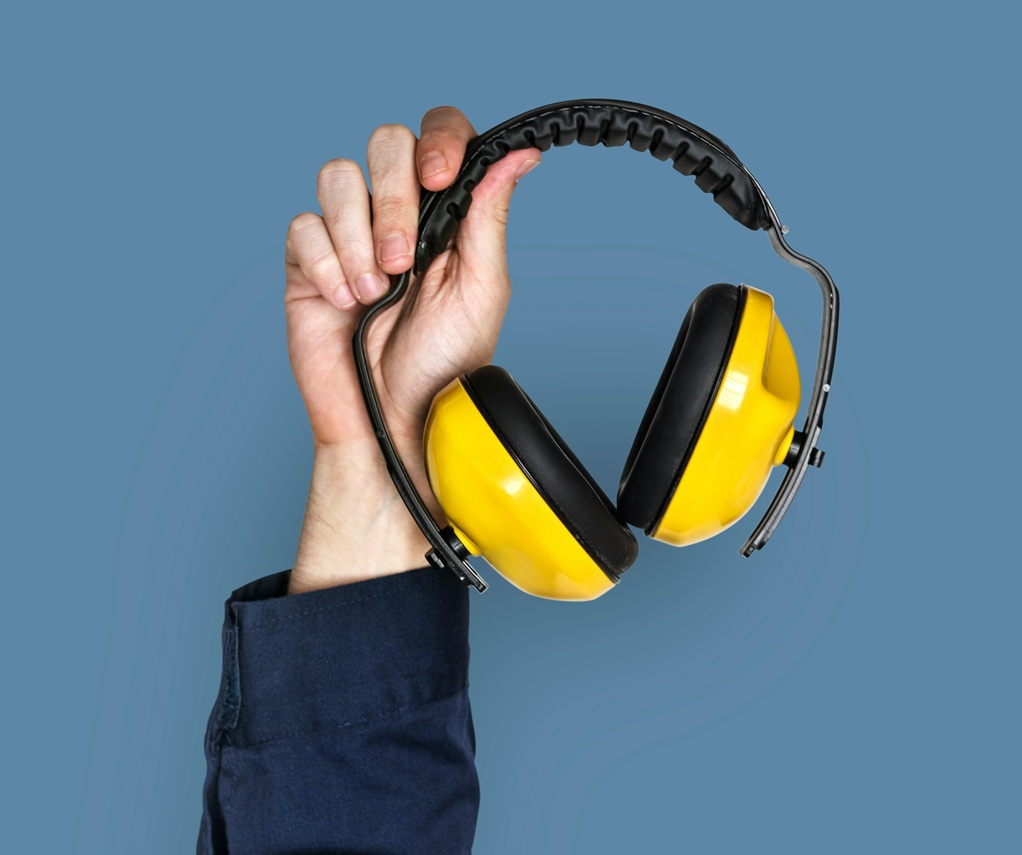
- Earmuffs: easier to fit correctly than earplugs, a good option for environments with intermittent noise where workers move in and out of loud zones, or for employees who struggle with plug insertion.
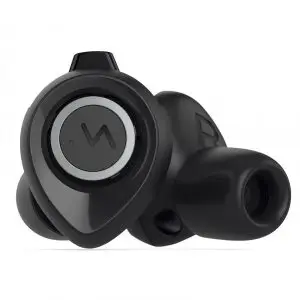
- Custom molded earplugs: higher upfront cost per employee, but better comfort and consistency for employees who wear protection all day, every day, which often means better actual compliance since comfortable protection gets worn and uncomfortable protection gets removed.
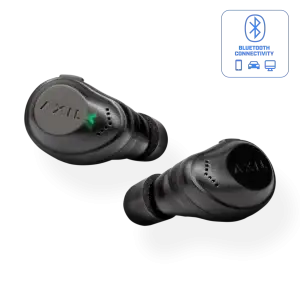
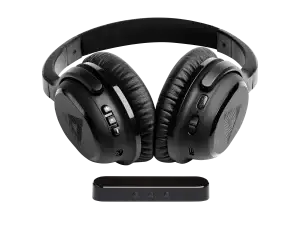
- Electronic and communication-enabled protection: for environments where workers also need to hear instructions, alarms, or communicate with each other, like construction sites or industrial settings with team coordination needs.
If your current program relies on one generic option handed out at orientation, that is worth revisiting. The cheapest protection on paper is not cheap if half your workforce is not actually wearing it.
How This Connects to ADA Accommodation
Hearing conservation and ADA accommodation are related but distinct obligations. An employee who already has hearing loss, whether work-related or not, may need different or additional accommodations, hearing aid compatible communication systems, visual alert systems, or specific protection that works alongside hearing aids rather than over them. We have written separately about ADA workplace accommodation for employees with existing hearing loss, which is worth reading alongside this post if your workforce includes both noise exposure concerns and employees who already wear hearing aids.
Where We Fit In
We work with employers directly on hearing conservation programs, custom hearing protection fittings for employees with daily noise exposure, and guidance on choosing protection that actually gets worn rather than just purchased. If you are building a program from scratch, auditing an existing one that has quietly lapsed, or need to outfit a specific team with custom protection, we can help with the audiology side of compliance.
Building or auditing a hearing conservation program, or need to outfit your team with hearing protection that will actually get worn? Contact Hears Hearing & Hearables. We work directly with employers on workplace hearing health.
Frequently Asked Questions: OSHA Hearing Protection Requirements
At what noise level does OSHA require hearing protection?
OSHA’s action level is an 8-hour time-weighted average of 85 decibels, above which employers must implement a hearing conservation program including monitoring, testing, and training. Above 90 decibels, hearing protection becomes mandatory rather than optional, with specific exposure time limits depending on the noise level.
Does OSHA require annual hearing tests for employees?
Yes, for employees exposed at or above the 85 decibel action level. A baseline hearing test is required within six months of first exposure, followed by annual audiometric testing to monitor for any standard threshold shift from that baseline.
Who pays for hearing protection required under OSHA?
The employer. OSHA requires that hearing protectors be provided to employees at no cost when exposure is at or above the action level, and that employees be offered a variety of suitable options rather than a single mandatory type.
What records does an employer need to keep for hearing conservation compliance?
Noise exposure measurement records must be retained for two years. Audiometric test records must be retained for the duration of the employee’s employment. These records are critical if a hearing loss claim is filed, since they establish the baseline and ongoing monitoring history.
Can custom hearing protection help with workplace compliance, not just comfort?
Yes, indirectly but meaningfully. Hearing protection only works if it is actually worn consistently, and the most common reason employees remove or avoid protection is discomfort. Custom-molded protection, fitted to the individual employee, tends to see better real-world compliance than generic disposable options, particularly for employees with all-day, every-day exposure. Better actual usage is the difference between a program that looks compliant on paper and one that actually prevents hearing loss.
💙