Understanding ADA Rights for People with Hearing Loss
The Americans with Disabilities Act (ADA) is a critical piece of legislation that protects individuals with disabilities, including those with hearing loss, from discrimination in various aspects of life. Enacted in 1990, the ADA ensures equal opportunities in employment, public accommodations, transportation, and government services. For individuals with hearing loss, this means access to reasonable accommodations that enable effective communication and equal participation in the workplace and other public settings.
Rights Under the ADA for Individuals with Hearing Loss
The ADA mandates that employers, businesses, and public entities provide reasonable accommodations for individuals with hearing loss. Some of these accommodations include:
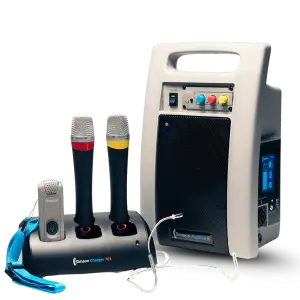
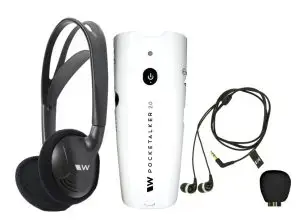
- Workplace Accommodations: Employers must provide reasonable modifications, such as assistive listening devices, captioned telephones, and visual alert systems. Employees cannot be forced to work in conditions that prevent effective communication or endanger their safety.
- Communication Access: Businesses and public services must offer effective communication options for people with hearing loss. This includes captioning services, sign language interpreters, written notes, or other means necessary for accessibility.
- Telecommunications Access: The ADA requires telephone companies to provide relay services, such as Video Relay Service (VRS) or Text Telephone (TTY), ensuring that people with hearing loss can communicate effectively.
- Public Spaces and Transportation: Public venues, including theaters, hospitals, and government buildings, must provide assistive listening systems or other accommodations to ensure access to hearing.
- Education and Training: Schools, universities, and training programs must provide accommodations like real-time captioning, assistive technology, and modified learning environments to support students and trainees with hearing loss.
A Real-World Challenge: Denial of Accommodations in the Workplace
Despite the ADA’s protections, some employers fail to provide necessary accommodations, leaving employees with hearing loss in difficult situations. One of our patients, who has severe hearing loss, experienced this firsthand at his workplace, a high-noise environment requiring hearing protection.
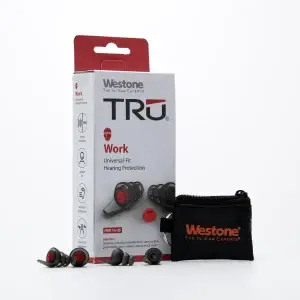
His employer mandated that he remove his hearing aids and wear standard hearing protection. However, removing his hearing aids completely cut him off from communication, making it unsafe and impractical for him to perform his job effectively. When he refused to remove his hearing aids without an alternative solution, he was suspended from work. This decision failed to consider reasonable accommodations under the ADA.
Understanding his rights, we connected him with one of our trusted employment rights lawyers. Together, we helped him develop a set of accommodations that could allow him to work safely while maintaining communication. We recommended that he:
- Turn down the microphones on his hearing aids or mute to minimize noise exposure.
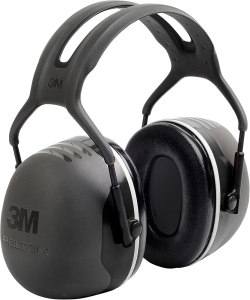
- Use noise-protecting headphones over his hearing aids for hearing protection.
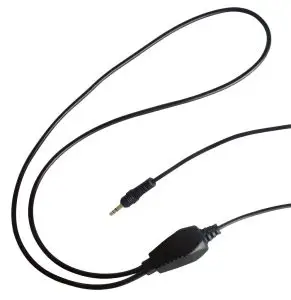
- Utilize a remote microphone paired with his hearing aid app to communicate with colleagues safely.
These recommendations strike a balance between hearing protection and effective communication, meeting both safety and accessibility needs. However, his employer remains resistant to using any electronic devices, posing an ongoing legal and ethical challenge.
What’s Next?
This case highlights the importance of ADA rights enforcement and the need for employers to recognize viable solutions for employees with hearing loss. If this employer refuses to accommodate, they may be in violation of the ADA, potentially facing legal consequences.
If you or someone you know is facing similar workplace challenges, remember that the ADA is in place to protect you. Consult with an employment rights attorney and explore assistive technologies that allow you to work safely and effectively. No one should have to choose between their job and their ability to hear.
We advocate for hearing accessibility and provide resources to help individuals navigate these challenges. If you need guidance, we’re here to help whether you are an employer or an employee.
Thank you!