Ear Dryers for Swimmer’s Ear and Trapped Water
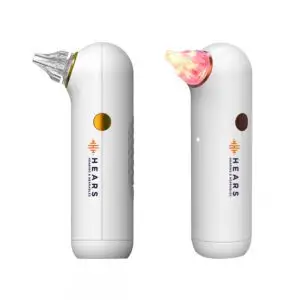
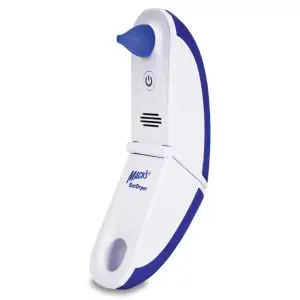
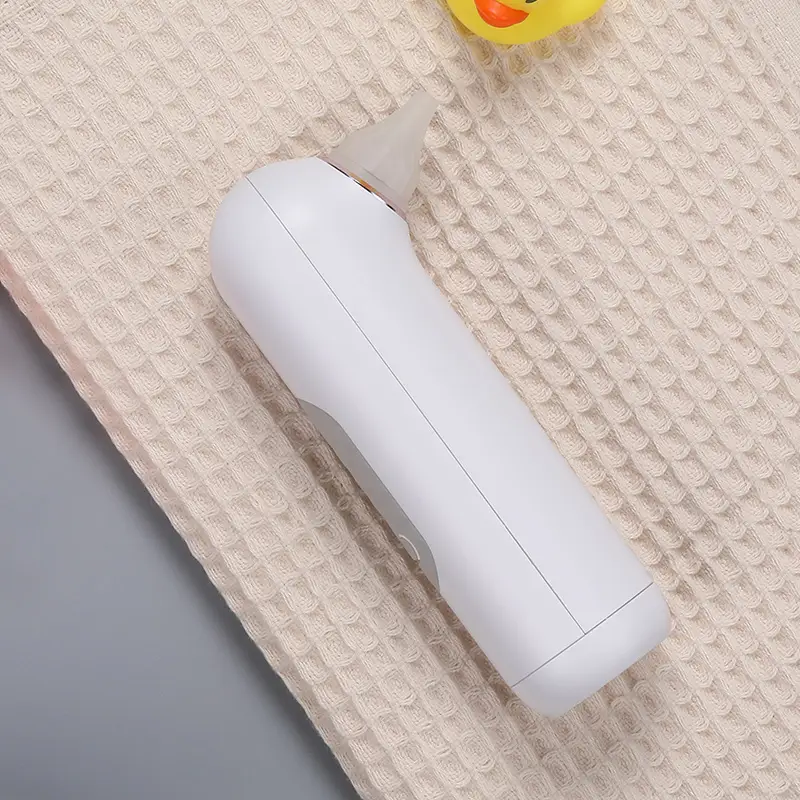
If you’ve ever gotten out of the pool or the shower with water stuck in your ear, you know the uncomfortable, muffled feeling that comes with it. Left alone, trapped moisture in the ear canal creates the perfect environment for swimmer’s ear, an infection of the outer ear canal. A personal ear dryer is a small, handheld device built specifically to solve this.
This is different from a hearing aid dryer, which removes moisture from a hearing aid device. An ear dryer is used directly on your ear, to dry the ear canal itself.
How Ear Dryers Work
Most personal ear dryers use a gentle stream of warm, low-pressure air directed into the ear canal to evaporate trapped moisture, without the force or heat of a standard hair dryer, which can be uncomfortable or even risky used incorrectly. Some models are designed specifically for swimmers, divers, and people who are simply more prone to trapped water or recurring swimmer’s ear.
Safer DIY Options If You Don’t Have One
- Tilt your head to the side and gently pull your earlobe to help straighten the canal, which can let trapped water drain on its own.
- Lie on your side for a few minutes with the affected ear facing down.
- If you use a standard hair dryer, hold it several inches away on the lowest heat and speed setting, never close to the ear or on a high setting.
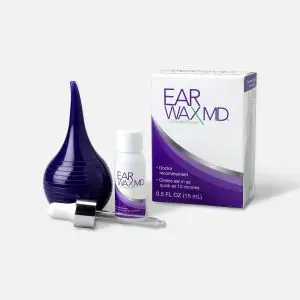
- Over-the-counter swimmer’s ear drops, typically a mix of alcohol and vinegar, can help dry the canal and restore its normal acidity, but shouldn’t be used if you have a perforated eardrum, ear tubes, or any active infection.
See a Doctor If: if water won’t drain after a day or two, you develop ear pain, itching, redness, or discharge, or your hearing feels muffled beyond just the trapped water, see a doctor rather than continuing to try to dry it out at home. That combination can signal swimmer’s ear starting, which is easily treated early but can worsen without treatment.
Read our full guide to ear care for swimmers.
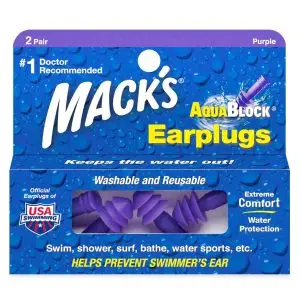
If you have a perforated eardrum, water protection works differently.
Have ear pain that isn’t improving? Contact us or call your local doctor.