
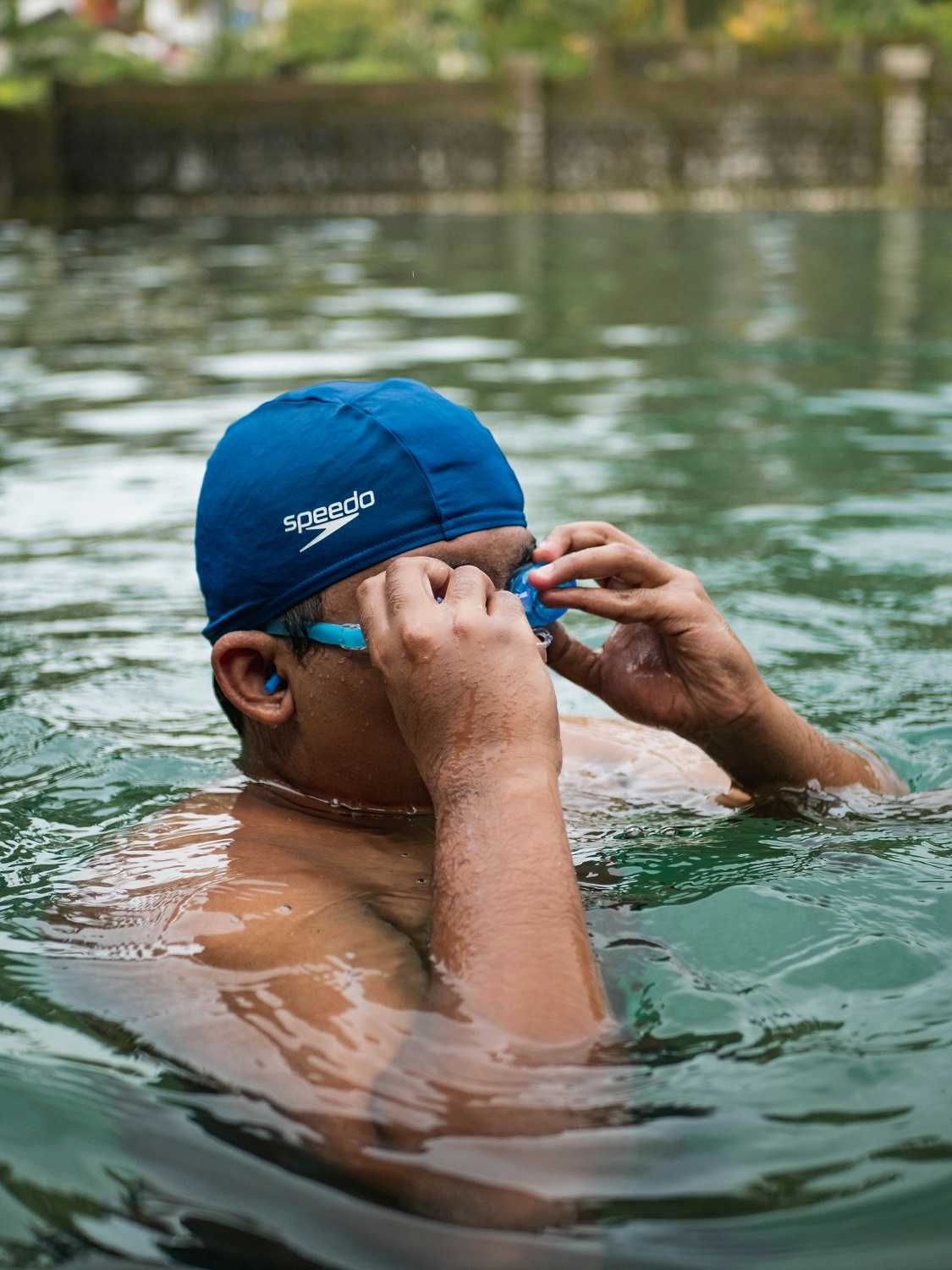
Protecting a Perforated Eardrum from Water
A perforated, or ruptured, eardrum is a small tear or hole in the thin membrane that separates your outer ear from your middle ear. It can happen from an ear infection, sudden pressure changes, injury, or aggressive cleaning with something like a cotton swab. Many perforations heal on their own within a matter of weeks, but while it’s healing, keeping water out of that ear matters more than usual.
Why Water Is Riskier with a Perforation
Normally, the eardrum acts as a barrier that keeps water in the outer ear canal from reaching the middle ear. With a perforation, that barrier has a gap, which means water, and anything in it, can get through to the middle ear, raising the risk of infection and potentially slowing healing. This is exactly why standard swim plugs, which are designed to keep water out of the outer ear canal generally, aren’t always sufficient on their own for a perforated eardrum; the seal and level of protection needed is often more specific.
How to Protect Your Ear While It Heals
- Ask your provider about custom-fitted earplugs, which create a more reliable seal than generic over-the-counter plugs and are often recommended specifically for a perforation.
- Avoid submerging your head underwater, including swimming, diving, and even getting water directly in the ear during a shower, until your provider confirms it’s safe.
- Consider a shower cap or cotton ball coated with petroleum jelly positioned to shield the ear opening during showers, as a simple extra layer of protection alongside a plug.
- Follow your provider’s specific timeline for returning to swimming or water activities; healing time varies, and going back too soon is one of the more common reasons a perforation doesn’t heal as expected.
See a Doctor If: if you have a known or suspected perforated eardrum and experience increasing pain, drainage, fever, or hearing changes, contact your provider. These can be signs of infection and shouldn’t be ignored.
If you’re not sure whether you actually have a perforation, or how far along healing is, that’s worth confirming with an otoscopic exam rather than guessing, since the right water-protection approach depends on the specifics of your situation.
Learn what a professional ear exam actually involves.
Read our general guide to ear care for swimmers.
Questions about a perforation or water protection? Contact us. Or see our provider page to schedule custom water protection molds.



