Thinking About Selling Your Hearing Aids? Here’s What We Look for in Our Consignment Store
At Hears Hearing & Hearables, we’re proud to offer a trustworthy consignment store for hearing aids. Our goal is to provide affordable and high-quality hearing solutions for all budgets, and that means being selective about the products we accept. Before moving forward with wanting to work with us, here is what to know about consignment first!
If you’re interested in consigning used hearing aids, we’re happy to help! But before you sign up or pay the consignment fee, here’s everything you need to know about what we accept and how the process works.
Step 1: Reach Out Before You Send or Sign Up
Before anything else, please email us at info@wordpress-1628821-6438814.cloudwaysapps.com with details about your hearing aids. That includes:
- Brand (e.g., Oticon, Phonak, Signia)
- Model
- Serial numbers for each hearing aid
With this information, we’ll check the manufacturer’s system to confirm the original purchase date, warranty status, and whether the product was sold and registered in the U.S.
Important: Do not become a member or pay the consignment fee until we’ve confirmed we can accept your devices.
Step 2: What We Can and Cannot Accept
While we wish we could take every device, there are certain limitations in place to protect the buyer, ensure quality, and maintain a reliable inventory. Here is what to know about consignment that we do and don’t accept.
Hearing Aids We Typically Accept:
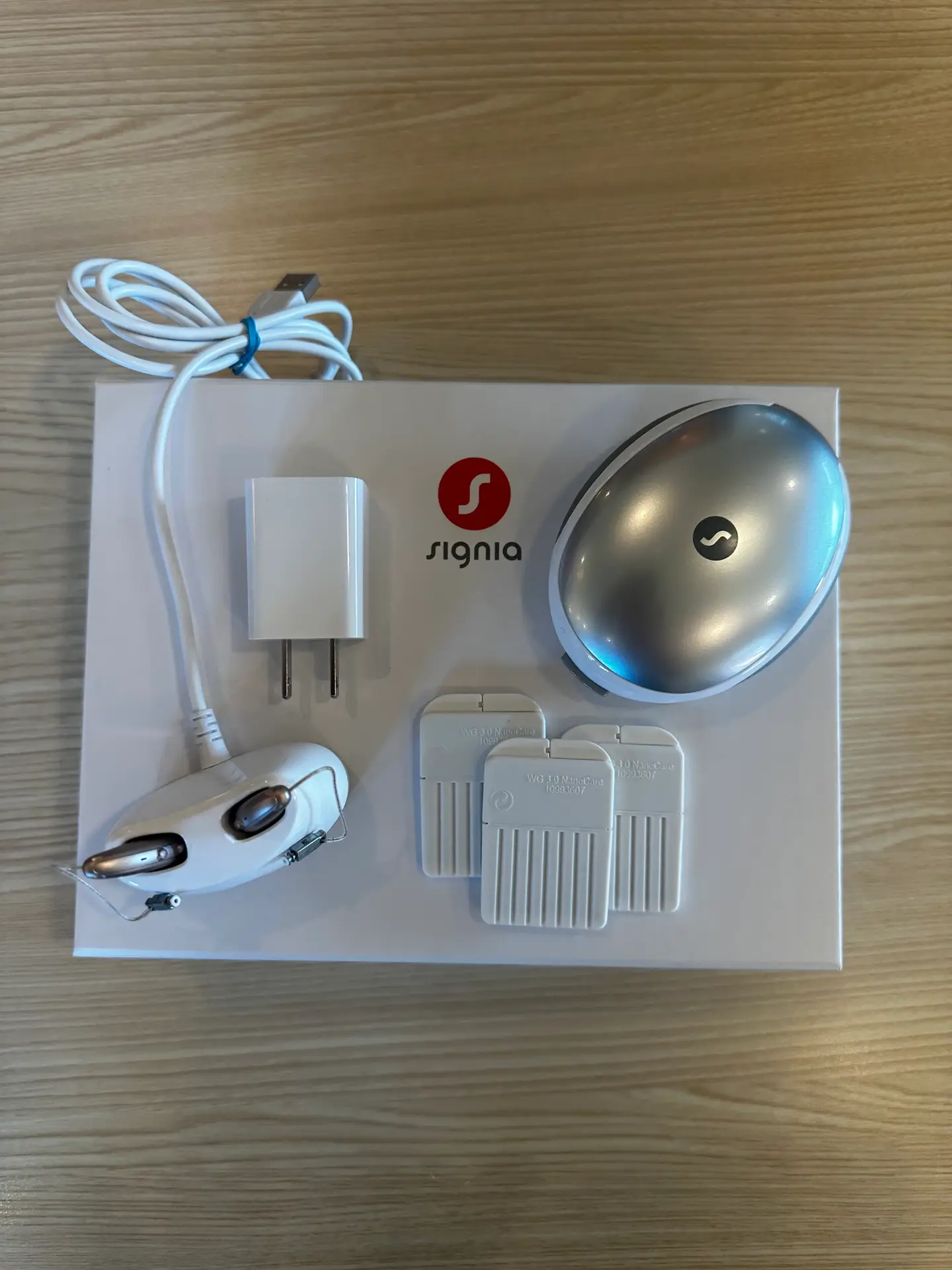
- Major brands like Phonak, Oticon, Signia, Rexton, Widex, Starkey, Unitron, and Resound
- Products with U.S.-based serial numbers and active or recent warranties
- Hearing aids that are not too old (we generally don’t accept aids over 5–6 years old)
- Devices we can refurbish or service with our trusted manufacturer partners
Hearing Aids We Cannot Accept:
- Private label brands such as:
- Audibel
- Beltone
- Miracle Ear
- Philips (hearing aids through Costco)
- Hearing aids purchased outside the U.S. (we often can’t verify or service them)
- Models we already have in excess inventory
- Devices with proprietary software that can’t be checked, serviced, or reprogrammed by independent clinics like ours
Private-label brands are particularly challenging because they can only be programmed or serviced by specific retail chains. This makes it impossible for us to do proper quality checks or send them in for repair, which would impact the integrity of our store.
Step 3: Refurbish or Clean & Test
Once we’ve accepted your devices and you’ve sent them in, we’ll do one of two things:
- Send them to the manufacturer for full refurbishing (this includes shell replacement, internal inspection, and fresh warranty where applicable)
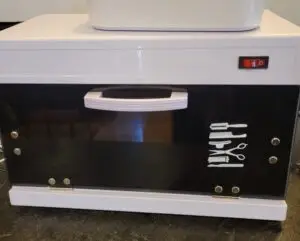
- Or, we’ll test them in our ANSI-certified test box, clean them thoroughly, and sterilize them before listing
We want every buyer to feel confident they’re getting a used hearing aid that’s been carefully inspected, cleaned, and ready to wear, just like new.
Step 4: How We Set the Listing Price
We price every consigned pair to sell, based on what buyers are paying right now. We look at four things:
- Other listings: what the same model sells for, used and new, at other online stores
- What our buyers pay: what our patients and customers have paid for similar hearing aids in our store
- Warranty remaining: how much manufacturer warranty is left, since buyers place real value on months of coverage
- Technology: whether the model is still current or has been replaced by a newer generation
Why the Listing Price May Be Lower Than What You Paid
You may have paid $6,000 for your hearing aids just five months ago. In most cases, that price included a bundled service fee for the fitting, follow-up visits, and adjustments, not just the devices. When hearing aids are resold, that service doesn’t go with them, so the resale price reflects the devices only.
If the service bundle wasn’t explained when you bought them, contact the clinic where you purchased. Some clinics may return part of the service fee, especially if you or your family member didn’t use services beyond the first fitting.
What Used Hearing Aids Sell For
The most we’ve sold a newer pair for is $3,500, and that pair had nearly its full warranty left. Some online stores now sell new hearing aids at or near that price, and buyers compare. A used pair has to be priced below a new pair of the same model for a buyer to choose it. We’ll talk through a realistic price with you before your hearing aids are listed, but after we have gone through our testing in the lab.
A Note to All Potential Sellers
We love helping people extend the life of their hearing technology and making high-quality hearing aids more accessible to others. But because our consignment process is thorough and quality-focused, we do ask that you start by emailing us first.
This ensures:
- You don’t waste time or money on fees
- We can set realistic expectations about what we can list
- You’re part of a seamless process from start to finish
Questions? Let’s connect
If you’re unsure whether your hearing aids qualify or want help with the process, just send us a quick message at info@wordpress-1628821-6438814.cloudwaysapps.com. We’re happy to guide you through the steps.
Thanks for helping another wearer get more years out of a good pair of hearing aids.
Frequently Asked Questions About Consigning Hearing Aids
How much can I sell my used hearing aids for?
It depends on the model, how much warranty is left, whether the technology is still current, and what the same model sells for elsewhere. The highest price we’ve gotten for a newer pair is $3,500, and that pair had nearly its full warranty left. Most pairs sell for less, and we’ll give you a realistic estimate before listing.
Why are my hearing aids worth less than what I paid?
Most clinics bundle service into the original price, including the fitting, follow-ups, and adjustments. That service stays with you and doesn’t transfer to the next owner, so the resale price covers only the devices. If you used little of that service, ask the clinic you bought from whether part of the fee can be returned.
Can I consign Beltone, Miracle-Ear, or Costco hearing aids?
No. Private-label hearing aids like Beltone, Audibel, Miracle-Ear, and Philips from Costco can only be programmed and serviced by their own retail chains. We can’t test, repair, or support them for a buyer, so we can’t list them.
Do I pay the consignment fee before you accept my hearing aids?
No. Email us the brand, model, and serial numbers first. We’ll check the purchase date, warranty, and U.S. registration with the manufacturer, and only after we confirm we can accept them should you pay the fee or sign up for a membership.
How old can hearing aids be for consignment?
We generally don’t accept hearing aids more than 5 to 6 years old. Older models are harder to service and harder to sell when newer technology is available at a similar price.