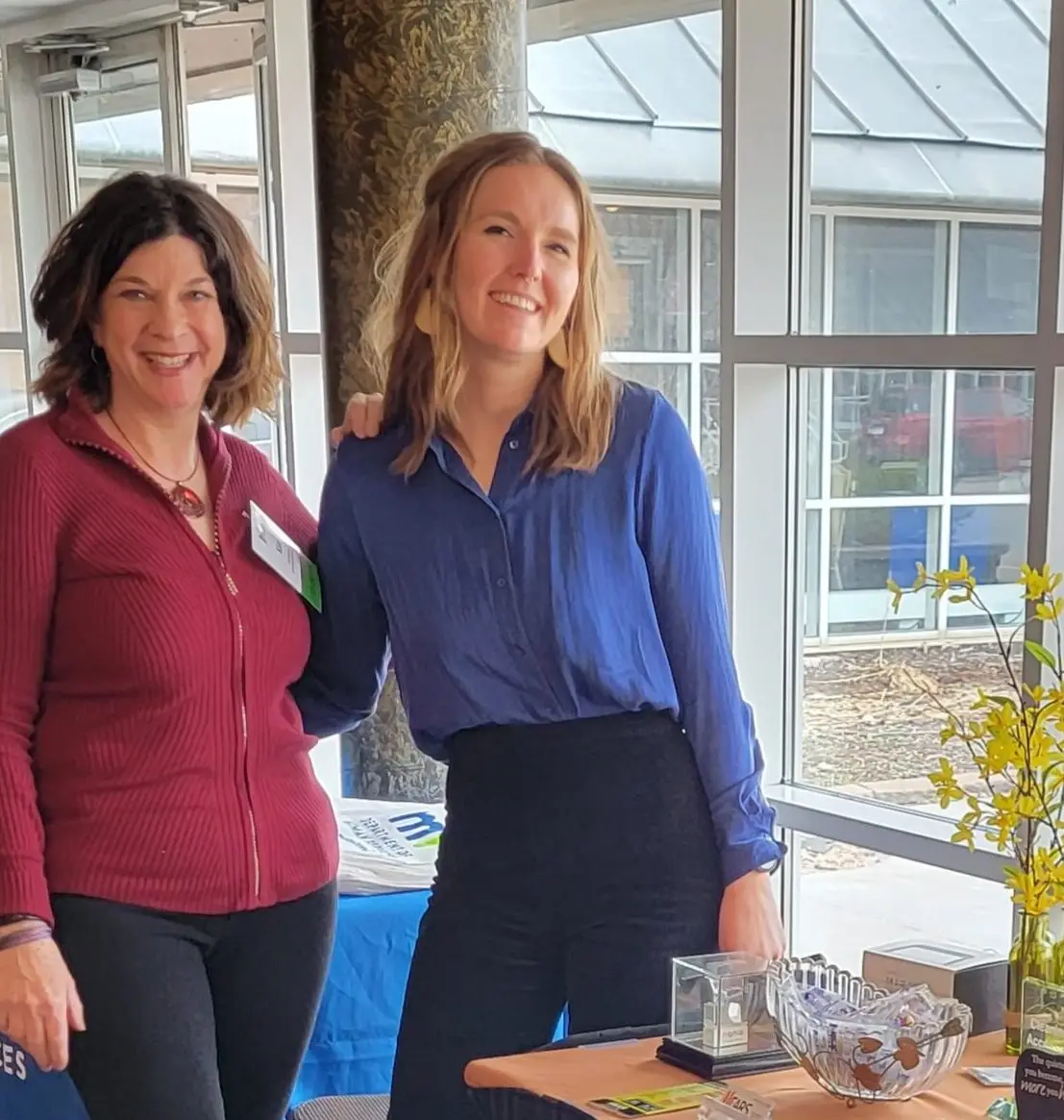
I have been to many health fairs, at companies, neighborhoods, communities, churches, and so many other places sharing with people the importance of hearing health care. I have promoted my clinic, hearing loops, accessories, hearing protection, and just the fact that hearing loss matters. This was the first time I went to a psychology conference, and I’m excited to tell you all about the experience.
We were there to educate psychologists about how few people do anything for their hearing loss, and how that plays out in their own appointments when a client isn’t hearing what the clinician has to say. We shared that only about 20 percent of the general population that needs hearing assistance actually gets it. The rest struggle their way through getting the important information at the appointment. We also shared that after a person has had hearing loss for some time, on average 7 years, they finally come in to see an audiologist because they’re tired of not hearing what their doctor said to them. We cited research from Johns Hopkins, using Medicare data, showing that people with hearing loss have a higher rate of hospitalization, longer hospital stays, higher healthcare spending, and lower adherence to treatment than people without hearing loss.
We also shared what hearing loss can actually look like in a session. It isn’t always about being deaf and using sign language. It can look like a blank stare, an unanswered question, a laugh at no joke, the wrong answer, or a misunderstanding again and again in the middle of a conversation.
Giving Providers a Tool in Their Own Toolbox
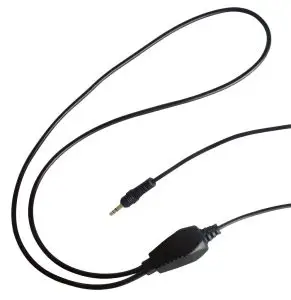
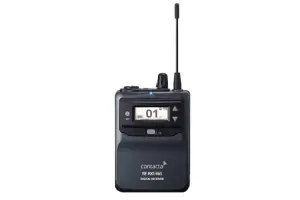
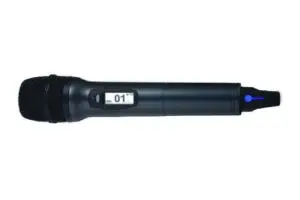
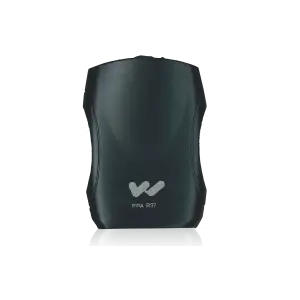
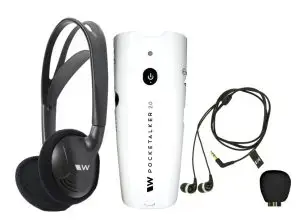
Beyond sharing information, we talked through what clinicians can actually do to accommodate a client with hearing loss. We can’t make someone get a personal hearing device, but a provider can have a device in their own toolbox to use during a session. We brought pocket talkers and FM systems to demonstrate. Most attendees were genuinely interested, and many wanted to bring something back for their own practice. We’re hopeful many of them will follow up so we can help them figure out what type of assisted device actually fits their setting.
Some of the psychologists were already using devices to help their clients hear. One psychologist told us she’d taken her mother, who can’t hear well and refuses to get a hearing device, to a doctor’s appointment. The physician pulled a pocket talker out of his lab coat to communicate with her. The mother loved it, and the daughter went out and bought one for her at home. She was so pleased with that doctor’s approach that she referred him to others and was genuinely grateful for the help with her mother.
At Hears Hearing & Hearables, we offer a few package options that include not just the products a provider might need, but the service to help figure out what’s actually needed and get it set up. It was rewarding to introduce psychologists to those options, and I’m hopeful we’ll hear from a number of them in the months and years ahead.
What was also striking about this conference is that it wasn’t overrun by product vendors the way hearing aid conferences typically are. The other booths were largely organizations looking to hire psychologists, including the Minnesota Department of Health, along with information on issues like teen mental health and abuse prevention. I learned a lot outside our own booth too, and left feeling like I’d made real connections with people who genuinely want to help others.
What conference should we go to next? If you have ideas, we’d love to hear them. I’d love to talk to internal and family medicine doctors, physician assistants, nurse practitioners, and others who see patients every day who can’t hear well and don’t yet have a tool for it.
Interested in an assisted listening device toolkit for your practice? Reach out.
Kim