Redux Hearing Aid Moisture System: The Science Behind Professional-Grade Drying
Most hearing aid dryers remove moisture the same way leaving wet clothes on a radiator does: heat and airflow carry moisture away from the surface. This works for surface moisture. It does not work for moisture that has already reached the internal components of the hearing aid, where small electrical contacts, solder joints, and microphone membranes sit in spaces that warm air cannot effectively penetrate. Read our information on moisture as a troubleshooting issue for hearing aids.
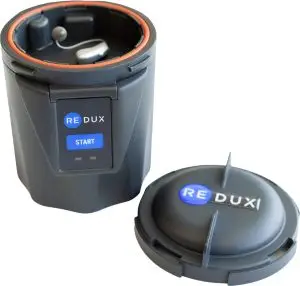
Redux is different. It uses vacuum technology to lower the atmospheric pressure inside a sealed chamber, which causes moisture to evaporate at room temperature from deep inside components that heat and desiccant cannot reach. The result is a level of drying that consumer systems simply cannot match, measured to the microliter.
Why Moisture Builds Up Faster Than You’d Think
Your skin releases moisture constantly as part of how your body regulates temperature, and the areas around your ears are no exception. Humidity right at the skin’s surface can climb well above normal room humidity within seconds, especially somewhere as enclosed as your ear canal, which stays warm and damp essentially all day. Add sweat from exercise, humid weather, or a hot shower, and it’s easy to see why moisture inside a hearing aid accumulates faster and more consistently than most people assume, even for wearers who aren’t doing anything unusual.
That’s exactly why nightly consumer drying and periodic deeper drying, like a Redux session, work best as complementary habits rather than either one alone.
Paul’s Story: What Redux Can Restore
Paul had been wearing relatively new hearing aids for several months when performance began declining. The sound was weak. He couldn’t figure out what was wrong. Batteries were lasting only three days instead of the expected week or more. He came to Hears Hearing & Hearables frustrated and expecting to be told his devices needed repair or replacement, a significant expense for hearing aids that should have had years of life remaining. After examining the devices, the team identified moisture as the likely cause. Although the aids were out of warranty, a Redux drying session was suggested before any repair was considered. Paul agreed. After the treatment, the sound quality was noticeably clearer and louder. Battery life improved significantly. The devices that had appeared to be failing were performing as they should. No repair. No replacement. A Redux session resolved what months of consumer drying had not.
Why Standard Drying Does Not Always Work
To understand what Redux does differently, it helps to understand what moisture actually does inside a hearing aid and where it goes.
When moisture enters a hearing aid through sweat, humidity, or water exposure, it does not stay on the surface. It migrates inward through the microscopic gaps between components, around the microphone membrane, into the battery contact area, and along the receiver wire. Consumer dryers using heat and airflow can evaporate moisture from the outer surfaces and from spaces with some airflow. They cannot create the pressure differential needed to pull moisture out of sealed internal spaces.
At standard atmospheric pressure, water evaporates at 100°C. Under the vacuum Redux creates, water evaporates at 20 to 30°C, room temperature. This means moisture inside sealed components boils off without any heat being applied to the delicate electronics. The physics of pressure reduction, described by the Clausius-Clapeyron equation, is what makes this possible and what makes Redux categorically different from heat-based systems.
How Redux Works: The Vacuum Drying Process
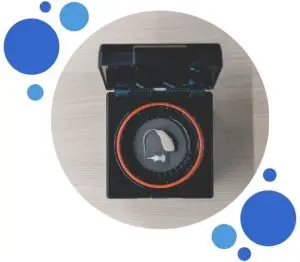
Step 1, Placement: Hearing aids are placed inside the Redux vacuum chamber, positioned to maximize exposure to the reduced-pressure environment.
Step 2, Sealing: the chamber is sealed to create an airtight environment.
Step 3, Evacuation: the vacuum pump activates and rapidly evacuates air from the chamber, reducing atmospheric pressure around the hearing aids.
Step 4, Boiling point reduction: as pressure drops, the boiling point of water inside the hearing aids decreases to near room temperature. Moisture begins evaporating from components that would otherwise remain trapped.
Step 5, Gentle heat assist: a gentle heating element maintains a slightly elevated temperature to support efficient evaporation without overheating the electronics.
Step 6, Continuous monitoring: advanced moisture detection sensors monitor humidity levels inside the chamber throughout the process, ensuring drying continues until all moisture is removed.
Step 7, Completion: when sensors confirm the moisture level has reached the target threshold, the pump deactivates, and the chamber is gradually returned to normal atmospheric pressure. The hearing aids are removed dry and ready for use.
The entire process takes minutes rather than the hours required by consumer drying systems. Moisture removal is measured and verified by the sensors rather than estimated.
Redux vs. Consumer Dryers: The Key Differences
- Drying method: consumer dryers use heat, airflow, or absorption. Redux uses vacuum pressure reduction.
- Reaches deep components: consumer dryers are limited to surface and accessible spaces. Redux reaches sealed internal spaces.
- Drying time: consumer dryers take 60 minutes to 8 hours. Redux takes minutes.
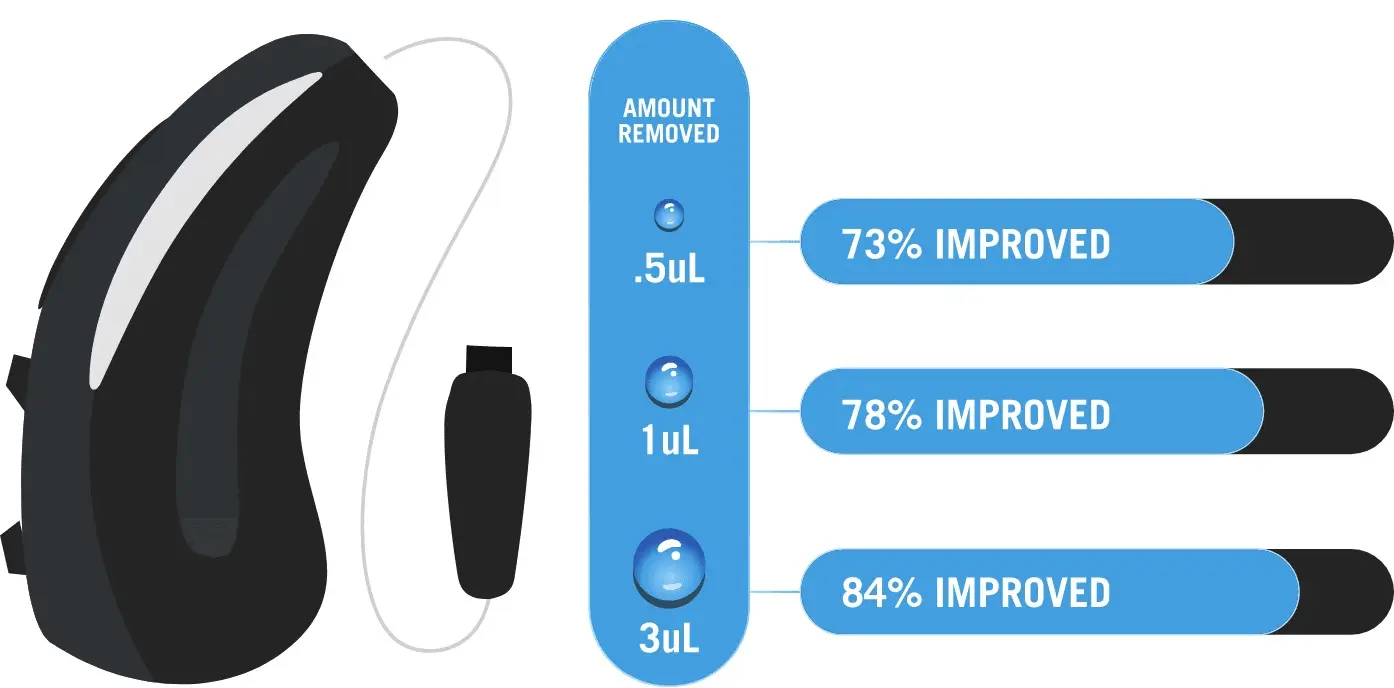
- Moisture measurement: consumer dryers don’t measure moisture removed. Redux measures to the microliter level.
- Temperature applied: consumer dryers require moderate heat. Redux evaporates moisture at room temperature.
- Rescuing moisture-damaged aids: consumer dryers are limited to surface moisture. Redux can address internal damage.
- Availability: consumer dryers are for home use. Redux is available as a professional clinic session or a home unit.
- Cost: consumer dryers are budget to moderate. Redux is a premium clinic session or home unit investment.
Who Benefits Most From Redux
Patients with moisture-related performance issues: weak sound, short battery life, intermittent cutting out, or crackling that persists despite nightly consumer drying are all signs that moisture has reached internal components. Redux is the most effective intervention before considering repair.
Active wearers and athletes: sweat introduces more moisture than normal daily wear. Patients who exercise in their hearing aids, work outdoors, or live in humid climates accumulate internal moisture faster than consumer dryers can remove. Periodic Redux sessions in addition to nightly drying extend device lifespan significantly.
Out-of-warranty devices: when a hearing aid is performing poorly, and repair costs are approaching replacement costs, a Redux session is worth trying first. Paul’s story is not unusual; moisture damage that appears to require repair is often fully reversible.
Patients after water exposure: accidental submersion, heavy rain, or getting caught in a pool or shower with hearing aids in. Immediate drying with a consumer dryer is the first step, but a Redux session within a day or two removes moisture the consumer dryer cannot reach before corrosion begins.
Preventive deep drying: even patients without current moisture problems benefit from occasional Redux treatment as a preventive measure, removing accumulated internal moisture before it causes noticeable performance decline.
New Redux Products Now Available at Hears Hearing & Hearables
Redux Ultra Dry & Charge
The Redux Ultra Dry & Charge combines heatless drying with overnight charging in one unit, built for hearing aid wearers who want the most thorough overnight moisture removal without adding a separate charging step. It’s a strong fit for households managing more than one wearable device, since it’s designed to work with earbuds and other small electronics as well as hearing aids.
It’s built to connect with a broad range of existing hearing aid charging cases through included USB-C and Micro-USB adapter cables, so you generally won’t need to replace your current charging case to use it. The included power adapter is designed for standard U.S. outlets, international use may require a separate plug adapter. If you’re not sure whether your specific charging case will connect properly, contact us before ordering and we’ll help confirm compatibility.
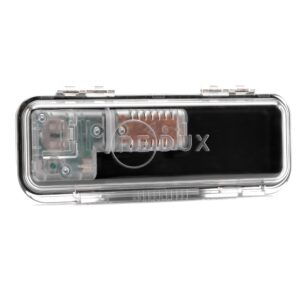
Veri-Dry Hearing Aid Dryer Case with Reusable DryBUDDY
Veri-Dry is a compact, heatless, battery-free storage case that protects hearing aids and other small electronics from moisture damage every time they’re stored, rather than requiring a separate drying step. The included DryBUDDY insert uses a reusable moisture-absorbing material that can be refreshed hundreds of times using the included reactivation sleeve, so there’s nothing disposable to keep buying.
Veri-Dry is compatible with RIC, BTE, and custom hearing aids, both rechargeable and disposable models, as well as earbuds and AirPods, which can dry and charge simultaneously inside the case in their own charging case. An LED indicator shows when your devices are fully dry, and the case is compact enough for a nightstand, a travel bag, or daily carry. Like the Ultra Dry & Charge, the included power block is built for standard U.S. outlets, contact us if you’re unsure whether your specific device will fit properly.
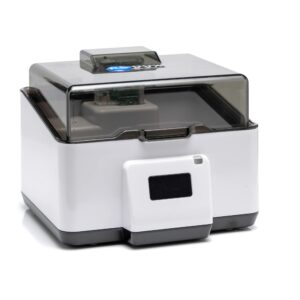
Redux Home Dryer System
The Redux Home Dryer is built for proactive, regular maintenance rather than emergency drying. Used about once a week, it runs a full two-hour drying cycle designed to actively pull moisture from both inside and outside your devices, going further than a passive desiccant like rice. Since moisture is one of the leading causes of hearing device repairs over time, weekly use is meant to catch that buildup before it starts affecting sound quality or speech understanding.
It’s built for more than just hearing aids: it’s also safe for hearing aid accessories, cochlear processors, Baha processors, earbuds, and small fitness devices, which makes it a genuinely useful option for a household managing more than one type of device. There’s no subscription required, and it comes with a full one-year manufacturer warranty.
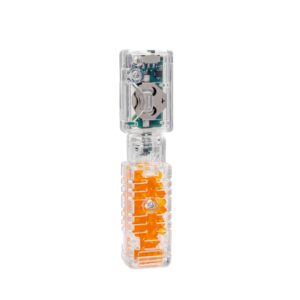
Redux DryBUDDY
The standalone Redux DryBUDDY is a compact, heatless dryer built for everyday moisture accidents with AirPods, earbuds, and hearing aids. It uses reactivation technology, meaning you can use it again and again rather than replacing a disposable insert, and an indicator lets you know exactly when your device is fully dry rather than leaving you guessing. Redux reports an 83.9 percent recovery rate for wet devices that weren’t powered on at the time of moisture exposure, worth noting since powering off a wet device quickly is generally the right first step regardless of what you dry it with afterward.
It’s compact enough for daily carry or a travel bag, and like the other Redux home products, the included power block is built for standard U.S. outlets, contact us if you’re unsure whether it’s the right fit for your specific device.
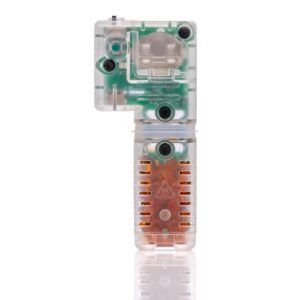
Redux DryBUDDY Mini
The DryBUDDY Mini is a different kind of product from the rest of the Redux lineup, it’s a compact, single-use emergency dryer built specifically for wet smartphones and small electronics, not an everyday hearing aid drying solution. It uses the same heatless approach and can help in as little as one to three hours, making it a reasonable backup to keep on hand for an unexpected spill or drop, but it comes with one single-use Dry Pod rather than a reusable element, and replacement pods aren’t currently available.
If you’re looking for a reusable, everyday hearing aid drying option, the standalone DryBUDDY or the Ultra Dry & Charge are the better fit. Contact us if you’re not sure which option matches what you actually need.
Our audiologists are glad to help you figure out which of these fits your actual routine, alongside nightly drying, in place of it, or as a periodic deeper option through a professional Redux session.
A Note on Phones and a Tentative Bluetooth Connection
Redux also makes a vacuum-drying system built specifically for smartphones, using the same underlying vacuum technology to remove trapped moisture from wet or water-exposed phones, including moisture in charging ports, speaker openings, and behind the camera lens, in about 30 minutes rather than the days rice or air-drying can take.
There’s also early, still-developing research exploring a possible connection between trapped moisture and Bluetooth connectivity issues, in hearing aids as well as other Bluetooth-enabled devices. This is genuinely preliminary at this stage, not an established, well-documented cause-and-effect relationship, but it’s an area worth watching. If you’ve noticed Bluetooth pairing or streaming problems alongside other signs of moisture exposure, that’s worth mentioning at your next appointment.
How Redux Compares to Other Drying Methods
Redux has published its own comparison of vacuum drying against rice, silica gel, and generic consumer dryers, covering starting humidity levels, treatment time, reusability, and moisture capacity. The short version: household rice and silica gel are essentially ineffective for anything beyond very light, surface-level moisture, generic consumer dryers help with routine daily maintenance, and vacuum drying is positioned for more serious moisture events, submersion, severe exposure, or a device that won’t power on at all. For the full side-by-side comparison and Redux’s own published data, visit their website directly.
Redux at Hears Hearing & Hearables
Hears Hearing & Hearables offers Redux treatment as a professional service. Sessions are available at clinic pricing, contact our team for current rates and to schedule. For patients who want Redux capability at home, the Redux home, the Ultra Dry & Charge and Veri-Dry systems and others,are also available for purchase.
As of October 2025, Redux was the superior moisture removal system available. If you are reading this significantly after that date and want to know whether anything has changed or improved, ask our team, the moisture treatment landscape does evolve.
If your hearing aids are underperforming and you suspect moisture, or if you recently had significant water exposure, purchase a repair; we will let you know if it is moisture. A Redux session is significantly less expensive than a repair or replacement and resolves the problem completely in a large proportion of moisture cases.
Frequently Asked Questions: Redux Moisture System
What is the Redux system and how is it different from a regular hearing aid dryer?
Redux uses vacuum technology to lower atmospheric pressure inside a sealed chamber, causing moisture to evaporate at room temperature from deep inside hearing aid components that heat and airflow cannot reach. Consumer dryers rely on heat and absorption, which remove surface moisture but cannot effectively reach sealed internal spaces. Redux measures moisture removal to the microliter level and takes minutes rather than hours.
Can Redux fix moisture-damaged hearing aids?
In many cases, yes. Hearing aids with weak sound, short battery life, crackling, or intermittent failure due to moisture accumulation have been restored to normal performance by Redux treatment without requiring repair or replacement. The results depend on whether corrosion has already occurred. Redux removes moisture before corrosion develops, but cannot reverse corrosion that has already damaged metal components. The earlier moisture damage is addressed, the better the outcome.
How long does a Redux session take?
A professional Redux session takes minutes, significantly faster than consumer drying systems that require sixty minutes to eight hours. The Redux sensors monitor moisture levels throughout and complete the process when the target dryness level is confirmed, rather than running for a fixed time period.
How often should I get a Redux treatment?
For most daily wearers with consistent nightly consumer drying, once or twice a year as preventive maintenance is reasonable. Active wearers who sweat significantly, patients in very humid climates, or patients experiencing moisture-related performance issues may benefit from more frequent treatment. After any significant water exposure, a Redux session within one to two days is recommended.
Is Redux safe for all hearing aid types?
Yes. Redux is designed to be safe for all hearing aid styles, including RIC, BTE, custom ITE, and cochlear implant processors. The vacuum drying process operates at room temperature, which is safe for the sensitive electronics in all hearing aid types. The gentle heating element maintains a temperature well below what would damage any component.
Can I buy a Redux unit for home use?
Yes. Home Redux units, including the Ultra Dry & Charge and Veri-Dry systems, are available for purchase for patients who want moisture removal capability at home. Contact Hears Hearing & Hearables for current home unit options and pricing. For most patients, professional clinic sessions combined with nightly home drying provide the right balance of cost and effectiveness.