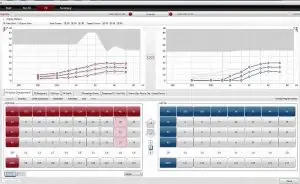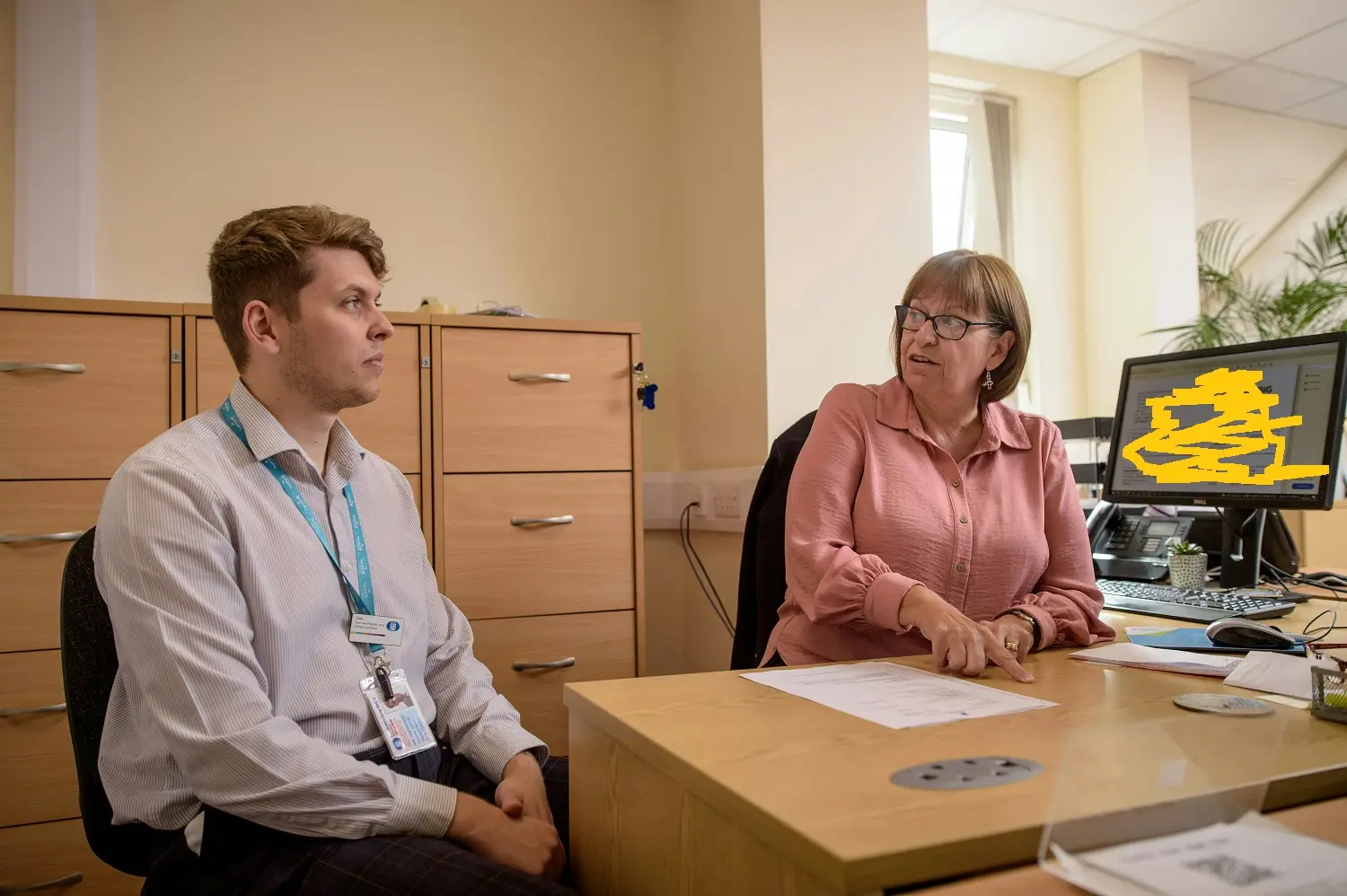
The most common reason patients hesitate to purchase a consignment hearing aid is the programming question. You have the device, you have your audiogram, now you need a licensed audiologist or hearing care professional to connect the hearing aid to their fitting software and program it to your specific hearing loss. Not every audiologist will agree to do this for a device they did not sell.
This post walks through exactly how to find a provider, what to say when you contact them, what it costs, and what to do if local options fall through, including our own telehealth programming service.
Why Programming Matters So Much
A hearing aid without programming is a preset amplifier. It provides generic amplification across a broad frequency range, better than nothing for some patients, wrong for most. Your hearing loss has a specific shape: certain frequencies are affected more than others, each ear may be different, and your speech discrimination ability affects how much high-frequency emphasis is appropriate.
Professional programming using your audiogram targets exactly the frequencies you need amplified, at exactly the levels that correct for your loss, in each ear independently. The difference between a preset and a properly programmed hearing aid is not subtle, for most patients it is the difference between a device that helps and one that either provides too much amplification in some areas or not enough in others.
What You Need Before the Programming Appointment
- A current audiogram: ideally within the past one to two years. If you do not have one, schedule a comprehensive hearing evaluation with an audiologist before purchasing a consignment hearing aid. Programming to an outdated audiogram is better than no programming, but not ideal.
- The make and model of your hearing aid: your audiologist needs this before the appointment to confirm they have the manufacturer’s fitting software installed. Not every clinic has software for every brand.
- The hearing aid itself: bring the device, any accessories, and the charging cable or batteries.
- Your hearing history: previous hearing aids you have worn, any specific listening environments you want to prioritize, and any sounds that have been a consistent problem.
How to Find a Provider Who Will Program a Device You Did Not Buy From Them
Step 1: Call or Email Ahead –Do Not Just Show Up
Contact the clinic before making an appointment. Explain that you have purchased a used prescription hearing aid and need it programmed to your audiogram. Ask two specific questions: do they have the fitting software for your brand and model, and do they charge a programming fee for devices not purchased through them. This saves everyone time and avoids the disappointment of arriving at an appointment and being turned away.
Step 2: What to Say If They Hesitate
Some audiologists will decline initially, often because they are not sure how to handle it, not because they are opposed to it. A polite, specific request helps:
‘I purchased a used Phonak Lumity hearing aid and I have a current audiogram. I am not asking for a full fitting package, I am looking for a programming appointment and a follow-up adjustment and understand there will be a service fee, and I am happy to pay it. Do you offer that service?’
Framing it as a paid service appointment rather than a free favor resolves most hesitation. Audiologists who understand unbundled service fees recognize this as straightforward billable work.
Step 3: Confirm Software Compatibility
Each major hearing aid brand has its own fitting software. Your audiologist needs the specific software for your brand installed on their fitting computer:
- Phonak and Unitron: Target fitting software
- Signia and Rexton: Connexx fitting software
- ReSound: Aventa or Smart Fit software
- Starkey: Inspire fitting software
- Widex: Compass Cloud fitting software
- Oticon: Genie 2 fitting software
Most full-service audiology clinics carry software for the major brands. Smaller clinics or big-box hearing centers may only carry software for the brands they sell. Confirming software availability before the appointment is the most important practical step.
What Programming Costs
Programming fees vary by location, provider, and what the appointment includes. General ranges:
- Programming only (single appointment): $75 to $200 is a reasonable range in most U.S. markets. Some clinics charge less for a straightforward programming-only visit.
- Programming plus follow-up adjustment: $150 to $350 for an initial programming and one follow-up fine-tuning visit. This is the recommended minimum: one adjustment appointment after two to four weeks of wear.
- Full fitting package: some audiologists offer a package including initial programming, multiple follow-ups, and real-ear measurement. $300 to $600. Real-ear measurement is the gold standard for verifying that the programming actually matches your prescription, worth paying for if offered.
Real-ear measurement (REM) is the objective verification standard for hearing aid fitting, a small probe microphone placed in the ear canal measures what the hearing aid is actually delivering at the eardrum versus what your prescription requires. If your audiologist offers REM, request it. It is the most reliable way to confirm that a consignment hearing aid is performing to your specific prescription.
If You Cannot Find a Local Provider: Telehealth Programming From Us!
Not everyone lives near an audiologist willing to program a device they did not sell. This is particularly common in rural areas and smaller markets. Telehealth programming is a genuine solution for many brands.
- How it works: you connect with a licensed audiologist through a video appointment. Using your hearing aid’s Bluetooth connection to your smartphone and the audiologist’s remote programming software, adjustments are made to the hearing aid’s programming in real time without you being physically present at a clinic.
- What it requires: a compatible hearing aid (most current Phonak, Signia, ReSound, Starkey, and Oticon models support remote programming), a smartphone with the brand’s app installed, and a reliable internet connection.
- Widex exception: Widex Allure does not support telehealth. Widex Moment and Moment Sheer support telehealth with the Remote Link accessory.
Hears Hearing & Hearables offers telehealth programming through our provider network for patients across the United States. If you purchase a consignment hearing aid from us and need a remote programming appointment, contact us, and we will arrange it.
What If an Audiologist Refuses?
It is uncommon for an audiologist to refuse to program a device that is compatible with their software and for which you are willing to pay a service fee. If it happens, try these steps:
- Ask politely for the reason, sometimes it is a software or compatibility issue rather than a policy
- Try a different clinic in your area, independent audiologists are often more flexible than hearing aid retail chains
- Contact us, we can help identify a provider in your state who offers programming services for independently purchased devices
- Consider telehealth programming if your hearing aid supports it
Minnesota Patients
If you are in Minnesota, Hears to U in Hopkins offers in-person programming for consignment hearing aids purchased through our store. We offer real-ear measurement, thorough fitting, and follow-up care. Contact us to schedule.
Purchased a consignment hearing aid and need help finding a programmer? Contact Hears Hearing & Hearables. We work with providers across the country and offer telehealth programming for most major brands. We will not leave you with a device and nowhere to go.
What Our Consignment Customers Say
The best argument for buying a used hearing aid professionally tested and programmed is not ours to make; it belongs to the people who did it. Here is what customers have shared about their experience with Hears Hearing & Hearables.
The Oticon Intent 1 is far superior to the two-year-old Costco hearing aids they replaced. I was able to email my latest detailed hearing test to Hears Hearing & Hearables, they programmed it remotely from another state, applied the requested domes, and mailed them quickly. The hearing aids are professionally cleaned and tested. I definitely recommend Hears Hearing & Hearables — don’t be afraid to get used ones.
Verified consignment buyer | Oticon Intent 1 — replaced Costco hearing aids
The hearing aids are very clear and have great sound quality. Kim knowledgeably answered all my questions and discussed all the options, which helped us find the right fit for my needs. I am very appreciative and very impressed with the entire experience.
Verified consignment buyer | Sound quality and service
Everything went great so far. Wife is very happy and everything is going well. Our audiologist was able to set it up and all.
Justin and family | Verified consignment buyer — programmed by local audiologist
Best hearing aid I have used to date. Very comfortable and really has improved my hearing.
Verified consignment buyer | Used TH Premium 7
I have looked for companies like yours for truly a few years now, and I am so happy to find your company. It has been great and affordable working with you all. I have not found any other companies that provide this service.
Cathy | Repairs and consignment
A theme runs through every one of these accounts: the combination of professional testing and remote programming made the purchase accessible — not just affordable. Customers in other states were able to email an audiogram and receive hearing aids that were programmed, fitted with new domes, and ready to wear. A local audiologist handled the fine-tuning. The process worked.
Considering a consignment hearing aid? Browse our current inventory, contact us with your audiogram and questions, and we will tell you honestly whether what we have is a good fit for your hearing loss and listening needs.
Frequently Asked Questions: Getting a Used Hearing Aid Programmed
Will an audiologist program a hearing aid I did not buy from them?
Many will, particularly independent audiologists who operate on an unbundled service model. The key is asking specifically and confirming software compatibility before the appointment. Frame it as a paid programming appointment. Some audiologists at retail hearing aid chains may decline because programming non-house devices conflicts with their business model, in that case, try an independent audiologist or contact us for help locating a provider in your area. We also have telehealth providers that covers the United States.
How much does it cost to get a used hearing aid programmed?
Programming fees vary by location and what the appointment includes. A straightforward programming visit typically runs $75 to $200. A programming plus one follow-up appointment is reasonable at $150 to $350. Real-ear measurement to verify the programming matches your prescription is worth paying for if offered. Fees are separate from the cost of the hearing aid itself, this is the service component of the hearing care experience.
Can I get a used hearing aid programmed via telehealth?
Yes, for most major brands. Phonak, Signia, ReSound, Starkey, and Oticon all support remote programming for compatible models. Widex Moment and Moment Sheer support telehealth with the Remote Link accessory. Widex Allure does not. If you cannot find a local provider, contact Hears Hearing & Hearables, we offer telehealth programming through our provider network for patients across the United States.
Do I need a new audiogram to get a used hearing aid programmed?
An audiogram is required for professional programming; a used hearing aid cannot be properly fitted without one. Ideally, it is current within one to two years. If you do not have a recent audiogram, schedule a comprehensive hearing evaluation before purchasing a consignment hearing aid. Most audiology clinics offer hearing evaluations, and some will bundle the evaluation with the programming appointment.
What is real-ear measurement, and should I request it?
Real-ear measurement is the objective gold standard for hearing aid verification. A small probe microphone placed in the ear canal measures what the hearing aid is actually delivering at the eardrum, compared to what your hearing prescription requires. It confirms that the programming is accurate for your specific ear canal anatomy and hearing loss. If your audiologist offers real-ear measurement, request it. It is the most reliable way to confirm a consignment hearing aid is performing to your prescription.
💙