Hearing Aid Software Updates: What They Do and What to Expect
Technology updates are part of life with any digital device, phones, computers, tablets, and increasingly, hearing aids. Most of the time updates are invisible improvements that make things work better. Occasionally they cause a moment of confusion when something familiar suddenly looks or behaves differently. Understanding what updates are, why they happen, and how they affect hearing aids specifically removes a lot of the frustration when one arrives unexpectedly.
What a Software Update Actually Is
An update is a set of instructions sent from the manufacturer to the device that changes how the software inside it behaves. Think of it as a tune-up, the core hardware stays the same but the programming that runs it improves. Updates serve several purposes:
- Bug fixes: correcting small problems users have reported, a connectivity glitch, an app crash, an accessory that stopped pairing correctly.
- Performance improvements: refining how the device processes information, which for hearing aids means improvements to sound processing algorithms, noise management, or streaming stability.
- New features: adding capabilities that were not available when the device was first released, new programs, new app functions, or activation of hardware features that were built in but not yet enabled.
- Security: for devices that connect to smartphones and the internet, updates protect against vulnerabilities that could be exploited.
A Real Example: The Widex Allure T-Coil Activation
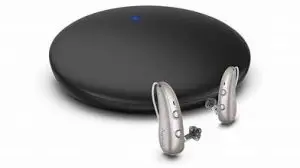
When the Widex Allure launched, the T-coil, the feature that connects hearing aids to hearing loops in theaters, churches, airports, and public venues, was not yet active. A subsequent firmware update activated the T-coil, suddenly making the Allure compatible with hearing loops worldwide without any hardware change. The same hearing aid, same components, dramatically more capable, because of a software update.
This example illustrates something important about current hearing aid platforms: they are designed for ongoing development. Manufacturers release hardware that is ready for features not yet available, with the intention of delivering them through updates over time. Patients who keep their hearing aids updated get more from the same device.
When Updates Go Wrong
Updates do not always land smoothly. An overnight Windows update recently left a hearing aid programming system temporarily unusable, the fitting software had not yet been updated to be compatible with the new operating system version, and an entire morning of appointments required rescheduling while the technical issue was resolved. This is not unique to hearing care. Anyone who has arrived at work to find a familiar program looking completely different, or refusing to open, after an automatic update knows the feeling.
For hearing aids specifically, update-related problems tend to fall into a few categories:
- App compatibility: a phone operating system update can temporarily break the hearing aid app until the app itself is updated to match. If your hearing aid app stops working after a phone update, check whether an app update is available in your app store before contacting your audiologist.
- Connectivity changes: updates occasionally change how hearing aids pair to phones or accessories, requiring re-pairing. This is usually a one-time inconvenience.
- Sound character changes: a processing algorithm update can subtly change how hearing aids sound. Most patients adapt quickly. If the change is significant and uncomfortable, a follow-up appointment with your audiologist can address it through programming adjustments.
How Hearing Aid Updates Work
Through Your Audiologist
Most hearing aid firmware updates, the core software that runs the hearing aid itself, are delivered through the fitting software your audiologist uses. This means updates happen at clinic appointments or through telehealth sessions. Your audiologist will typically apply available updates at routine appointments unless there is a reason not to.
Through the Hearing Aid App
Many current hearing aid platforms allow firmware updates to be delivered through the smartphone app, Phonak myPhonak, Signia mySignia, Oticon Companion, ReSound Smart 3D, and others. When an update is available, the app typically notifies you and guides you through the process. Some updates require the hearing aids to be in the charger during the update. Follow the app instructions carefully and do not interrupt the update once it has started.
Automatic Updates
Some app-side updates install automatically in the background, similar to how smartphone apps update overnight. Hearing aid firmware updates generally require active confirmation rather than happening fully automatically, though this varies by brand and platform.
What Happens If You Do Not Update
Declining updates indefinitely has consequences over time:
- App compatibility: as phone operating systems advance, older hearing aid firmware may not communicate reliably with newer app versions.
- Accessory compatibility: accessories updated to newer protocols may not connect as well to hearing aids running older firmware.
- Missing features: updates that add new capabilities, like the Widex Allure T-coil example, are only available to hearing aids running the current firmware.
- Security: for connected devices, older firmware may have known vulnerabilities that updates address.
Hearing aids with outdated firmware will continue to function, they do not stop working. But staying current ensures you are getting the full benefit of what your hearing aids are capable of.
What to Do Before and After an Update
- Before: ask your audiologist whether an update is recommended and what it changes. For significant processing updates, knowing what to expect prevents surprise.
- After a hearing aid app update: if the app behaves differently or a feature has moved, explore the new layout before calling for support, app updates frequently reorganize menus.
- After a firmware update: if the sound character feels different, wear the hearing aids for a few days before drawing conclusions. Most adaptation happens quickly. If the change is persistently uncomfortable, contact your audiologist for a programming review. [LINK to C2: hearing aid troubleshooting]
- If something breaks after an update: contact your hearing aid provider. Update-related compatibility issues are usually resolved quickly once the provider is aware, either through a subsequent patch, a workaround, or a reversion in rare cases.
The key balance: stay current with updates, but stay informed about what is changing. Your audiologist should be your first call when an update causes a problem you cannot resolve through the app. For app-side issues after a phone OS update, check the app store for an app update first, this resolves the majority of post-update app problems without a clinic visit.
Hearing aid update causing a problem, or wondering whether your hearing aids are up to date? Contact Hears Hearing & Hearables. We can check your firmware version, apply available updates through telehealth for most major brands, and troubleshoot update-related issues remotely.
Frequently Asked Questions: Hearing Aid Updates
How do I know if my hearing aids need an update?
Your hearing aid app will usually notify you when a firmware update is available. Your audiologist will also check for available updates at routine appointments and apply them through the fitting software. If you want to check yourself, open your hearing aid app and look for a device information or firmware section, it will typically show the current version and whether an update is available.
Can a hearing aid update change how my hearing aids sound?
Yes, though most sound processing updates are subtle. Manufacturers refine algorithms with each update, which can produce minor changes in sound character. Most patients adapt within a few days without noticing a persistent difference. If a processing update produces a significant change that feels uncomfortable after a week of wear, a follow-up programming appointment with your audiologist can make adjustments to restore your preferred sound profile.
My hearing aid app stopped working after I updated my phone. What should I do?
Check your app store for a hearing aid app update first, this resolves the majority of post-phone-update app problems. App developers typically release compatibility updates shortly after major phone operating system releases. If no app update is available yet, wait a few days and check again. If the problem persists after an app update is installed, contact your hearing aid provider or Hears Hearing & Hearables for further troubleshooting.
Do I have to update my hearing aids?
Updates are not strictly mandatory, hearing aids will continue to function on older firmware. However, declining updates over time means missing new features, potential compatibility issues with newer app versions and phone operating systems, and in some cases security vulnerabilities. Most audiologists recommend staying current. If you are hesitant about a specific update, ask your audiologist what it changes before applying it.
Can hearing aids be updated through telehealth?
For app-delivered firmware updates, yes, many current platforms allow firmware updates through the hearing aid app without a clinic visit. For fitting software updates that require the audiologist’s system, telehealth appointments through platforms like the Oticon Companion app, myPhonak, or mySignia allow the audiologist to make programming adjustments remotely. Contact Hears Hearing & Hearables to discuss telehealth options for your specific hearing aids.