Safe Ear Cleaning: What Actually Works, and Why Cotton Swabs Don’t
Ears are largely self-cleaning. Earwax, medically called cerumen, isn’t a sign of poor hygiene; it’s a normal, protective substance that traps dust and debris and slowly migrates out of the ear canal on its own. Most of the time, the outer ear just needs a wipe with a washcloth, nothing more.
The trouble starts when people try to help that process along with the wrong tool.
Why Cotton Swabs Are the Wrong Tool
Cotton swabs feel like the obvious choice, but they’re genuinely one of the most common causes of ear problems we see. A swab is narrower than the ear canal, which means instead of removing wax, it typically pushes wax deeper toward the eardrum, compacting it into a blockage. Swabs can also scratch the sensitive skin of the ear canal, and in some cases, cause real injury to the eardrum itself if inserted too far or too forcefully. One of our patients learned this the hard way; aggressive swab use led to irritation, a blood clot, and a wax blockage that made him think he was going deaf. It wasn’t permanent, but it was entirely avoidable.
What to Actually Do Instead
- Wipe the outer ear with a soft washcloth during your normal shower or bath routine. That’s genuinely sufficient for most people, most of the time.
- If you feel buildup, you could try ear drops designed to soften wax, which can help it clear on its own. Follow the product instructions and don’t use drops if you have a perforated eardrum or ear tubes.
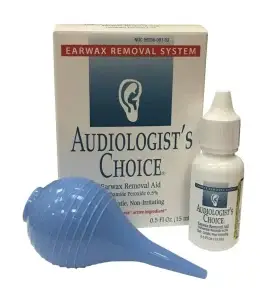
- We prefer and recommend softening your earwax and then using water to wash it out.
- One rule people always say is never insert anything smaller than your elbow into your ear canal; this includes cotton swabs, bobby pins, and rolled tissue. If it can fit inside your ear canal, it can also push wax deeper or injure the canal.
- If you feel fullness, muffled hearing, or discomfort that doesn’t resolve on its own, that’s a sign of buildup that may need professional removal, not more aggressive home cleaning.
Some products we recommend:
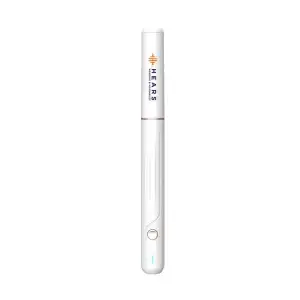
Wireless video Otoscope – Easy and affordable. Look in your ears or your loved one’s ears. If you see earwax, then you can use a variety of solutions we have.
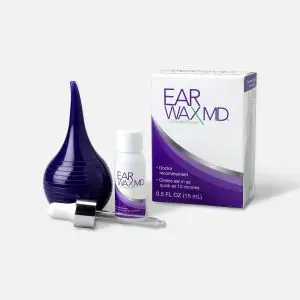
MD Kit that is said to melt wax. We recommend washing the chemical out of your ear after 20 minutes.
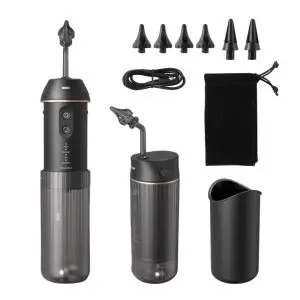
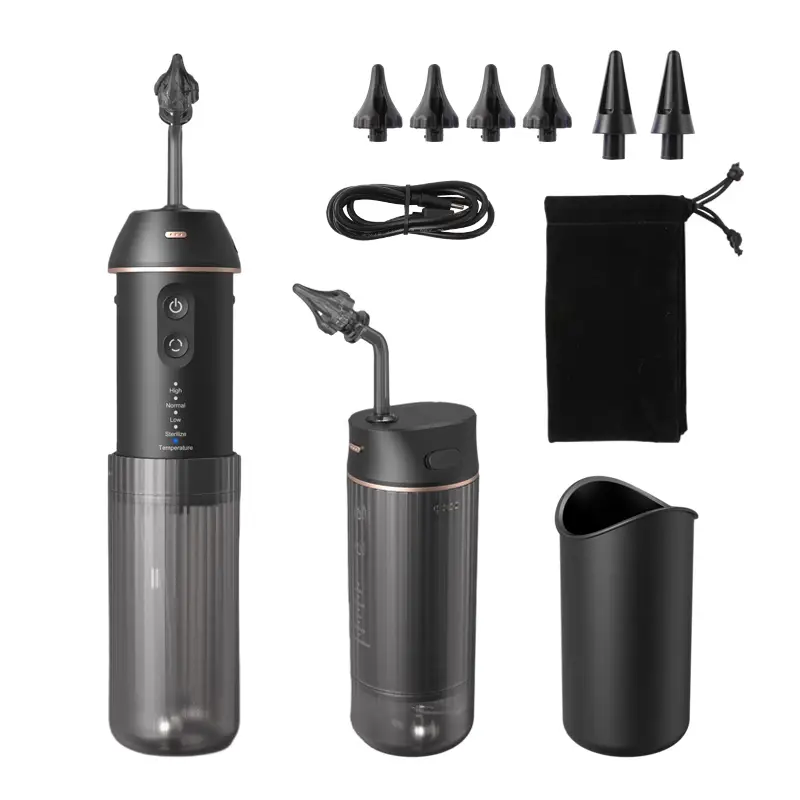
Electronic water cleaner to save you time.
If you are doing this yourself, make sure you are sitting down so you don’t get dizzy. Sometimes hot or cold water may hit your eardrum and make you feel dizzy. If that happens, stop right away.
When to See a Professional
If home care isn’t resolving the issue, or you’re not confident about what’s actually going on in your ear canal, professional removal is quick, safe, and far more effective than continuing to try home remedies. We cover the specific signs that mean it’s time for professional wax removal, and the pain symptoms that warrant a doctor’s visit, in the rest of this series.
Read about earwax buildup and when it needs professional removal.
Not sure if it’s pain worth seeing a doctor about? See our guide.
Read one patient’s real story about ignoring a wax blockage.
Schedule an ear exam with one of our providers.