Most providers recommend a check-in every four to six months, but that is a starting point rather than a rule. Here is how to figure out the right interval for you.
Caring for your hearing is as important as caring for your eyes or teeth. But how often you need to see your audiologist or hearing care provider depends on your individual situation, not a universal schedule.
Who Needs More Frequent Visits
Some patients benefit from seeing their audiologist more often than the standard four-to-six month window. The most common reasons:
Fluctuating Hearing Loss
Several conditions cause hearing to shift from day to day or even within the same day, not just Meniere’s disease:
- Autoimmune Inner Ear Disease (AIED): the immune system attacks the inner ear, causing sudden drops or improvements in hearing.
- Viral or bacterial ear infections: middle or inner ear infections can cause temporary hearing changes that typically improve once the infection resolves.
- Eustachian tube dysfunction: often related to allergies, sinus issues, or colds, creates a sensation of fullness and temporary hearing changes as fluid builds up or drains.
- Sudden sensorineural hearing loss (SSNHL): hearing drops rapidly and unexpectedly, often requiring immediate medical attention. Do not wait for a scheduled appointment if this happens.
- Otosclerosis or age-related hearing loss: some patients notice fluctuations related to stress, fatigue, or other health factors even with progressive loss.
If your hearing aids suddenly seem too loud or too soft without any obvious reason, a threshold test may be warranted to check whether your hearing has changed rather than assuming the device needs adjustment.
A sudden, significant change in hearing should always be evaluated by an ENT physician to rule out medical concerns before any hearing aid adjustment is made.
Tinnitus or Changing Symptoms
Counseling, strategy updates, or new sound therapy approaches may be needed to keep tinnitus management effective as symptoms change. What works in one season or life situation may need adjustment as circumstances shift.
Earwax Buildup
Some patients produce more earwax than others. While there are safe tools for home management, many patients prefer professional cleaning. One firm rule: avoid cotton swabs in the ear canal. They push wax deeper and can make blockages significantly worse.
Counseling and Aural Rehabilitation
If you need a refresher on using your hearing aid’s app, want to work on communication strategies, or are learning to pair accessories like remote microphones or TV streamers, more frequent visits help you stay confident and capable. Aural rehabilitation is not just for new hearing aid users, it is useful any time your listening challenges change or your current strategies stop working as well as they once did.
Hearing Aid Maintenance: Why Regular Visits Pay Off
Moisture Damage
Moisture is one of the leading causes of hearing aid failure, and most patients significantly underestimate how much accumulates inside their devices over time. Our clinic uses the Redux professional moisture removal system , which vacuums moisture from deep inside hearing aid components that consumer dryers cannot reach. One patient recently had 2.7 units of moisture removed; anything above 0.5 is considered elevated. Routine professional moisture removal extends device life and prevents the kind of gradual performance decline that patients often attribute incorrectly to their hearing changing. We have a service to help remove the moisture or if you prefer, purchase the at-home Redux system.
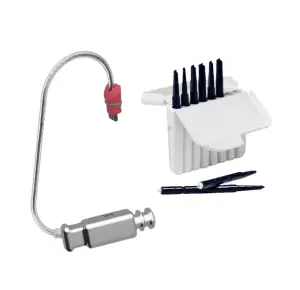
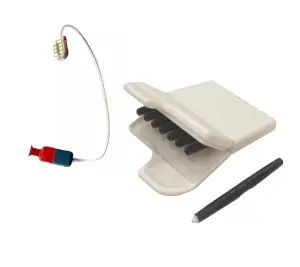
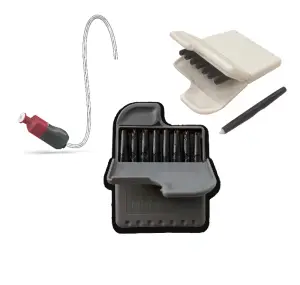
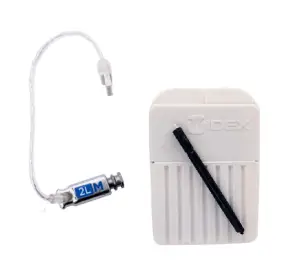
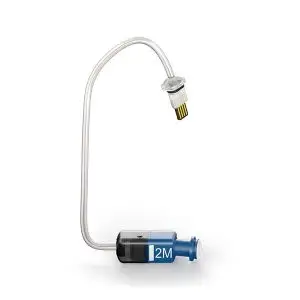
For patients with traditional behind-the-ear (BTE) hearing aids, the tubing that carries sound from the device to the ear hardens over time. Some patients need new tubing every few months; others can go years without an issue, depending on individual body chemistry and ear environment.
Tubing Replacement
Domes and Sleeves
Swapping to a different dome style can make a meaningful difference in sound quality without any programming change. Open domes allow natural sound to enter the ear canal freely, which creates a more natural listening experience but lets amplified low-frequency sound escape. Closed domes seal the canal more effectively, trapping amplified sound inside for better bass response, fuller-sounding voices, and improved audibility of deeper sounds. The trade-off is a more occluded feeling and the perception that your own voice sounds louder. Moving between dome types is worth exploring if you feel your current devices are missing low-frequency content or conversely feel too plugged. Your audiologist should guide this change rather than trying different options on your own, since dome type interacts directly with your programming targets.
Firmware Updates
Modern hearing aids receive software updates the same way smartphones do. Your provider can check whether updates are available for your specific model and walk you through installing them if they are not available through your app directly.
Annual Check-Ins Are Still Important
Even without any apparent issues, an annual visit remains a useful baseline:
- Hearing test updates: Medicare covers one hearing test per year with a physician’s order. Monitoring for changes in hearing loss, balance, or tinnitus over time is the kind of longitudinal tracking that catches gradual changes before they become significant ones. Your audiologist can also make referrals to an ENT when indicated.
- Professional deep cleaning: a thorough annual cleaning keeps devices performing as designed, even when routine maintenance has been consistent.
- Technology review: if you are curious about current platform advances, your audiologist can give an honest assessment of whether anything new would meaningfully improve your experience, rather than the manufacturer’s marketing materials doing that assessment for them.
Finding Your Personal Schedule
Not everyone needs the same visit frequency. Some patients come in more often than necessary for issues that would resolve on their own. Others wait too long and miss changes in hearing or device performance that would have been easy to address earlier. The right schedule lands somewhere in the middle, and you find it by noticing whether appointments feel productive. If a visit accomplished nothing actionable, space the next one out a little. If you leave wishing you had come in sooner, tighten the interval. The goal is a personalized rhythm, not a fixed rule.
Telehealth Check-Ins
Telehealth appointments are a genuinely useful option for many patients, particularly those who live at a distance, have mobility challenges, or need quick guidance between in-person visits. A video check-in allows your audiologist to review device performance, walk through cleaning steps, troubleshoot app or accessory questions, and assess whether symptoms warrant an in-person visit for hands-on testing or adjustment. Not every issue can be resolved remotely, but a telehealth call can count as a meaningful check-in and keep care consistent between clinic visits.
If you experience a sudden or dramatic change in your hearing, do not wait for your next scheduled appointment. Call your provider immediately.
Ready to schedule a check-in, or not sure how often you should be coming in? Contact Hears Hearing & Hearables and we will help you figure out the right care schedule for your specific situation.
Frequently Asked Questions: Hearing Care Appointments
How often should I see my audiologist if I wear hearing aids?
Most hearing aid users benefit from a check-in every four to six months. Patients with fluctuating hearing loss, active tinnitus management needs, significant earwax buildup, or new devices may need more frequent visits. Patients who are stable and experienced with their devices may find annual visits sufficient. The right interval is the one where appointments feel productive rather than routine.
Can I skip my hearing aid appointment if everything seems fine?
Skipping the occasional appointment when things are genuinely stable is reasonable. The risk is that some changes in hearing or device performance are gradual enough that you do not notice them until they are significant. An annual visit at minimum keeps a baseline for comparison and catches the kind of slow drift that is easy to miss day-to-day.
What is the Redux system and why does my audiologist recommend it?
Redux is a professional moisture removal system that uses vacuum technology to pull moisture from deep inside hearing aid components, reaching sealed spaces that consumer dryers cannot. Moisture accumulation is one of the most common causes of hearing aid performance decline and premature failure. Professional Redux treatment once or twice a year is particularly useful for active wearers or patients in humid climates. [LINK to Redux blog]
Should I switch from an open dome to a closed dome?
Possibly, depending on your hearing profile and what you are experiencing. Closed domes seal the ear canal more effectively, trapping amplified sound for better bass response and fuller-sounding voices. Open domes allow natural low-frequency sound to enter and exit freely, which feels more natural but lets amplified bass escape. This is a change worth discussing with your audiologist rather than experimenting with on your own, since dome type interacts directly with your programming targets and a mismatch can make the hearing aid sound worse rather than better.
Does Medicare cover hearing aid check-up appointments?
Medicare Part B covers diagnostic hearing tests when ordered by a physician, typically once per year. It does not cover routine hearing aid fittings, adjustments, or maintenance appointments directly. Coverage varies by Medicare Advantage plan. Contact your specific plan to confirm what hearing care services are included.