
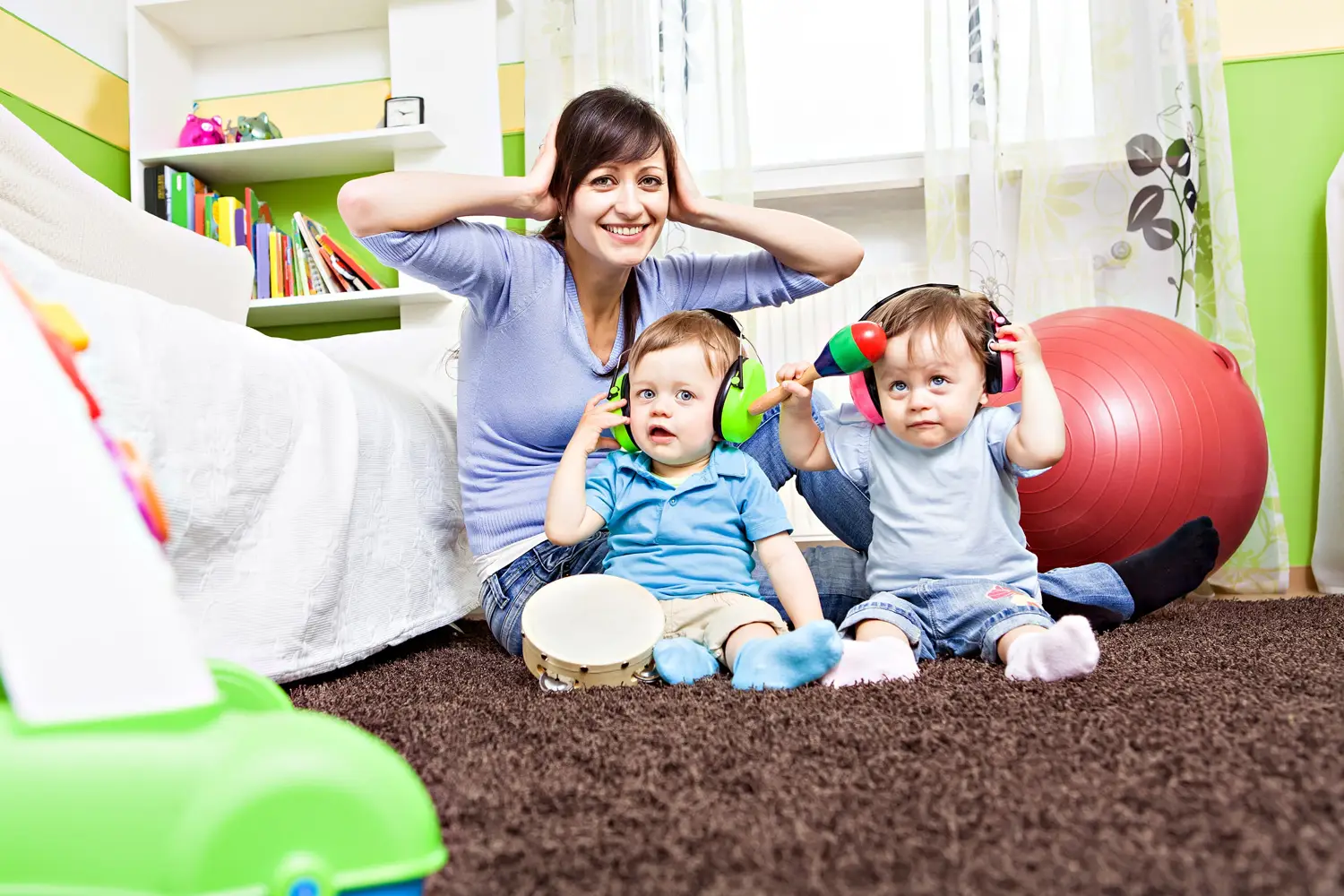
Be careful of Noisy Toys! Noisy toys?
A review of a report in Medical Express. Health Day Dec 1, 2021
We’ve written before about hearing loss in children, including how we’ve seen parents bring infants to loud events like tractor pulls, thoughtfully packing hearing protection because they knew it would be loud. That’s exactly the point: they knew. Far fewer parents think to check the noise level of the toys sitting in their own living room.
Every year, the Sight and Hearing Association tests popular sound-producing toys and publishes a list of the loudest ones, many testing well above 85 decibels (dB), OSHA’s threshold for mandatory hearing protection in workplaces. According to Sarah Sydlowski, president of the American Academy of Audiology, many parents don’t realize a simple toy can cause permanent damage to a child’s hearing, and when that protection doesn’t happen, the resulting hearing loss can be irreversible.
How Toys Actually Get Tested
Kathy Webb, executive director of the Sight & Hearing Association, has explained that their team looks for the most popular sound-producing toys on the market and measures decibel levels the way a child would actually experience them, first at arm’s length (about 10 inches), then right next to the ear (0 inches), which is how kids often hold noisy toys when they’re playing.
You can do a version of this test yourself before buying a toy. Most smartphones can run a free decibel meter app. Hold the phone’s microphone about as close to the toy as your child would hold it to their own ear, and check the reading. Sydlowski’s guidance is straightforward: if a toy reads at or above 85 dB at that close range, don’t buy it. The louder the sound, the faster the damage occurs, and that damage continues to accumulate with repeated exposure.
Why This Matters More Than It Seems
The inner ear’s hair cells don’t regrow once damaged by noise, which means hearing loss from a loud toy is permanent, not something a child grows out of. Hearing loss in children often goes undetected for a long time, and can quietly contribute to behavioral problems, trouble focusing, learning difficulties, and even depression. That’s a lot of risk to take on for a toy.
Check the Annual List, Then Check Yourself
The Sight and Hearing Association publishes an updated noisy toys list every year at sightandhearing.org, listing decibel levels at both distances, along with the manufacturer and recommended age range for each toy. It’s worth checking before a birthday or holiday shopping trip, but since new toys hit shelves constantly, testing a toy yourself with a decibel app before you buy it is the more reliable long-term habit.
Have questions about protecting your child’s hearing? Contact us.



