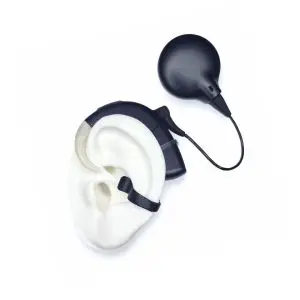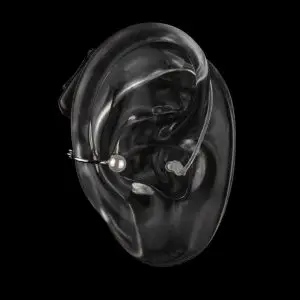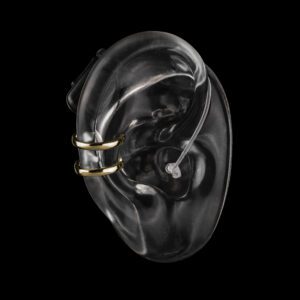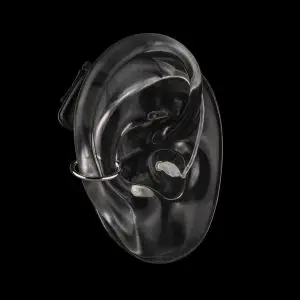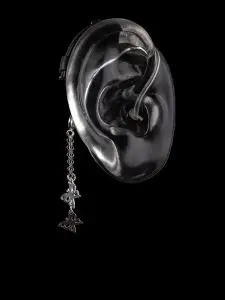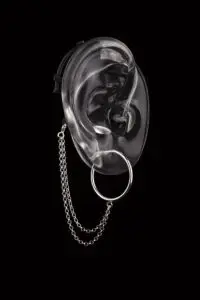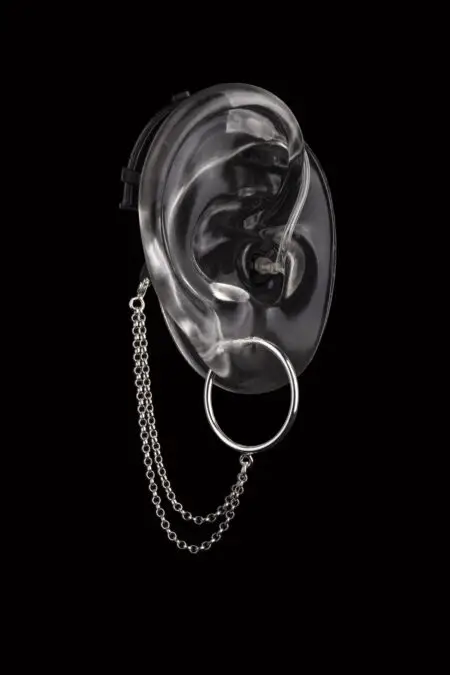
We’ve been talking about the stigma of hearing loss and hearing aids since I first came into this field in 1995. No one wants to wear them unless they have to, so people hide them. Not only are they expensive, but hearing aids also carry a disgrace, the idea that if you need one, you must be old or getting old.
How Do You Make a Hearing Aid Sexy or Fashionable?
Sexy is in the eye of the beholder, but I believe products can enhance your image, style, fashion, even your political standing, without you doing much at all: large stoned rings, sleek designer cars, lingerie, designer clothes. Even masks became a fashion statement, and at times a political one, when we all wore them to protect ourselves from a virus.
This topic came up recently when I met, over video call, with a designer in Europe. Inventors, developers, and entrepreneurs are working on finding a product that fits a style, an image, a fashion, for people who want to hear better. Will it even be called a hearing aid, or something else entirely?
It was a fun conversation. He shared his thoughts on how some people might want a hearing device that isn’t hidden, but instead furthers their style and image.
We all have a style, whether it’s preppy, sporty, grungy, or intellectual. People have preferences for earrings, whether in the ears or the nose. Visible tattoos share an image too, and where you place one says something about who you are. I’ve noticed more tattoos behind people’s ears lately, alongside arms, backs, and shoulders. Even the clothes and shoes you choose reveal something about how you want to be seen. You dress how you feel comfortable.
Glasses are another good example. Do they make you look smart, sexy, colorful, artistic? They frame your face, and I love that you can change your whole look just by changing your frames. Some people try to hide their glasses with clear frames, others switch to contacts. Lots of choices.
What if there were a hearing aid that showed and shared your style along with it? Can inventors and entrepreneurs pull that off, something that looks good and sounds good? I can’t wait to find out. There will be real competition in this space. The OTC hearing aid law has opened the door to more competitive products and more inventors chasing exactly this kind of solution.
Meet Deafmetal: One Entrepreneur Already Doing It
As it turns out, someone already has. Jenni Ahtiainen, a Finnish jewelry designer, got her own hearing aids in 2018 and made a decision that changed her whole career: instead of trying to hide them, she decided to make them hers. Using her background as a jewelry designer, she built a piece that turned her hearing aid into a genuine accessory. She shared a photo online; it went viral, and a jewelry brand called Deafmetal was born almost by accident. It’s since won multiple design and business awards, including recognition as a top new product at one of Europe’s largest craft fairs, a VISA award honoring inspiring female entrepreneurs, and a place in the Victoria and Albert Museum’s Design and Disability exhibition in London. Not bad for something that started as one woman refusing to hide a hearing aid she didn’t ask for.
We carry Deafmetal in our store, because Jenni’s whole approach is exactly what this post is about: hearing aids don’t have to be hidden to be worn with confidence; they can be worn as a genuine style statement instead.
I can’t wait to find out what else this space produces. There will be a lot of competition here. The new over-the-counter law for hearing aids allows for more great competitive products and hence more inventors coming up with fantastic products that meet the needs of another group of people. Will fashion-styled hearing wear find its way to people who want to show their hearing aids in an image-conscious, fashionable way? Why not make it fun and exciting and sound great?
One thing I do worry about: the top hearing aid brands hold so many patents, so much capital, and such deep vertical supply chains, that a new entrepreneur may end up having to partner with one of them just to get to market, which risks making the space even more consolidated rather than less, and that doesn’t help pricing.
Working with these new inventors and sharing their ideas with you, the consumer, may genuinely help move things forward. We’ll keep you posted as new technology becomes available.
Finally, don’t get me wrong: what we professionals know is that it isn’t really about whether the device looks fashionable. What’s actually sexy is what you hear, how you behave, and how well you age. Hearing loss is important to treat, full stop, and everyone has their own preference for how they want to do that. We’re here to help you find yours, bold and stylish or otherwise.
No matter what, the product is still there to help you hear. Whatever helps you get there is what we want for you.
Have questions or want to talk through your options? Reach out.