
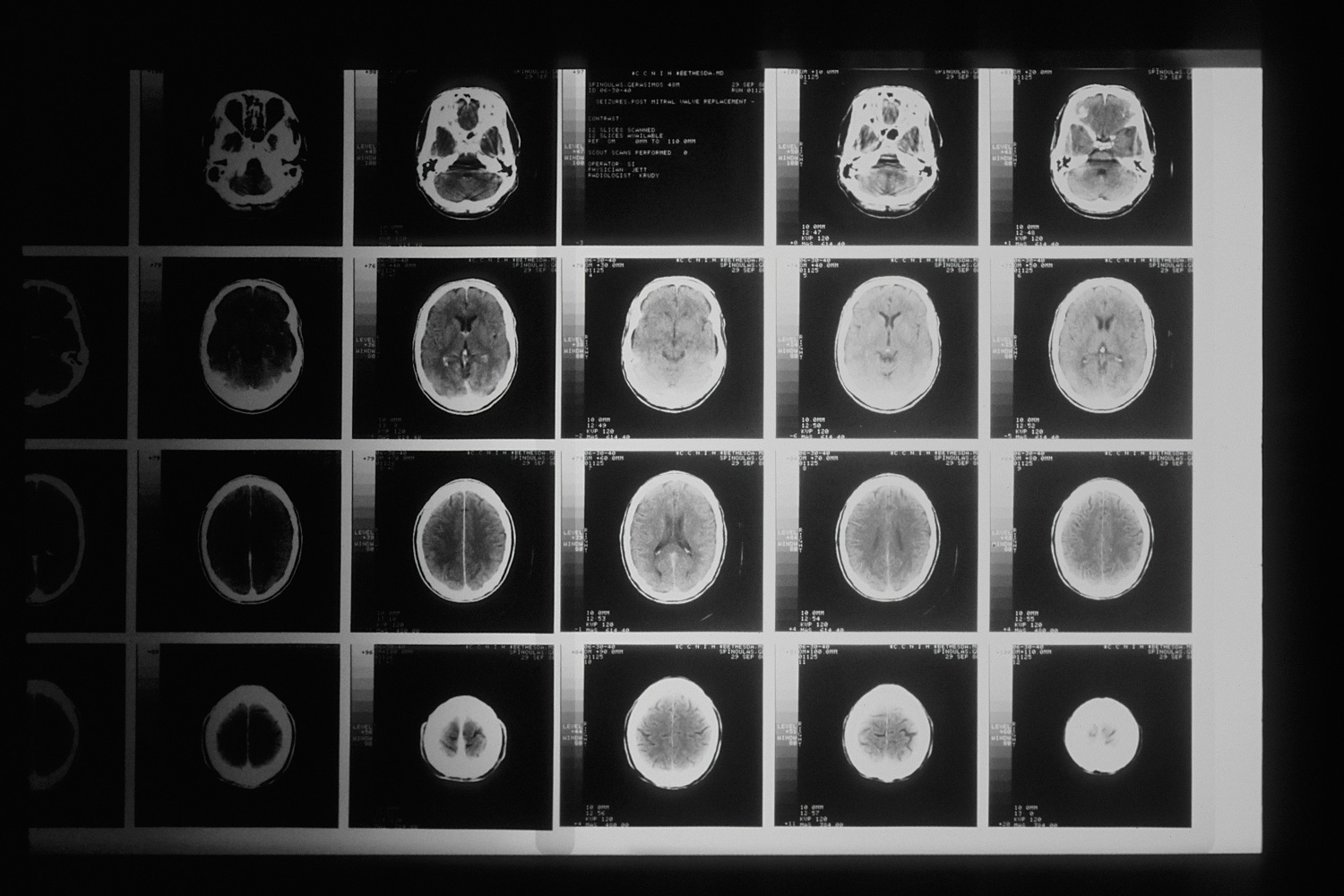
Brain Reorganization: How the Brain Adapts to Vision and Hearing Loss
The brain is not a fixed piece of hardware with permanently assigned jobs. When one sense is lost or diminished, the brain regions that once handled that sense don’t simply go quiet. In many cases, they get reassigned. This is called cross-modal plasticity, or simply brain plasticity, and the research behind it changes how we think about sensory loss, rehabilitation, and even the timing of treatments like cochlear implants and hearing aids. I have been interested in this field since I first entered it in 1995. In this post, I will share some research, although there is so much more evidence than what I share here.
The Deaf Brain: Vision Moves Into Auditory Territory
Some of the most striking findings on brain reorganization come from research on deaf individuals. Neuroscientist Helen Neville and colleagues at the University of Oregon used ERP and fMRI studies to show that in people who are deaf, brain regions normally devoted to processing sound, including areas of the auditory cortex, get recruited to help process vision instead.
Specifically, this research found enhanced processing of peripheral vision and visual motion in deaf individuals, with auditory cortical areas showing measurable activity during these visual tasks, activity that hearing individuals’ brains don’t show in those same regions. In other words, the auditory cortex doesn’t go unused after hearing loss. It gets repurposed to support the sense the brain now relies on most.
Related work from Daphne Bavelier and colleagues has extended this, showing that deaf individuals often develop genuine advantages in visual attention, particularly in the visual periphery, that appear to stem from this same cross-modal reorganization.
There’s a second, related finding worth knowing: research on deaf signers has shown that sign language is processed in the same classic left-hemisphere language regions, including areas like Broca’s and Wernicke’s areas, that process spoken language in hearing individuals. That tells us these language centers aren’t specifically “auditory” or “speech” regions at their core. They’re language regions, and they’ll process language in whatever form the brain receives it, spoken or signed.
The Blind Brain: When Vision Is Lost, Other Senses Move In
The same kind of reorganization happens in reverse. Research from Alvaro Pascual-Leone and colleagues found that in blind individuals, particularly those who read Braille, the visual cortex, the brain region that would normally process sight, becomes active during tactile Braille reading. The brain is using its “visual” hardware to process touch.
Amir Amedi and other researchers have extended this further, showing that in blind individuals, the visual cortex can also become engaged during auditory tasks, including sound localization and certain aspects of speech processing. As with the deaf brain, the pattern is the same: a sensory region doesn’t sit idle after its original input disappears. It gets pulled into service for whatever sense the brain leans on most heavily.
Why This Matters for Hearing Care
This research isn’t just academically interesting. It has real implications for treatment timing. If the auditory cortex gets reassigned to visual processing after a period of deafness, that has a direct bearing on outcomes for treatments like cochlear implants, which is part of why early intervention is emphasized so strongly for children with significant hearing loss. The longer the auditory cortex goes without its original input, the more it may already be doing other work.
It’s also a hopeful finding. A brain that reorganizes itself so readily is a brain built for adaptation, and that adaptability is part of what makes rehabilitation, whether it’s adjusting to hearing aids or acclimating to a cochlear implant, possible at any age.
For more on how hearing loss affects the brain more broadly, see our post on brain health and hearing aids.
Curious about the connection between hearing loss and dementia risk? See Hearing Loss, Dementia & Aural Rehab: The Research.
Here is some information on how to get started with hearing health
Curious if you have the signs of hearing loss read this post.
Have questions about hearing loss and treatment timing? Contact us.
SOURCES
Neville, H.J. and colleagues, University of Oregon, ERP and fMRI research on cross-modal plasticity and enhanced peripheral visual attention in deaf individuals. Bavelier, D., and colleagues, research on visual attention advantages in deaf individuals. Research on sign language processing in classic left-hemisphere language regions (Broca’s and Wernicke’s areas). Pascual-Leone, A., and colleagues, research on visual cortex activation during Braille reading in blind individuals. Amedi, A., and colleagues, research on visual cortex engagement during auditory tasks in blind individuals.



