Trends in Hearing Nov 8, 2021
Written by Jack A Holman, Avril Drummond and Graham Norton
We’ve noticed, and the research backs this up, that many people with hearing loss report fatigue. The question worth asking is whether using hearing aids actually reduces that fatigue. That’s the exact question a study by Holman and colleagues set out to answer, and it’s why we wanted to share it.
The article itself is lengthy and quite scientific, so here’s our summary.
Why Fatigue Matters
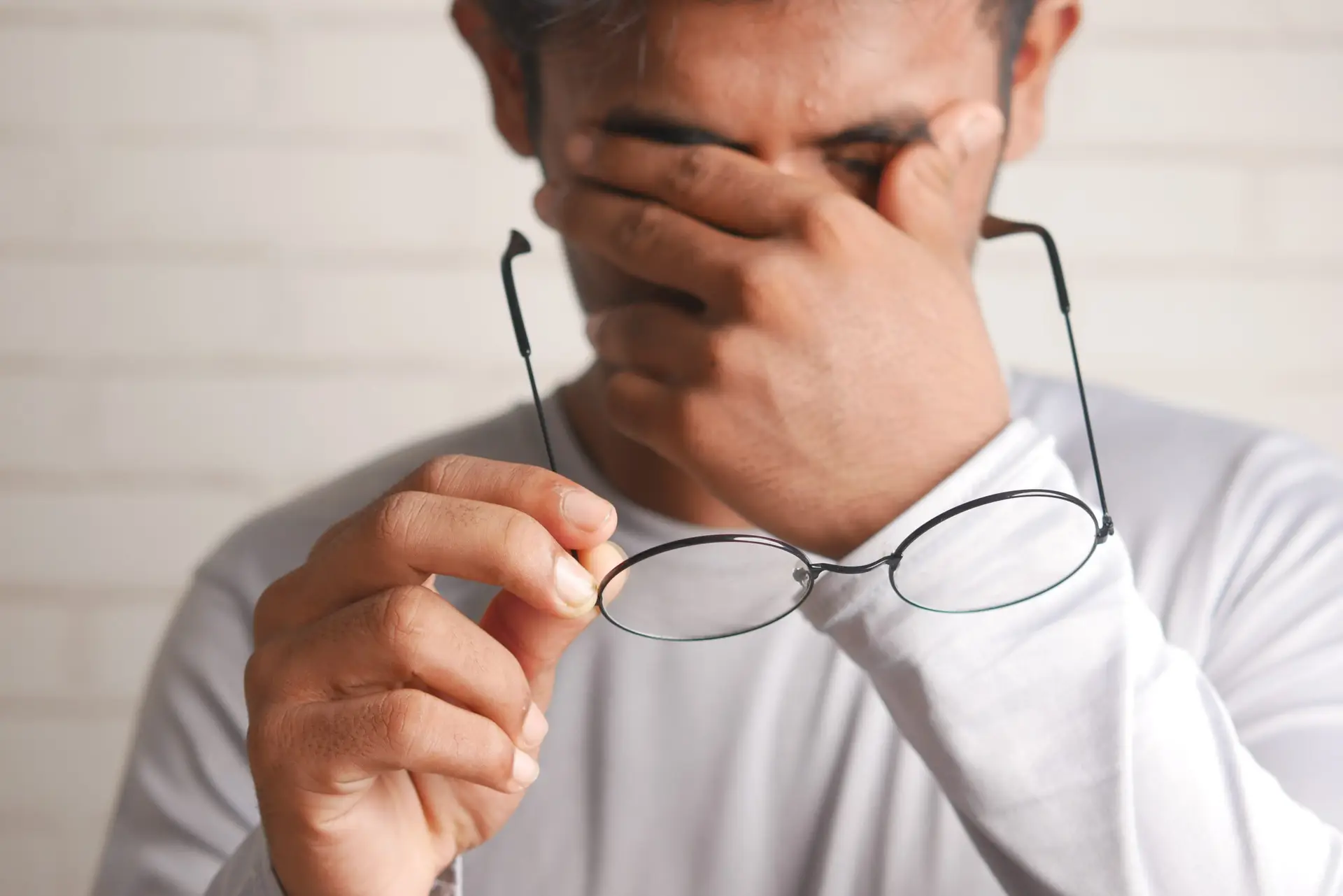
If you live with hearing loss, you already know it affects more than just your ability to hear. One symptom that’s drawn more attention recently is fatigue. Fatigue on its own is unpleasant, but it also spills over into other areas of health, including activity levels and quality of life. Listening effort appears to be the main driver of fatigue for people with hearing loss, and for some, fatigue is also tied to the negative emotions that come with having a hearing loss in the first place.
Does Wearing Hearing Aids Help?
Logically, fitting someone with a hearing device that reduces the effort needed to hear should also reduce fatigue. The research, though, has shown mixed results, which is where the deeper review comes in.
Most studies to date have relied on self-reporting questionnaires, which tend to capture long-term fatigue rather than fatigue caused specifically by hearing loss. It’s possible these questionnaires simply aren’t sensitive enough to detect a real benefit from hearing devices even when one exists.
Listening-related fatigue affects people differently and gets managed differently from person to person. It’s usually tied to participating in conversation, so people who are more conversationally active may experience more of it. There’s also evidence that increased hearing aid use leads to increased social activity, which means the effect of hearing aid fitting on fatigue may be tangled up with changes in daily activity levels overall.
Studies like this have to account for a number of confounding variables: gender, age, lifestyle, and physical activity levels, among others, all complicate a straightforward answer.
What This Particular Study Set Out to Answer
- Does a person’s first-ever hearing aid fitting have an impact on fatigue?
- What variables might influence that impact?
- Do social or physical activity levels change after a first fitting, and is that related to fatigue?
If you’d like more detail on the study’s methods, design, or measurement approach, let us know. We have a copy of the full paper.
What They Found
Hearing aid fitting had no measurable effect on general fatigue, but there was a genuine improvement in hearing-related fatigue between before fitting and six months after the first fitting. The only pre-fitting variable associated with a change in fatigue was hearing handicap, meaning how much a person’s hearing loss affected their daily life going in. Most participants had mild-to-moderate hearing loss, which is typical for people being fit for a first hearing aid, so it’s possible that someone with more severe hearing loss could see an even more dramatic reduction in listening-related fatigue. The study also found an increase in social participation after fitting, with no measurable impact on work or physical activity levels.
The Bottom Line
Hearing health matters. Proper hearing affects far more of life than just conversation, physically, mentally, and in how you experience your overall quality of life.
Curious how hearing loss connects to broader brain health and cognitive research? See Hearing Loss, Dementia & Aural Rehab: The Research.
SOURCE
Holman, J.A., Drummond, A., and Norton, G. Trends in Hearing, November 2021